Technical Contents
Engineering Guide: Aluminum Tensile Strength Vs Steel

Engineering Insight: Aluminum Tensile Strength vs Steel in High-Precision Manufacturing
In the realm of custom metal manufacturing, material selection is not merely a matter of cost or availability—it is a foundational engineering decision that directly impacts performance, longevity, and safety. Among the most critical comparisons in structural design is aluminum tensile strength versus steel. While both materials are widely used across aerospace, defense, and high-performance industrial applications, their mechanical properties, weight characteristics, and response to load demand careful evaluation.
Steel, particularly alloy and tool grades, offers high tensile strength, often ranging from 400 MPa to over 2,000 MPa in quenched and tempered variants. This makes it ideal for applications requiring extreme durability under sustained or impact loading. However, steel’s density—approximately 7.85 g/cm³—imposes significant weight penalties in mobile or dynamic systems. In contrast, aluminum alloys typically exhibit lower tensile strength, generally between 110 MPa and 570 MPa, but with a density of just 2.7 g/cm³. This results in a far superior strength-to-weight ratio, a decisive factor in industries such as aerospace and automotive engineering.
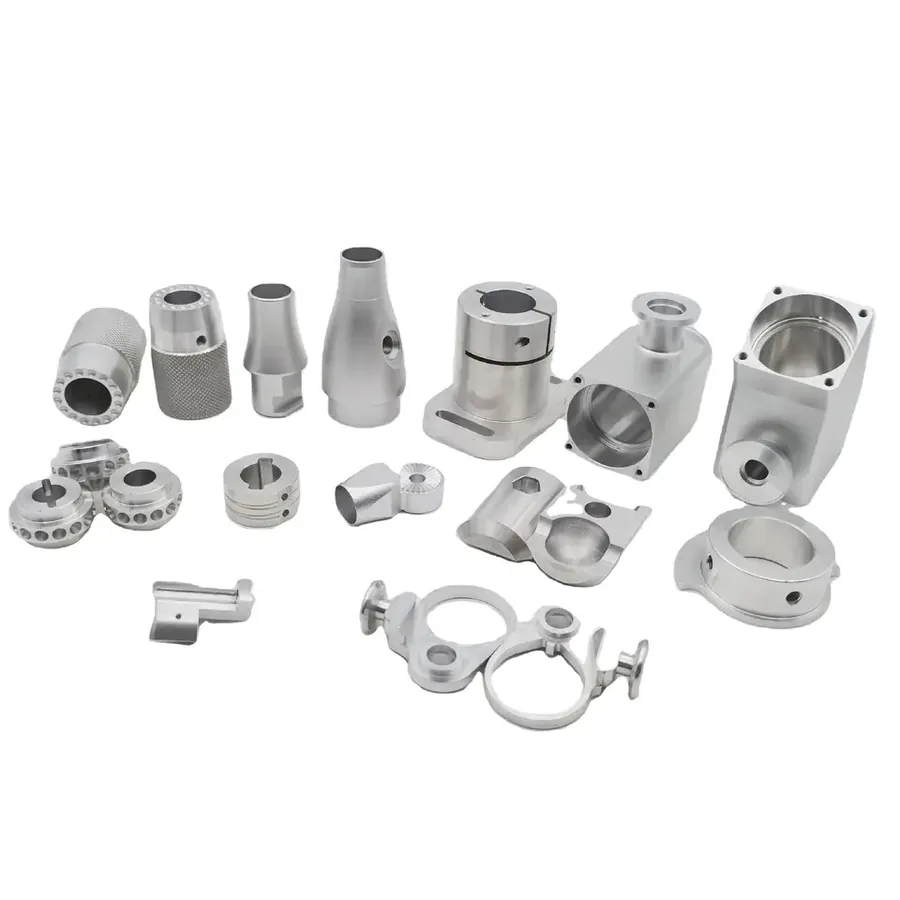
The choice between aluminum and steel is further complicated by precision requirements. Aluminum’s lower modulus of elasticity makes it more prone to deformation under load, necessitating tighter tolerances and advanced machining techniques to maintain dimensional stability. Steel, while stiffer, presents challenges in machinability and tool wear, especially in complex geometries. At Wuxi Lead Precision Machinery, our decades of experience in high-tolerance CNC machining ensure optimal performance regardless of material. Our work on mission-critical components for Olympic-grade equipment and military defense systems underscores our capability to deliver micron-level accuracy under the most demanding specifications.
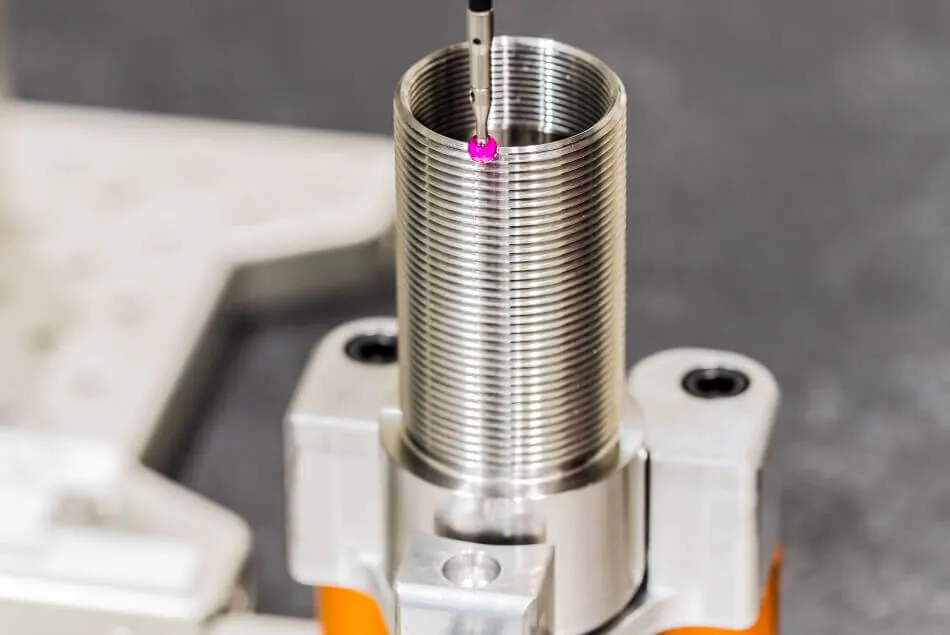
Precision is not an add-on—it is integrated into every stage of the manufacturing process. From initial material selection and stress analysis to final inspection using coordinate measuring machines (CMM), the interplay between material properties and machining accuracy determines the success of the final product. Whether producing lightweight aluminum structural frames for unmanned aerial vehicles or high-strength steel housings for armored vehicles, Lead Precision applies rigorous quality control and process validation to ensure compliance with international standards.
Below is a comparative overview of common aluminum and steel alloys used in precision manufacturing.
| Material | Tensile Strength (MPa) | Density (g/cm³) | Typical Applications |
|---|---|---|---|
| 6061-T6 Aluminum | 310 | 2.7 | Aerospace frames, marine components |
| 7075-T6 Aluminum | 570 | 2.8 | Military aircraft, high-performance fixtures |
| AISI 4140 Steel | 850–1,000 | 7.85 | Shafts, tooling, defense hardware |
| AISI 4340 Steel | 1,000–1,250 | 7.85 | Landing gear, military vehicles |
| Tool Steel (H13) | 1,500–2,000 | 7.80 | Dies, molds, high-impact tooling |
At Wuxi Lead Precision Machinery, we understand that the aluminum vs. steel decision is not binary. It is a strategic balance of strength, weight, manufacturability, and precision. Our engineering team collaborates closely with clients to select the optimal material and process, ensuring every component meets the highest standards of performance and reliability.
Precision Specs & Tolerances

Material Performance and Precision Machining Capabilities
Understanding the relationship between aluminum tensile strength and steel is critical for engineering optimal components in aerospace, medical, and automotive applications. Aluminum alloys, such as 6061-T6 and 7075-T6, offer tensile strengths ranging from 310 MPa to 572 MPa, providing an exceptional strength-to-weight ratio essential for weight-sensitive designs. In contrast, carbon and stainless steels (e.g., 4140, 304) deliver higher tensile strengths (415 MPa to 1,240 MPa), making them ideal for high-load structural applications where weight is secondary to durability. At Wuxi Lead Precision Machinery, we leverage this material science expertise to guide clients toward the optimal alloy selection, ensuring performance aligns with functional requirements without over-engineering.
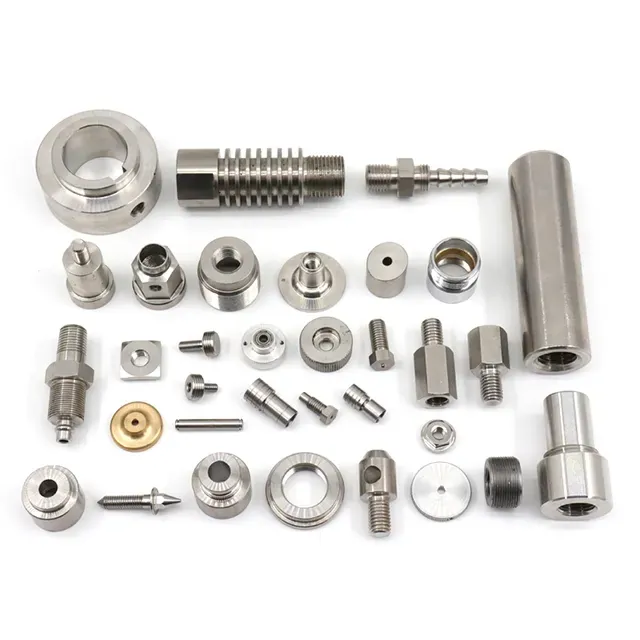
Our technical execution centers on advanced 5-axis CNC machining systems, capable of producing complex geometries in both aluminum and steel with micron-level repeatability. These multi-axis platforms eliminate secondary setups, reducing cumulative error and enhancing feature-to-feature accuracy across intricate contours. For aluminum, our high-speed spindles (up to 24,000 RPM) prevent heat buildup and material deformation, while rigid steel machining protocols utilize specialized tooling to manage higher cutting forces and thermal expansion. Every component undergoes rigorous first-article inspection via Zeiss CMM systems, validating dimensional compliance against GD&T callouts per ASME Y14.5 standards. This integrated approach ensures that material properties are fully leveraged without compromising geometric integrity.
Tolerance performance is non-negotiable in high-stakes manufacturing. The table below outlines our standard machining capabilities for aluminum and steel alloys, reflecting achievable results under controlled production conditions.
| Material Category | Typical Tensile Range (MPa) | Linear Tolerance (mm) | Geometric Tolerance (mm) | Surface Finish (Ra µm) |
|---|---|---|---|---|
| Aluminum Alloys | 310–572 | ±0.010 | ±0.015 | 0.8–1.6 |
| Carbon Steel | 415–850 | ±0.008 | ±0.012 | 0.4–0.8 |
| Stainless Steel | 515–1,240 | ±0.008 | ±0.010 | 0.4–0.8 |
These specifications represent baseline capabilities; tighter tolerances are achievable through process refinement for mission-critical applications. Our CMM inspection protocols extend beyond dimensional verification to include material certification traceability, microhardness testing, and surface roughness mapping. This end-to-end quality control framework ensures that every component not only meets print specifications but also performs reliably under operational stress.
Wuxi Lead Precision Machinery bridges material science and precision engineering. By combining deep metallurgical knowledge with 5-axis CNC mastery and uncompromising QC, we transform material advantages into real-world performance. Contact our engineering team to discuss how our capabilities align with your next aluminum or steel component challenge.
Material & Finish Options
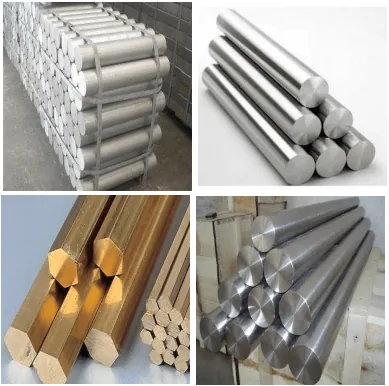
Material Selection Guide: Aluminum, Steel, and Titanium for High-Performance Manufacturing
When selecting materials for precision-engineered components, understanding the mechanical properties and application requirements is critical. At Wuxi Lead Precision Machinery, we specialize in custom metal manufacturing for industries where performance, weight, and durability are paramount. Among the most commonly specified materials are aluminum, steel, and titanium—each offering distinct advantages depending on the operational environment.
Aluminum is widely favored for applications requiring a high strength-to-weight ratio. While its tensile strength is lower than that of steel, aluminum alloys such as 6061-T6 and 7075-T6 offer excellent performance in aerospace, automotive, and consumer electronics. The reduced density of aluminum—approximately one-third that of steel—makes it ideal for components where weight savings directly impact efficiency. Additionally, aluminum exhibits strong corrosion resistance and is highly machinable, allowing for complex geometries with tight tolerances.
Steel, particularly alloy and tool steels, provides superior tensile strength and hardness. Grades such as 4140 and 1045 are commonly used in structural and load-bearing applications where mechanical integrity under stress is essential. Steel’s higher density makes it heavier than aluminum, but its durability, wear resistance, and ability to withstand high-temperature environments make it the preferred choice for industrial machinery, tooling, and heavy-duty components.
Titanium, though more expensive, delivers an exceptional balance of strength, low density, and corrosion resistance. With a tensile strength comparable to many steels but nearly 45% lighter, titanium is frequently selected for aerospace, medical implants, and marine applications. Its biocompatibility and resistance to saltwater corrosion further expand its utility in demanding environments.
Surface finish selection also plays a key role in performance. Anodizing, particularly for aluminum, enhances surface hardness, improves wear resistance, and provides excellent adhesion for paint primers. Type II and Type III (hard coat) anodizing are commonly applied based on the required thickness and functional needs.
Below is a comparative overview of key mechanical properties for common grades:
| Material | Typical Grade | Tensile Strength (MPa) | Density (g/cm³) | Common Applications |
|---|---|---|---|---|
| Aluminum | 6061-T6 | 310 | 2.7 | Aerospace, electronics, enclosures |
| Aluminum | 7075-T6 | 572 | 2.8 | High-stress aerospace components |
| Steel | 4140 | 655 | 7.85 | Shafts, tooling, structural parts |
| Steel | 1045 | 570 | 7.85 | Machinery parts, bolts, gears |
| Titanium | Ti-6Al-4V | 900 | 4.43 | Aircraft, medical devices, marine |
At Wuxi Lead Precision Machinery, we support clients in selecting the optimal material and finish based on functional requirements, environmental exposure, and cost targets. Our precision CNC machining capabilities ensure that each component meets exacting standards, regardless of material choice.
Manufacturing Process & QC

Precision Manufacturing Process: Material Selection to Zero-Defect Production
At Wuxi Lead Precision Machinery, our production process for aluminum and steel components begins with rigorous design engineering centered on material science. We analyze tensile strength requirements against application-specific loads, environmental factors, and lifecycle demands. Aluminum alloys like 6061-T6 offer favorable strength-to-weight ratios (UTS: 310 MPa) for aerospace or mobility applications where weight reduction is critical, while structural steels like A36 (UTS: 400–550 MPa) provide superior yield strength for heavy-load industrial frameworks. Finite Element Analysis (FEA) validates stress distribution, ensuring material selection directly aligns with functional tolerances and safety margins. This phase eliminates 90% of potential failure modes before physical prototyping begins.
Prototyping transforms validated designs into tangible test articles using our 5-axis CNC milling and turning centers. Material behavior during machining is meticulously monitored—aluminum’s lower modulus of elasticity demands precise toolpath strategies to prevent chatter-induced dimensional drift, while steel’s higher hardness necessitates optimized cutting parameters to avoid tool wear-induced surface defects. Each prototype undergoes destructive testing per ASTM E8 standards, cross-referencing measured tensile properties against design simulations. Critical dimensions are verified via CMM inspection, with deviations triggering immediate design iteration. This closed-loop validation ensures the prototype meets all mechanical and geometric specifications before mass production release.
Mass production leverages our zero-defect manufacturing system, integrating real-time process control with statistical process control (SPC). For aluminum components, in-process force monitoring compensates for material springback during bending operations, while steel parts utilize adaptive feed-rate control to maintain surface integrity during high-torque machining. Every 15 minutes, automated vision systems inspect critical features against GD&T callouts, with data fed into our centralized quality dashboard. Non-conformances trigger automatic machine halts and root-cause analysis via Pareto charts. This disciplined approach—combined with operator certification and ISO 9001:2015-compliant documentation—ensures batch-to-batch consistency and eliminates escape defects.
The following table summarizes key tensile properties guiding our material selection process
| Material | Yield Strength (MPa) | Ultimate Tensile Strength (MPa) | Elongation at Break (%) | Density (g/cm³) |
|---|---|---|---|---|
| Aluminum 6061-T6 | 276 | 310 | 12 | 2.70 |
| Structural Steel A36 | 250 | 400–550 | 20 | 7.85 |
Wuxi Lead’s end-to-end process transforms material science into flawless deliverables. By anchoring every phase—from design FEA to SPC-controlled production—in empirical tensile data and zero-defect protocols, we guarantee components that perform reliably under operational stress. Partner with us to convert your strength requirements into precision-engineered reality.
Why Choose Wuxi Lead Precision
When evaluating aluminum tensile strength versus steel for your next precision manufacturing project, the decision extends beyond raw material properties. It involves understanding application-specific requirements such as weight-to-strength ratio, corrosion resistance, thermal conductivity, and long-term durability under operational stress. At Wuxi Lead Precision Machinery, we specialize in custom metal manufacturing solutions that leverage the optimal balance between performance and cost-efficiency, whether your design calls for high-strength steel alloys or lightweight aluminum variants.
Our engineering team works closely with global clients across aerospace, automotive, industrial automation, and renewable energy sectors to translate material science into real-world performance. We recognize that while steel typically offers higher absolute tensile strength, aluminum provides compelling advantages in applications where weight reduction, fuel efficiency, and resistance to oxidation are critical. Our precision CNC machining, forming, and fabrication capabilities ensure that each component meets exacting tolerances and performance benchmarks—regardless of the base material.
Below is a comparative overview of common aluminum and steel alloys used in industrial applications:
| Material | Tensile Strength (MPa) | Yield Strength (MPa) | Density (g/cm³) | Typical Applications |
|---|---|---|---|---|
| 6061-T6 Aluminum | 310 | 276 | 2.7 | Aerospace frames, structural components |
| 7075-T6 Aluminum | 572 | 503 | 2.8 | High-performance aircraft, defense systems |
| AISI 4140 Steel | 655 | 415 | 7.85 | Shafts, tooling, heavy machinery |
| AISI 4340 Steel | 745–1250 | 470–1100 | 7.85 | Aerospace landing gear, military hardware |
| Stainless Steel 304 | 505–760 | 240–520 | 8.0 | Food processing, chemical environments |
These values guide initial selection, but real-world performance depends on design geometry, heat treatment, and manufacturing consistency. At Wuxi Lead, we go beyond standard specifications by integrating material testing, finite element analysis (FEA), and in-process quality control to ensure every part performs as intended.
Partnering with Wuxi Lead Precision Machinery means gaining access to a vertically integrated manufacturing ecosystem supported by over 15 years of industry expertise. Our ISO 9001 and IATF 16949 certifications reflect our commitment to quality, repeatability, and continuous improvement. From prototype development to high-volume production, we deliver precision-engineered components with reduced lead times and full traceability.
For your next project requiring informed decisions between aluminum and steel, contact us today. Our engineering team is ready to assist with material selection, design optimization, and custom manufacturing strategies tailored to your performance and budgetary goals.
Email us at [email protected] to initiate a technical consultation. Let Wuxi Lead Precision Machinery be your trusted partner in advanced metal fabrication—where precision meets performance.
⚙️ Precision Cost Estimator
Estimate relative manufacturing effort based on tolerance.