S S Fabrication Manufacturer | Precision CNC Guide

Engineering Guide: S S Fabrication

s s fabrication manufacturing

Engineering Insight: Precision in Stainless Steel Fabrication

In the realm of industrial manufacturing, stainless steel fabrication stands as a cornerstone of durability, hygiene, and structural integrity. However, the true value of stainless steel components is not derived solely from the material itself, but from the precision with which it is engineered and assembled. At Wuxi Lead Precision Machinery, we recognize that even the highest-grade stainless steel can underperform if fabrication tolerances are inconsistent or processes lack repeatability. Precision is not a final check—it is embedded in every stage of design, cutting, forming, welding, and finishing.

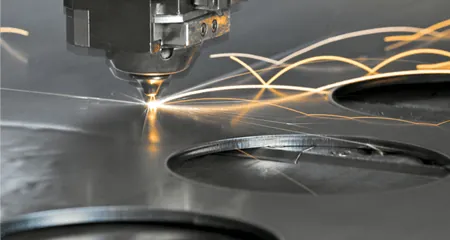
Stainless steel, particularly grades such as 304 and 316, presents unique challenges due to its work-hardening characteristics, thermal expansion behavior, and stringent surface finish requirements. These properties demand advanced CNC-controlled equipment and highly skilled technicians who understand the metallurgical nuances of the material. At Lead Precision, our fabrication processes are built around state-of-the-art fiber laser cutting systems, automated bending cells, and orbital TIG welding setups—each calibrated to maintain tolerances within ±0.1 mm. This level of accuracy ensures seamless integration in high-stakes applications, from pharmaceutical processing lines to aerospace subsystems.

Our commitment to precision is not theoretical. Over the past 15 years, Wuxi Lead has delivered mission-critical stainless components for projects requiring the highest standards of quality and reliability. This includes structural and enclosure systems for military-grade communication units and precision-fabricated support frameworks used in Olympic-standard aquatic facilities. In both cases, dimensional accuracy, corrosion resistance, and long-term performance under extreme conditions were non-negotiable. Our ability to meet and exceed these expectations stems from rigorous process validation, real-time in-process inspection, and full traceability of materials and weld procedures.

Beyond equipment and certifications, precision fabrication requires a culture of engineering excellence. At Lead Precision, every technician undergoes continuous training in GD&T (Geometric Dimensioning and Tolerancing), weld certification standards (ASME IX, ISO 15614), and cleanroom-compatible assembly practices. This ensures that every stainless steel component we produce is not only dimensionally accurate but also functionally reliable across its operational lifecycle.

The table below outlines key capabilities that define our precision stainless steel fabrication services.

Specification Detail
Material Grades SS304, SS316/L, SS430, Duplex 2205
Thickness Range 0.5 mm – 25 mm
Cutting Tolerance ±0.1 mm
Bending Tolerance ±0.2°, ±0.5 mm
Welding Processes TIG, MIG, Plasma, Orbital Welding
Surface Finishes 2B, BA, No.4, No.8, Electropolished
Certifications ISO 9001, ISO 14001, ASME, CE, RoHS
Quality Control CMM, Laser Scanning, Dye Penetrant, X-Ray (on request)

Precision in stainless steel fabrication is not a luxury—it is a requirement for performance, safety, and compliance. At Wuxi Lead Precision Machinery, we engineer every component with the understanding that in high-end manufacturing, the smallest deviation can have the largest consequence.


Precision Specs & Tolerances

s s fabrication manufacturing

Advanced Technical Capabilities in Precision Sheet Metal Fabrication

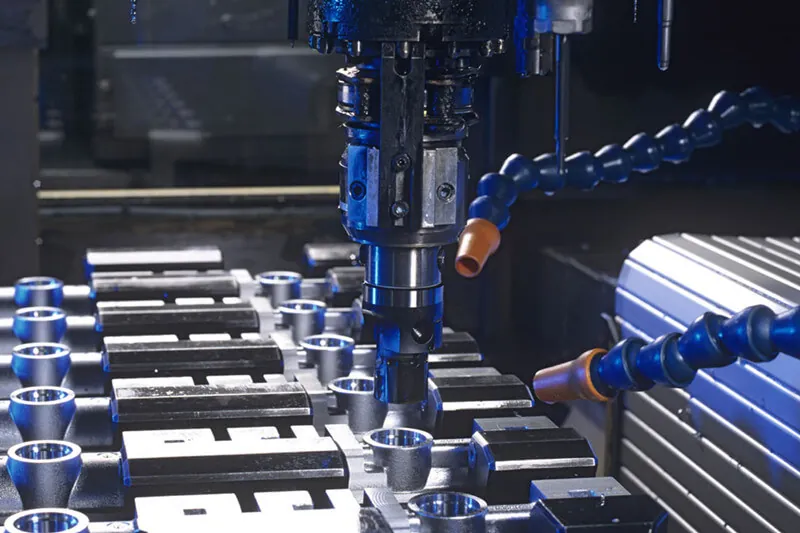
Wuxi Lead Precision Machinery delivers uncompromising precision for complex sheet metal components through integrated advanced manufacturing and metrology systems. Our core strength lies in the strategic deployment of multi-axis CNC technology, specifically our state-of-the-art 5-axis fiber laser cutting and CNC bending centers. This capability is fundamental for producing intricate geometries, tight-tolerance brackets, enclosures, and structural elements common in aerospace, medical device, and semiconductor equipment manufacturing. The 5-axis platform eliminates the need for multiple setups and secondary operations, significantly reducing cumulative error potential while accelerating throughput. Complex contours, compound angles, and features requiring access from multiple vectors are executed in a single, highly controlled operation, ensuring dimensional integrity and superior part consistency critical for high-value assemblies.

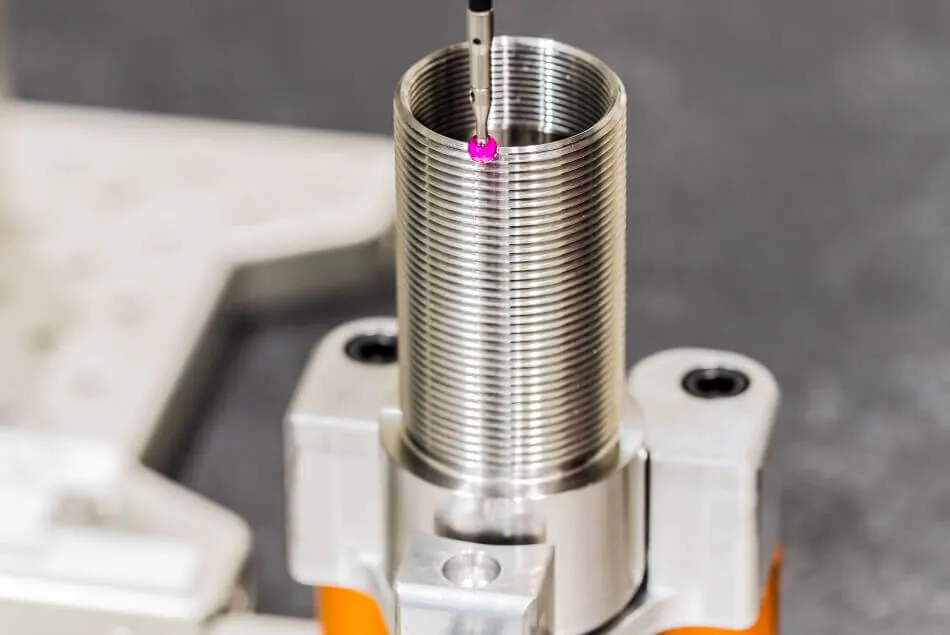
Rigorous quality assurance is non-negotiable in our process. Every critical component undergoes comprehensive validation using Zeiss CONTURA G2 Coordinate Measuring Machines (CMM). These high-precision metrology systems provide traceable, NIST-calibrated measurements of geometric dimensioning and tolerancing (GD&T), surface profiles, and critical feature relationships down to micron-level accuracy. Our certified metrology technicians employ advanced probing strategies and PC-DMIS software to generate detailed inspection reports, offering full transparency and verification against client engineering specifications. This systematic CMM-based inspection protocol is embedded within our ISO 9001:2015 certified quality management system, providing an objective data trail that mitigates risk and ensures absolute compliance for mission-critical applications.

Our commitment to precision is quantifiable through defined tolerance standards achievable across common fabrication processes. The following table outlines typical capability ranges for key operations, reflecting our standard production performance under controlled conditions. These values represent achievable results for qualified materials within specified thickness ranges; specific project requirements are always validated during the engineering review phase.

Process Material Thickness Range Standard Tolerance Precision Tolerance Notes
5-Axis Laser Cutting 0.5 mm – 25.4 mm ±0.10 mm ±0.05 mm Carbon Steel, Stainless Steel, Aluminum
CNC Precision Bending 0.8 mm – 6.0 mm ±0.15° ±0.05° Angular tolerance per bend
0.8 mm – 6.0 mm ±0.10 mm ±0.05 mm Linear dimension tolerance
CMM Inspection Accuracy N/A N/A ±(2.5 + L/300) µm Zeiss CONTURA G2 certified performance

This fusion of 5-axis fabrication agility and CMM-validated quality control forms the bedrock of Wuxi Lead’s value proposition. We transform demanding sheet metal designs into reality with the repeatability and documentation required by Tier 1 suppliers and innovators in advanced industries. Partner with us for fabrication where tolerance specifications are not targets, but guaranteed outcomes. Contact our engineering team to discuss your specific geometric and quality requirements for immediate feasibility assessment.


Material & Finish Options

s s fabrication manufacturing

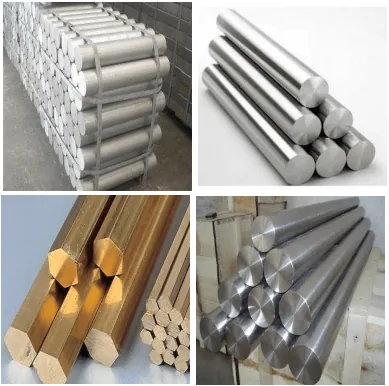
Material selection is a critical phase in precision sheet metal fabrication, directly influencing the performance, durability, and cost-efficiency of the final component. At Wuxi Lead Precision Machinery, we guide our clients through informed decisions based on application requirements, environmental exposure, mechanical properties, and finishing needs. Among the most widely used materials in high-end fabrication are aluminum, steel, and titanium, each offering distinct advantages.

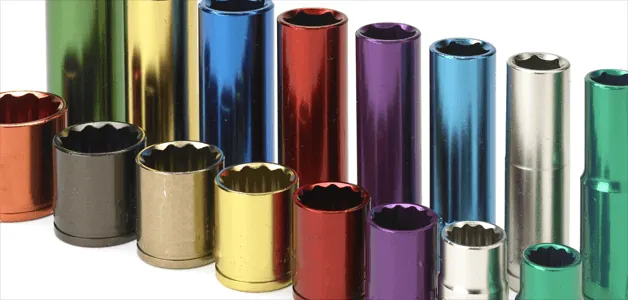
Aluminum stands out for its excellent strength-to-weight ratio, corrosion resistance, and machinability. It is ideal for aerospace, electronics, and transportation applications where weight reduction is paramount. Grade 6061-T6 is commonly selected for its weldability and moderate strength, while 7075-T6 offers higher strength for structural components. Aluminum’s natural oxide layer provides inherent corrosion protection, but for enhanced surface durability and aesthetic control, anodizing is frequently applied. Anodizing increases surface hardness, improves wear resistance, and allows for color coding through dye integration, making it a preferred finish in both functional and visible parts.

Steel remains the backbone of industrial fabrication due to its high tensile strength, affordability, and versatility. Mild steel (A36 or Q235) is suitable for enclosures, frames, and general-purpose parts. For environments requiring superior durability, stainless steel grades such as 304 and 316 are employed. These offer excellent resistance to oxidation and chemical corrosion, with 316 providing enhanced performance in chloride-rich environments. Stainless steel components are often left in their natural state for a clean, professional appearance, though passivation or electropolishing may be used for critical medical or semiconductor applications.

Titanium, while more costly, delivers unmatched performance in extreme conditions. Its exceptional strength-to-density ratio, resistance to high temperatures, and immunity to saltwater corrosion make it indispensable in aerospace, marine, and medical implant manufacturing. Grade 2 (commercially pure) titanium is formable and weldable, suited for moderate-stress environments, whereas Grade 5 (Ti-6Al-4V) is used in high-performance structural applications. Due to its reactivity at elevated temperatures, titanium requires specialized handling during cutting and welding, a capability Wuxi Lead Precision Machinery maintains through controlled atmosphere processing.

Surface finishing, particularly anodizing, plays a pivotal role in enhancing functional longevity. Anodizing creates a controlled oxide layer that improves wear resistance, electrical insulation, and adhesion for secondary coatings. Type II (sulfuric acid) anodizing is standard for decorative and protective finishes, while Type III (hardcoat anodizing) provides thick, durable layers for high-wear components.

Below is a comparative overview of key material specifications.

Material Typical Grades Tensile Strength (MPa) Density (g/cm³) Key Applications Common Finishes
Aluminum 6061-T6, 7075-T6 310 – 570 2.7 Aerospace, Electronics Anodizing, Powder Coating
Steel Q235, 304, 316 400 – 900 7.8 Industrial Frames, Enclosures Passivation, Painting
Titanium Gr 2, Gr 5 345 – 1000 4.5 Medical, Aerospace, Marine Bare, Anodized (specialized)

Selecting the optimal material and finish requires a balance of engineering requirements and production capabilities. Wuxi Lead Precision Machinery supports clients in this decision with material testing, prototyping, and full-scale fabrication under ISO-certified quality standards.


Manufacturing Process & QC

s s fabrication manufacturing

Wuxi Lead Precision Machinery: Sheet Metal Fabrication Production Process – Engineered for Zero Defects

At Wuxi Lead Precision Machinery, our sheet metal fabrication process is meticulously structured to achieve the uncompromising standard of Zero Defects demanded by high-end industries like aerospace, medical device manufacturing, and advanced electronics. This is not merely a goal; it is an engineered outcome embedded within our three-phase workflow: Design Validation, Precision Prototyping, and Controlled Mass Production. Each stage incorporates rigorous quality gates and advanced metrology to eliminate errors before they propagate, ensuring final components meet exacting specifications without rework or scrap.

The foundation is Design Validation. Our engineering team collaborates closely with client CAD models, conducting comprehensive Design for Manufacturability (DFM) analysis. This critical step identifies potential fabrication conflicts early, such as inadequate bend radii, problematic hole placements near bends, or material suitability issues. We verify tooling feasibility, optimize nesting for material yield, and confirm all geometric tolerances align with ISO 2768 medium or tighter standards. Only designs passing this stringent virtual validation proceed, preventing fundamental errors from entering physical production.

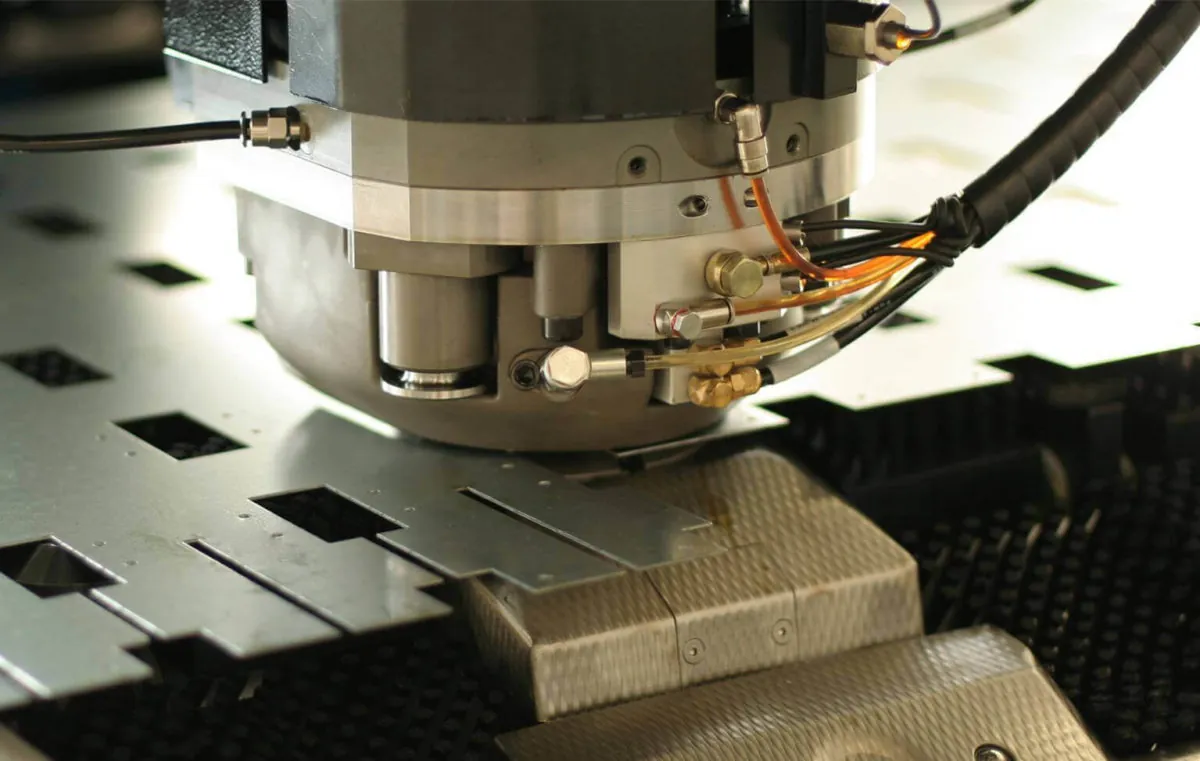
Precision Prototyping transforms validated designs into tangible reality for exhaustive verification. Using the same production-grade CNC punch presses, laser cutters, and press brakes intended for volume runs, we fabricate initial prototypes. These parts undergo metrology-grade inspection using Coordinate Measuring Machines (CMM), laser scanners, and optical comparators. Every critical dimension, hole location, bend angle, and surface finish is measured against the original CAD data. This phase validates the entire process chain – from flat pattern accuracy to formed geometry – confirming that the manufacturing method reliably produces the intended part. Client sign-off on these validated prototypes is mandatory before scaling to mass production.

Mass Production executes with embedded, real-time quality control systems ensuring Zero Defects. Production lines operate under strict Statistical Process Control (SPC), with automated in-process checks at key stations. Operators utilize calibrated gauges for first-article and periodic inspections, while critical features are continuously monitored via integrated sensors on machinery. Material traceability is maintained from coil to finished part. Our ISO 9001-certified quality management system mandates documented procedures, operator certifications, and immediate corrective action protocols for any deviation. This systematic approach guarantees consistent output meeting the highest precision standards, delivering defect-free components batch after batch.

The table below summarizes key precision capabilities achieved through this integrated process:

Parameter Capability Standard Met
Geometric Tolerance ±0.05 mm (typical) ISO 2768-mK
Hole Position Tolerance ±0.03 mm ISO 1101
Surface Roughness (Ra) As low as 0.8 μm ISO 1302
Material Thickness Range 0.5 mm – 6.0 mm Customizable
First-Pass Yield > 99.5% Internal Standard

This disciplined progression from design validation through prototyping to controlled mass production, underpinned by advanced metrology and rigorous process control, is how Wuxi Lead Precision Machinery consistently delivers sheet metal components where failure is not an option. Defect-free delivery is the measurable result of our engineered process.


Why Choose Wuxi Lead Precision

Partner with Wuxi Lead Precision Machinery for Unmatched Sheet Metal Fabrication Excellence

In the competitive landscape of precision manufacturing, selecting the right fabrication partner is critical to maintaining product quality, accelerating time to market, and controlling production costs. At Wuxi Lead Precision Machinery, we go beyond standard sheet metal services—we deliver engineered solutions built on decades of technical expertise, cutting-edge infrastructure, and an unwavering commitment to client success.

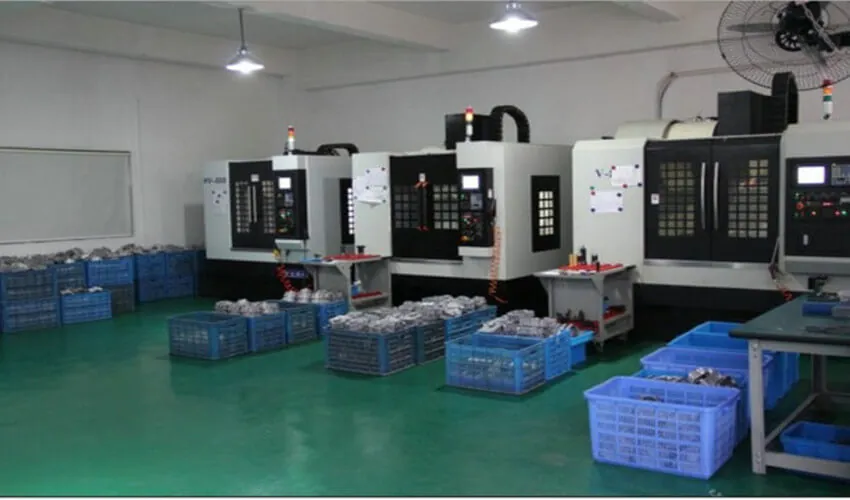
Our facility in Wuxi, China, is equipped with advanced CNC punching, laser cutting, bending, and welding systems, enabling us to handle complex, high-tolerance components across industries such as medical equipment, telecommunications, automation, and renewable energy. We specialize in low-to-mid volume production runs where precision, repeatability, and material efficiency are non-negotiable.

What sets us apart is our end-to-end engineering support. From initial design review to prototyping, production, and final inspection, our team collaborates closely with your engineers to optimize manufacturability, reduce waste, and ensure compliance with international quality standards. Our ISO 9001-certified processes are reinforced with in-house metrology and first-article inspection reports, giving you full traceability and confidence in every part we produce.

We understand that global supply chains demand reliability and transparency. That’s why we offer real-time project tracking, on-time delivery assurance, and dedicated account management to ensure seamless communication across time zones. Whether you’re scaling a new product or sourcing mission-critical components, we align our manufacturing capabilities with your strategic goals.

Below are key technical specifications that define our sheet metal fabrication capabilities

Capability Specification
Material Types Cold Rolled Steel (SPCC), Stainless Steel (SUS304, SUS316), Aluminum (AL5052, AL6061), Galvanized Steel, Copper
Thickness Range 0.5 mm – 3.0 mm (up to 4.0 mm for select materials)
Laser Cutting Accuracy ±0.1 mm
CNC Punching Up to 300 mm x 1500 mm sheet size, ±0.15 mm tolerance
CNC Bending Up to 2500 mm bed length, ±0.2° angular accuracy
Max Part Size 1500 mm x 3000 mm
Welding Processes TIG, MIG, Spot Welding with post-weld polishing and grinding
Finishing Options Powder Coating, Anodizing, Zinc Plating, Passivation, Brushing
Quality Standards ISO 9001:2015, First Article Inspection (FAI), PPAP Level 3 available

Partnering with Wuxi Lead Precision Machinery means gaining a proactive, technically robust extension of your engineering team. We don’t just fabricate parts—we solve manufacturing challenges.

Contact us today at [email protected] to discuss your next project. Let us demonstrate how precision, reliability, and partnership drive superior outcomes in sheet metal fabrication.


⚙️ Precision Cost Estimator

Estimate relative manufacturing effort based on tolerance.

S S Fabrication Manufacturer | Precision CNC Guide

Contents of Table

Contact [email protected] Whatsapp 86 15951276160