Laser Cutting And Bending Manufacturer | Precision CNC Guide

Engineering Guide: Laser Cutting And Bending

Engineering Insight Precision in Laser Cutting and Bending

In high-stakes sheet metal fabrication, precision is not merely desirable; it is the non-negotiable foundation of component integrity, assembly efficiency, and final product performance. Sub-millimeter deviations in laser cutting or bending can cascade into costly downstream failures—misaligned welds, compromised structural loads, or rejected assemblies. For industries like aerospace, medical device manufacturing, and advanced transportation, where tolerances are measured in hundredths of a millimeter, the capability to consistently achieve micron-level accuracy separates capable suppliers from strategic partners. This level of precision demands more than advanced machinery; it requires integrated engineering expertise, rigorous process control, and a culture of uncompromising quality embedded at every stage.

Wuxi Lead Precision Machinery has honed this precision capability through decades of delivering mission-critical components for the most demanding global applications. Our engineering protocols were rigorously validated during the fabrication of structural elements for Olympic venue infrastructure, where dimensional stability under extreme environmental loads was paramount. Similarly, our adherence to stringent military-grade specifications for defense sector applications has proven our ability to maintain tolerances consistently under rigorous third-party inspection regimes. This experience translates directly to our commercial clients: we understand that the thermal dynamics of high-power laser cutting and the springback compensation in precision bending require not just calibrated equipment, but deep metallurgical knowledge and real-time process analytics. Our engineers leverage in-process monitoring systems and statistical process control (SPC) to ensure every cut edge meets ±0.05mm tolerance and every bend angle is held within ±0.25 degrees, batch after batch.

The technical capability to achieve this precision is embodied in our advanced manufacturing platform. The following core specifications demonstrate our capacity for high-accuracy production across diverse material types and thicknesses.

Process Tolerance Capability Material Thickness Range Max Work Area
Fiber Laser Cutting ±0.05 mm 0.5 mm – 25 mm 4 m x 12 m
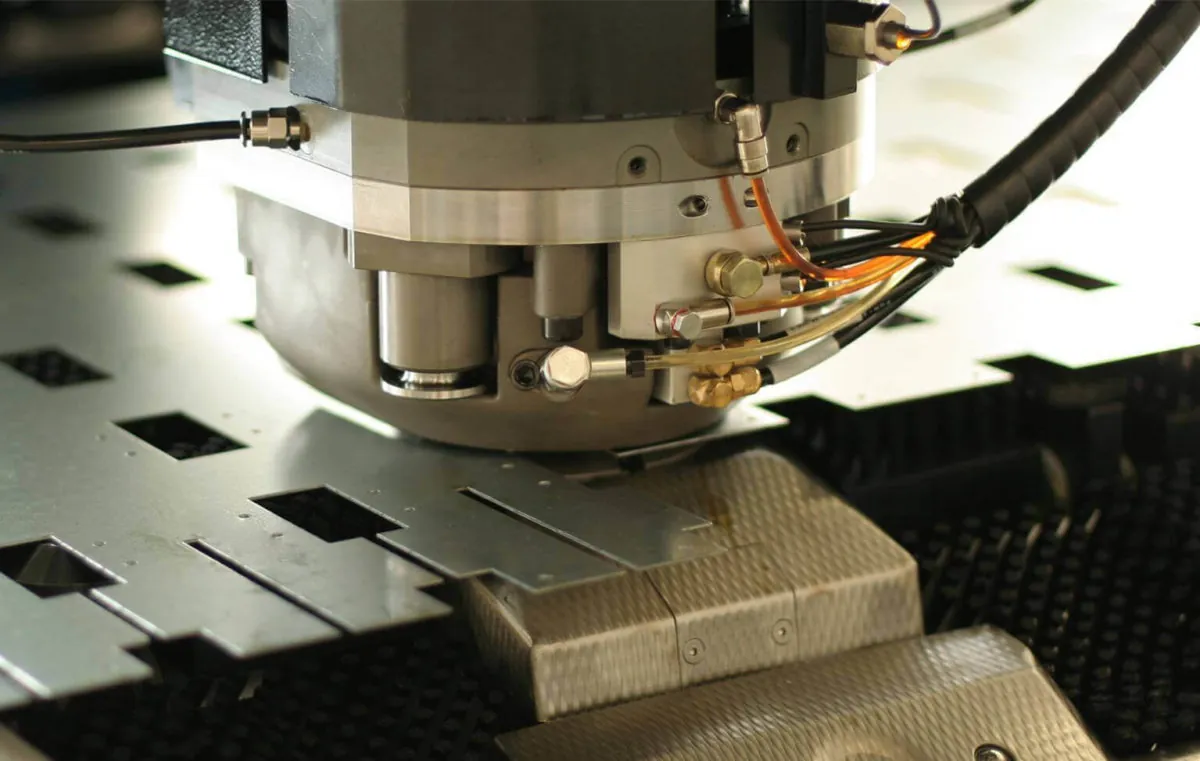
CNC Turret Punching ±0.08 mm 0.5 mm – 6.0 mm 2.5 m x 1.25 m
Press Brake Bending ±0.25° angle 0.5 mm – 12 mm 3 m x 15 m (length)

Achieving this level of repeatability requires continuous investment in both technology and human expertise. Our facility operates under ISO 9001 and IATF 16949 certified quality management systems, with dedicated metrology labs utilizing CMMs and laser trackers for first-article and in-process verification. The result for our clients is reduced scrap rates, accelerated assembly times, and components that integrate flawlessly into complex final products. In an era where supply chain resilience hinges on predictable quality, precision in laser cutting and bending is the definitive metric of a fabrication partner’s operational excellence. Wuxi Lead Precision Machinery delivers this precision as a standard, not an exception, ensuring your most critical components meet the exacting demands of modern engineering.


Precision Specs & Tolerances

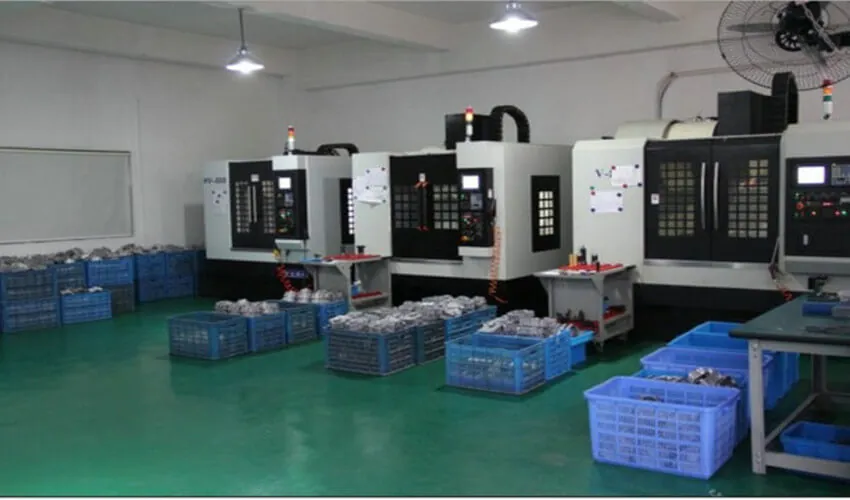
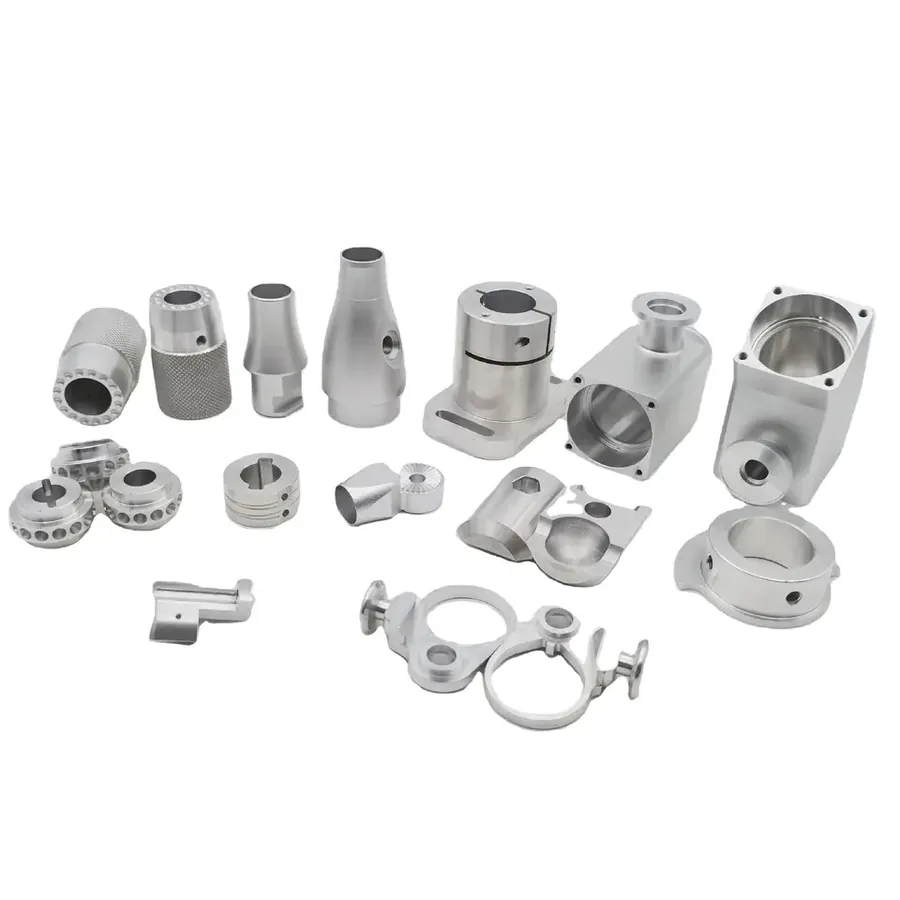
Wuxi Lead Precision Machinery delivers advanced sheet metal fabrication solutions through precision laser cutting and CNC bending technologies. Our technical capabilities are engineered to meet the demanding requirements of high-end industrial sectors, including aerospace, medical devices, automation, and power electronics. At the core of our operations lies a fully integrated 5-axis CNC machining platform, enabling complex geometries and tight-tolerance components from a single setup. This level of automation ensures consistency, reduces human error, and accelerates production cycles without compromising on quality.

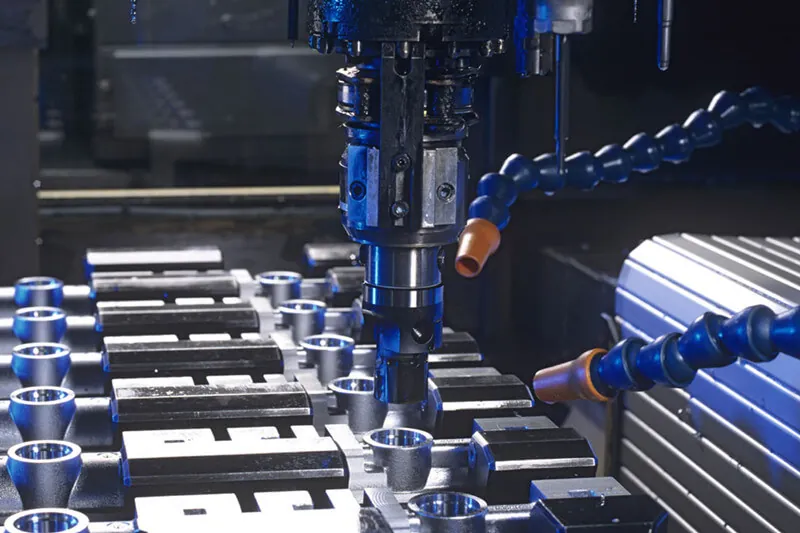
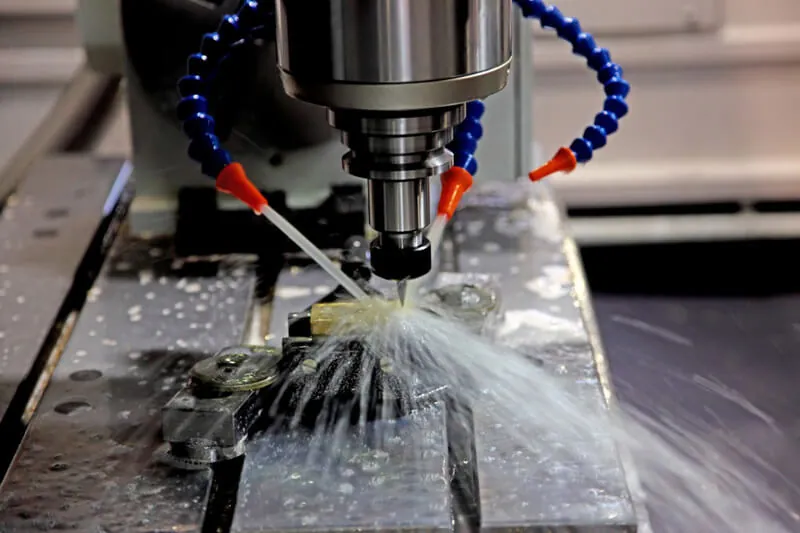
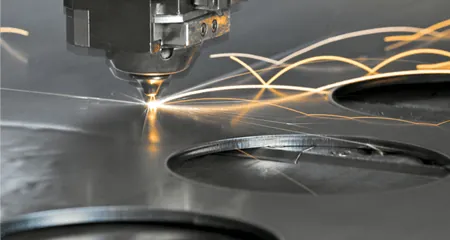
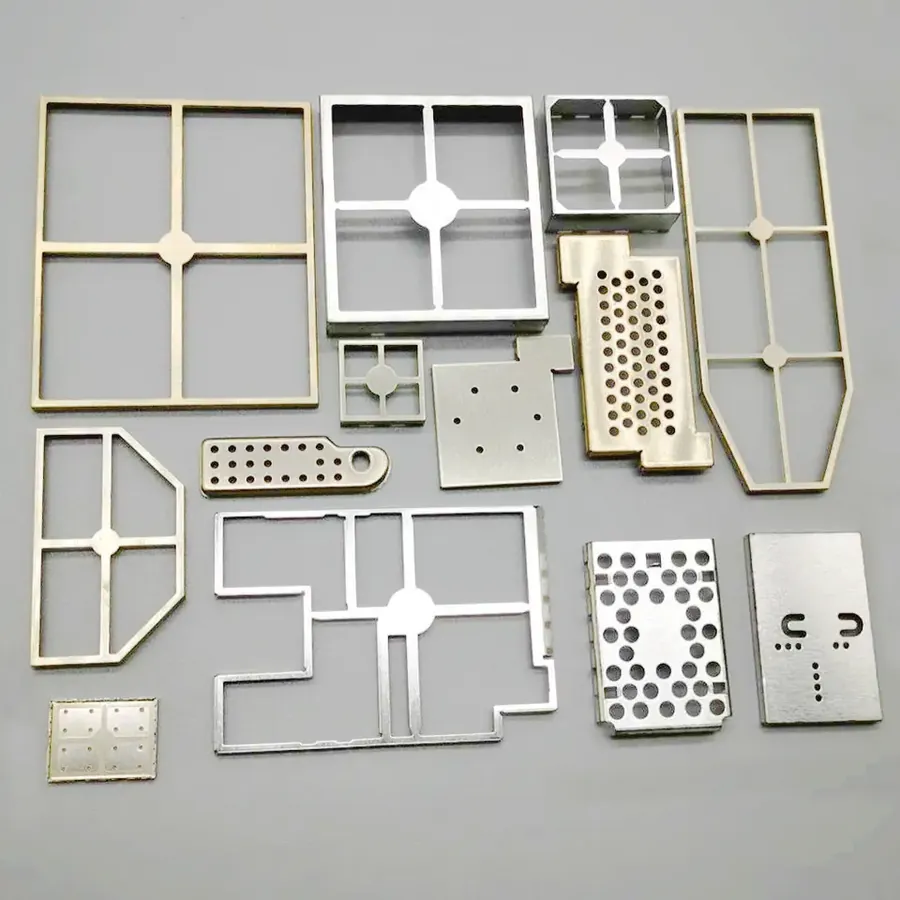
Our laser cutting systems utilize high-power fiber laser technology capable of processing a wide range of conductive and non-conductive sheet metals, including stainless steel, aluminum, copper, and brass. With cutting thicknesses ranging from 0.5 mm to 25 mm, we maintain edge quality and dimensional accuracy across both prototype and high-volume production runs. The integration of 5-axis control allows for beveled cuts, countersinks, and intricate contouring, eliminating the need for secondary operations and reducing overall lead times.

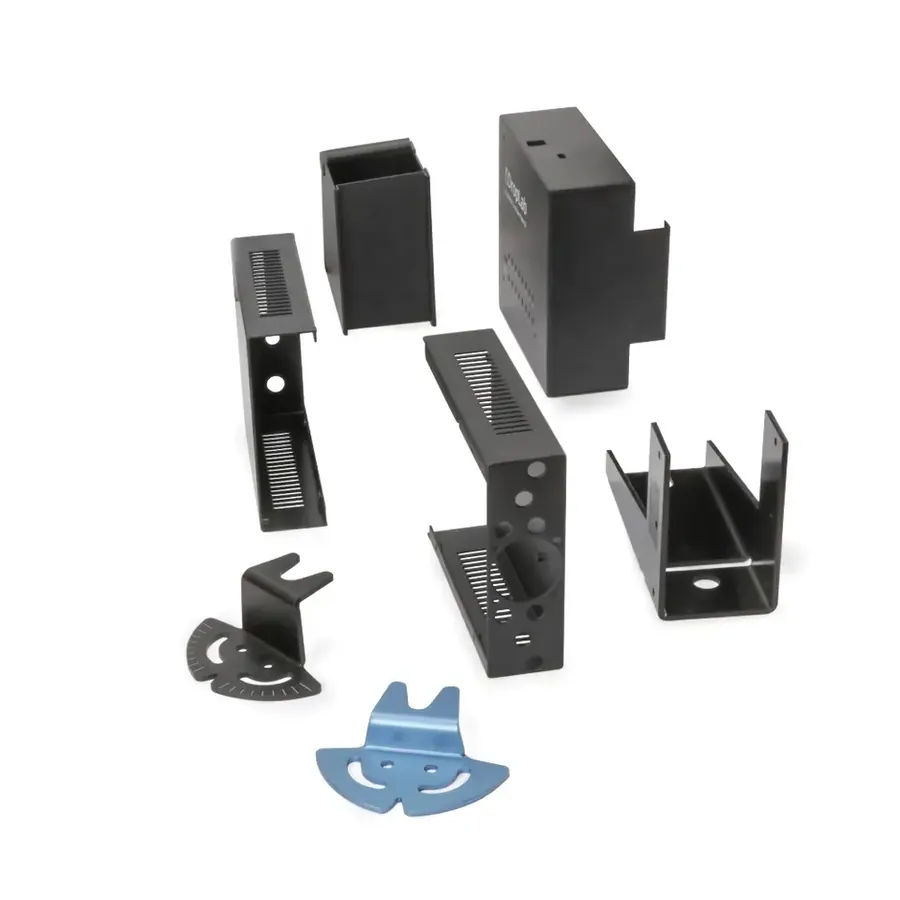
Complementing our cutting precision, our CNC bending capabilities employ state-of-the-art press brakes equipped with adaptive crowning systems and real-time angle feedback. These machines support bending lengths up to 4 meters with tonnage ratings suitable for heavy-gauge materials. Tooling libraries are optimized for minimal setup time and maximum repeatability, ensuring that complex bend sequences are executed with consistent angular accuracy. Our programming team uses advanced offline simulation software to validate forming sequences, avoiding collisions and verifying part integrity before any metal is bent.

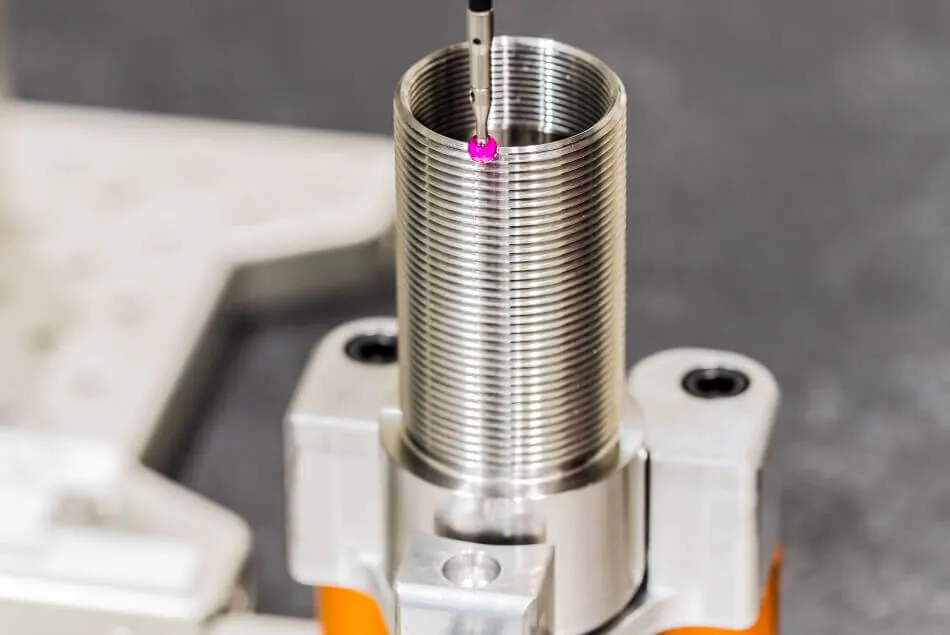
Quality assurance is embedded throughout the manufacturing process. Every critical dimension is validated using Coordinate Measuring Machine (CMM) inspection, supported by GD&T analysis and first-article inspection reports. Our metrology lab operates under ISO 17025-compliant procedures, ensuring traceability and compliance with international standards. In-process inspections and final QA checks are documented and available with each shipment, providing full transparency and audit readiness.

The following table outlines our standard technical specifications and achievable tolerances:

Parameter Specification
Material Thickness (Laser) 0.5 mm – 25 mm
Max Laser Cutting Area 4000 mm × 2000 mm
Bending Length Up to 4000 mm
Max Bending Force 2000 kN
Axis Control 5-Axis CNC
Positioning Accuracy (Laser) ±0.02 mm
Edge Quality (Flatness) < 0.1 mm per 100 mm
Angular Bending Tolerance ±0.2°
Dimensional Tolerance (Bend) ±0.1 mm
Hole Position Tolerance ±0.05 mm
Surface Roughness (Cut Edge) Ra ≤ 3.2 µm
Inspection Method CMM, Optical Comparator, GD&T Analysis

Wuxi Lead Precision Machinery combines engineering expertise with industrial-grade equipment to deliver precision sheet metal components that meet the highest standards of performance and reliability.


Material & Finish Options

Precision Material Selection for Laser Cutting and Bending Excellence

Material selection is a foundational engineering decision directly impacting the manufacturability, performance, and cost of sheet metal components produced via laser cutting and bending. At Wuxi Lead Precision Machinery, our decades of experience confirm that optimizing for these specific processes prevents costly rework and ensures dimensional accuracy. Choosing incorrectly risks thermal distortion during cutting, cracking during bending, or incompatible surface finishes. Understanding the interplay between material properties and fabrication parameters is non-negotiable for high-integrity parts.

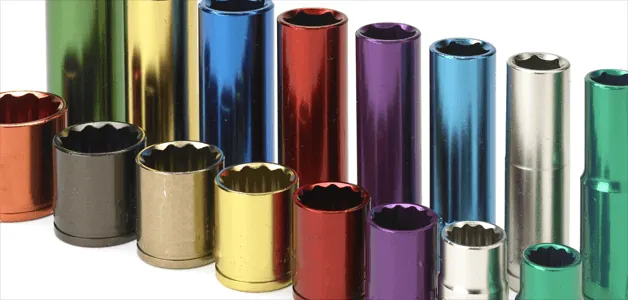
Aluminum alloys dominate aerospace, electronics, and enclosures due to their favorable strength-to-weight ratio and excellent thermal/electrical conductivity. Grades like 5052 offer superior formability for complex bends with minimal springback, while 6052-T6 provides higher strength but demands precise bend radii to avoid edge cracking. Laser cutting requires high-purity nitrogen assist gas to prevent oxidation and achieve clean edges; fiber lasers excel with thin to medium thicknesses. Crucially, aluminum is the primary candidate for anodizing, a critical electrochemical finish enhancing corrosion resistance, wear properties, and enabling dyeing for identification.

Carbon and stainless steel remain the workhorses for structural and industrial applications. Mild steel (e.g., A36, SPCC) cuts efficiently with oxygen assist, creating a smooth oxide layer, but requires careful deburring. Its predictable springback simplifies bending tooling design. Stainless steels (304, 316) demand higher laser power and pure nitrogen to maintain corrosion resistance by preventing heat tint; their higher work-hardening rate necessitates larger bend radii and robust tooling to avoid cracking. Anodizing is not applicable to steel; alternatives like passivation (for stainless) or powder coating are standard.

Titanium alloys, essential for extreme environments in aerospace and medical fields, present unique challenges. Their low thermal conductivity causes significant heat concentration during laser cutting, requiring precise parameter control and high-purity argon shielding to prevent embrittlement. Bending titanium demands large radii, slow speeds, and specialized tooling due to high springback and susceptibility to galling. Anodizing titanium is possible for color coding and mild corrosion improvement but differs fundamentally from aluminum anodizing and offers less wear resistance.

The following table summarizes critical fabrication considerations for common sheet metals:

Material Common Grades Laser Cutting Notes Bending Notes Anodizing Suitability
Aluminum 5052, 6061-T6 Nitrogen assist essential; fiber laser optimal for thin sheets 5052 highly formable; 6061 requires larger radii Excellent; primary application
Carbon Steel A36, SPCC Oxygen assist efficient; smooth cut edge Predictable springback; standard tooling Not applicable
Stainless Steel 304, 316 High-power laser; pure nitrogen required High work-hardening; larger radii needed Not applicable
Titanium Grade 2, 5 Argon shielding critical; precise power control Very high springback; specialized tooling Possible for color/corrosion; limited wear

Selecting the optimal material requires balancing end-use requirements with laser cutting capabilities and bending mechanics. Wuxi Lead Precision Machinery leverages advanced fiber laser systems and precision press brakes to handle this spectrum, but material suitability dictates process efficiency. Consult our engineering team early in your design phase to ensure your chosen material aligns seamlessly with high-precision fabrication and your desired finish specifications, maximizing yield and part performance.


Manufacturing Process & QC

Design: The Foundation of Precision

At Wuxi Lead Precision Machinery, the production process begins with meticulous design engineering, where precision and manufacturability are prioritized from the outset. Our engineering team collaborates closely with clients to transform conceptual sketches or 3D models into optimized, production-ready designs. Utilizing advanced CAD/CAM software such as SolidWorks, AutoCAD, and Siemens NX, we conduct comprehensive design for manufacturability (DFM) analysis. This includes evaluating material selection, wall thickness, bend radii, and feature spacing to ensure compatibility with high-speed laser cutting and CNC bending. Tolerance analysis and geometric dimensioning and tolerancing (GD&T) are applied rigorously to maintain alignment with ISO 2768 and client-specific standards. Every design undergoes internal peer review and client validation before progression, minimizing downstream errors and ensuring seamless transition to prototyping.

Prototyping: Validating Performance and Fit

Prototyping serves as a critical validation step, allowing us to verify design integrity, functionality, and assembly compatibility. At Wuxi Lead, prototypes are produced using the same industrial-grade fiber laser cutting systems and CNC press brakes intended for mass production, ensuring process consistency. This approach eliminates discrepancies between prototype and final production parts. Each prototype undergoes full dimensional inspection via coordinate measuring machines (CMM) and optical comparators, with reports provided to the client. Functional testing, including fit checks, weldability trials, and surface finish evaluation, is conducted to confirm performance under real-world conditions. Feedback from this stage is integrated rapidly, enabling design refinements with minimal delay. Our agile prototyping cycle typically delivers first articles within 5–7 working days, accelerating time-to-market without compromising quality.

Mass Production: Engineered for Zero Defects

With design and prototype approval, we transition to high-volume manufacturing under a Zero Defects framework. Our production floor integrates automated fiber laser cutting systems with CNC bending cells, all monitored through a centralized manufacturing execution system (MES). This enables real-time process control, traceability, and immediate deviation detection. All operators are certified to ISO 9001:2015 standards, and statistical process control (SPC) is applied at every critical stage. In-process inspections occur at defined intervals, while final products undergo 100% visual and dimensional verification. Any non-conformance triggers an immediate root cause analysis and corrective action protocol.

Key production specifications are maintained across all batches:

Parameter Specification
Laser Cutting Thickness 0.5 mm – 25 mm (steel)
Positioning Accuracy ±0.03 mm
Repeatability ±0.02 mm
Minimum Bend Radius 1.0 x material thickness
Angular Accuracy ±0.2°
Material Compatibility Mild steel, stainless steel, aluminum
Max. Bending Length 3000 mm
Tolerance Standard ISO 2768-m, or as specified

Through disciplined execution across design, prototyping, and mass production, Wuxi Lead Precision Machinery ensures every component meets the highest standards of quality, consistency, and performance.


Why Choose Wuxi Lead Precision

Elevate Your Sheet Metal Fabrication with Precision Engineering

In high-stakes manufacturing, inconsistent laser cutting or bending tolerances directly impact product integrity, assembly efficiency, and time-to-market. Legacy suppliers often struggle with material waste, dimensional drift, or reactive quality control—costing you rework, delays, and eroded margins. At Wuxi Lead Precision Machinery, we engineer partnerships, not transactions. Our integrated approach merges German-caliber CNC technology with ISO 9001-certified processes to deliver sheet metal components that meet aerospace, medical, and industrial automation standards—on spec, every time.

We eliminate fabrication variables through closed-loop monitoring systems. Our fiber laser cutters dynamically adjust for material reflectivity and thickness variance, while robotic bending cells compensate for spring-back in real time. This isn’t just automation; it’s predictive precision. Every component undergoes in-process metrology via Zeiss CMMs, ensuring flatness tolerances of ±0.05mm and angular accuracy to ±0.1°. For mission-critical applications, our material traceability system logs each step from coil to finished part—providing auditable quality data you can trust.

Our technical capabilities are built for complex demands:

Process Maximum Capability Standard Tolerance Material Range
Fiber Laser Cutting 6kW power, 4m x 2m bed ±0.05mm Mild steel to 30mm, stainless to 25mm, aluminum to 20mm
CNC Bending 300-ton press brake, 4m length ±0.1° angular Up to 6mm thickness with full backgauging
Secondary Operations Deburring, welding, assembly ±0.02mm Integrated with cutting/bending workflow

Beyond machinery, we optimize your entire value chain. Our engineering team collaborates during DFM analysis to reduce material consumption by up to 18% and simplify downstream assembly. Global clients leverage our 72-hour rapid prototyping service and JIT delivery network—cutting inventory costs while ensuring zero line-stop incidents. With 12 years serving Fortune 500 clients, we understand that reliability isn’t measured in uptime alone, but in your ability to ship flawless end products.

Partnering with Wuxi Lead means embedding precision into your supply chain. We don’t just meet drawings; we safeguard your reputation through relentless process control and engineering transparency. When tolerances tighten and deadlines compress, your fabrication partner must operate as an extension of your technical team. Contact us today to initiate a capability assessment tailored to your most demanding projects.

Begin your precision partnership now. Email Contact [email protected] with your fabrication challenge, and our lead engineer will respond within 4 business hours with a technical roadmap. Let’s engineer excellence—together.


⚙️ Precision Cost Estimator

Estimate relative manufacturing effort based on tolerance.

Laser Cutting And Bending Manufacturer | Precision CNC Guide

Contents of Table

Contact [email protected] Whatsapp 86 15951276160