Silicone Rubber Molding Manufacturer | Precision CNC Guide

Engineering Guide: Silicone Rubber Molding

silicone rubber molding manufacturing

Engineering Insight: Precision in Silicone Rubber Molding

Silicone rubber molding is a critical process in high-end manufacturing, particularly for industries demanding extreme reliability, temperature resistance, and long-term performance. At Wuxi Lead Precision Machinery, we approach this process not merely as a production step, but as an engineering discipline where precision defines success. The unique properties of silicone—flexibility across wide temperature ranges, biocompatibility, and electrical insulation—make it ideal for aerospace, medical, automotive, and defense applications. However, these benefits can only be fully realized when the molding process is executed with exacting dimensional control and material consistency.

Precision in silicone rubber molding begins with mold design. Even minor deviations in cavity geometry can result in part warpage, flash formation, or inconsistent sealing performance. At Lead Precision, our engineering team applies finite element analysis (FEA) and mold flow simulation to anticipate material behavior under high pressure and temperature. This predictive modeling ensures optimal gate placement, venting, and cooling channel design—factors that directly influence cycle time, part integrity, and yield rate.

Material selection is equally vital. High-consistency rubber (HCR) and liquid silicone rubber (LSR) require different handling, curing profiles, and injection parameters. Our in-house material science team collaborates with global suppliers to qualify silicone grades that meet ASTM, ISO, and military specifications. Every batch is rigorously tested for viscosity, durometer, tensile strength, and thermal stability before entering production.

Our CNC-machined steel molds are manufactured to tolerances within ±0.005 mm, ensuring repeatability across production runs of tens of thousands of parts. Surface finishes are controlled to Ra ≤ 0.8 µm, critical for medical-grade components where particle shedding must be minimized. All molds undergo stress-relief treatment and hardening processes to extend service life under continuous thermal cycling.

Wuxi Lead Precision Machinery has delivered mission-critical silicone components for Olympic-standard athletic equipment and military-grade communication systems. These projects demanded zero-defect output under strict deadlines—proof of our capability to merge precision engineering with scalable manufacturing.

The table below outlines key specifications achievable in our silicone rubber molding process:

Parameter Capability Standard Tolerance
Mold Material H13, P20, 420 Stainless, S136 Hardness 48–52 HRC
Part Weight Range 1 g – 1,200 g ±0.1 g (min)
Dimensional Tolerance Critical features ±0.01 mm
Surface Finish SPI A1 to C3, custom textures Ra 0.05 – 3.2 µm
Production Volume Prototypes to 500,000+ annual units 100% traceability
Curing Time (Cycle) 30 sec – 10 min Automated monitoring
Post-Curing Options 200°C for 4 hours (per MIL-STD) Available on request
Quality Standards ISO 9001, IATF 16949, ISO 13485 Full inspection reports

At Lead Precision, we treat every silicone molding project as a partnership in engineering excellence. Our track record with elite industrial clients reflects our commitment to performance, precision, and accountability at every stage of production.


Precision Specs & Tolerances

silicone rubber molding manufacturing

Technical Capabilities: Precision Metal Foundation for Silicone Rubber Molding Excellence

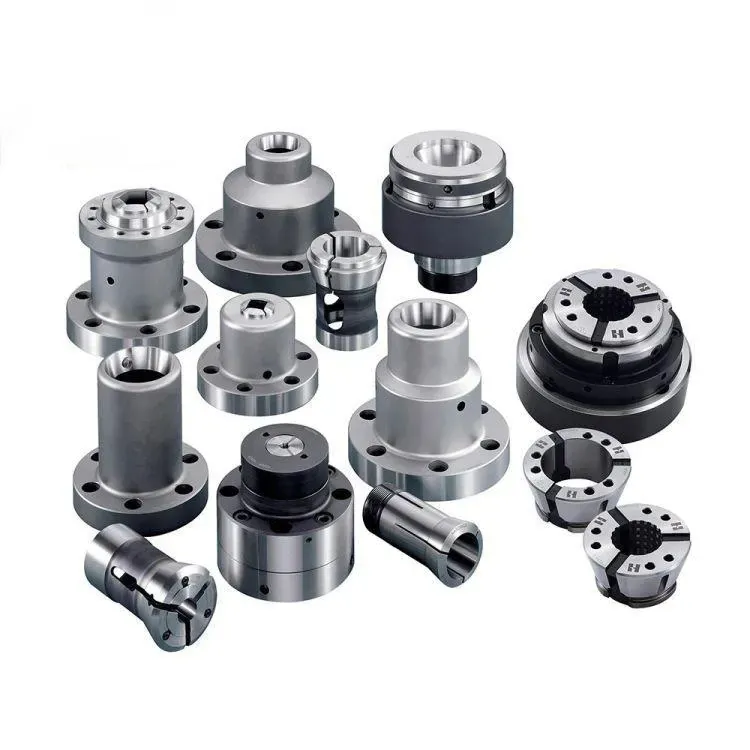
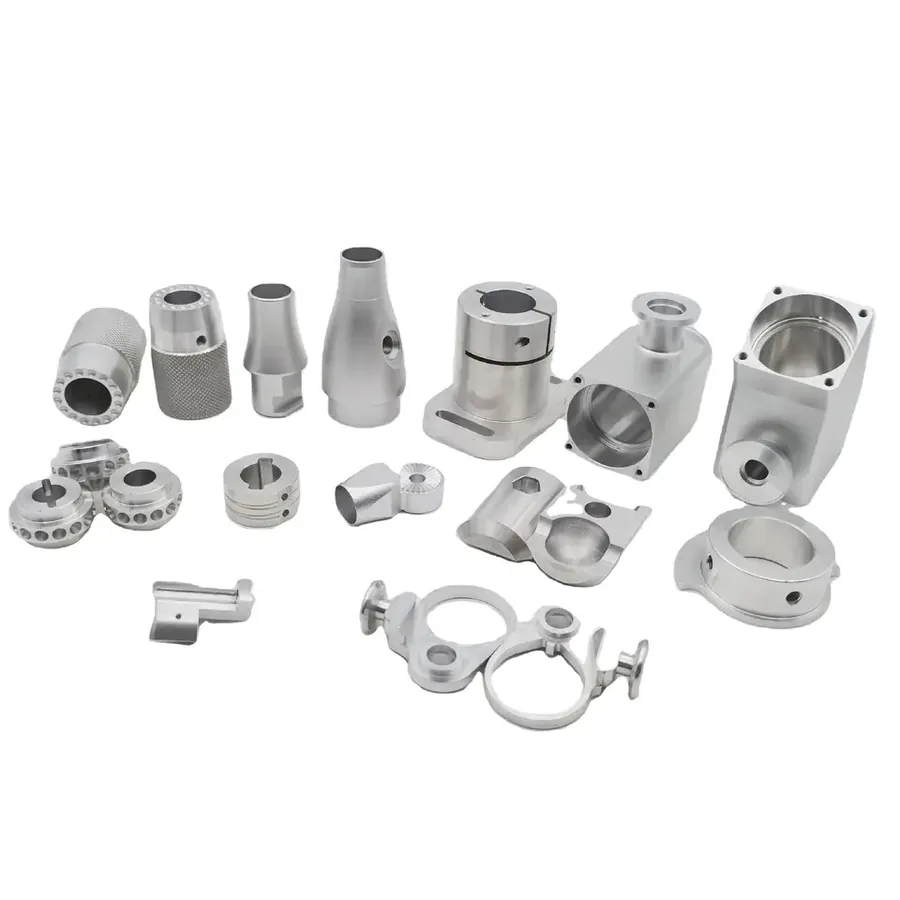
At Wuxi Lead Precision Machinery, we recognize that exceptional silicone rubber molded components begin with uncompromising precision in the metal tooling. Our core strength lies in delivering the high-integrity, complex metal components essential for advanced silicone molding applications, particularly within demanding sectors like medical devices, aerospace, and automotive sealing systems. We bridge the critical gap between design intent and flawless silicone production through advanced metal manufacturing capabilities centered on multi-axis CNC machining and rigorous metrology.

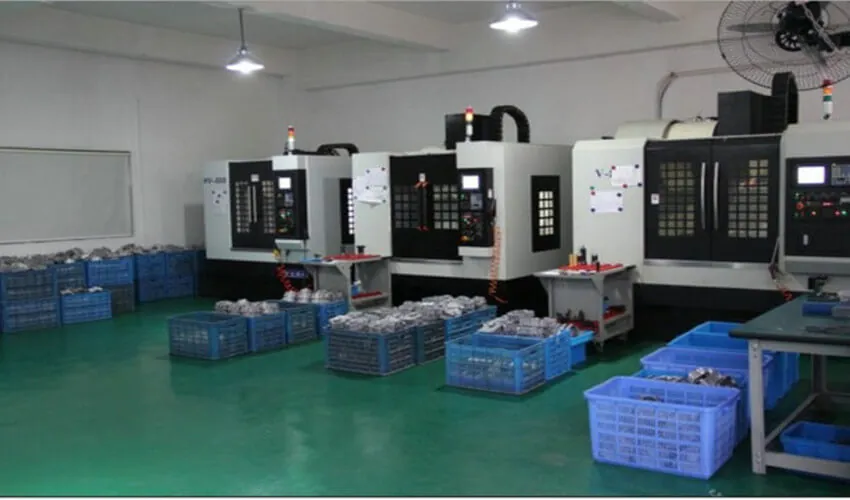
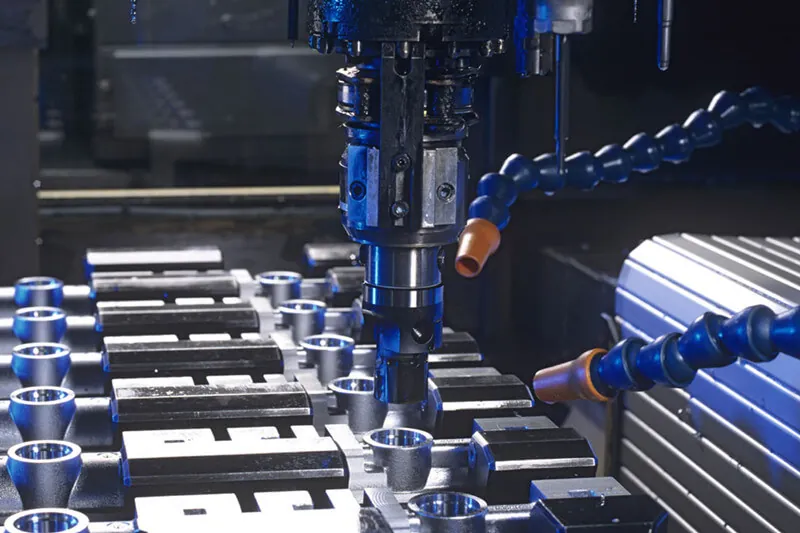
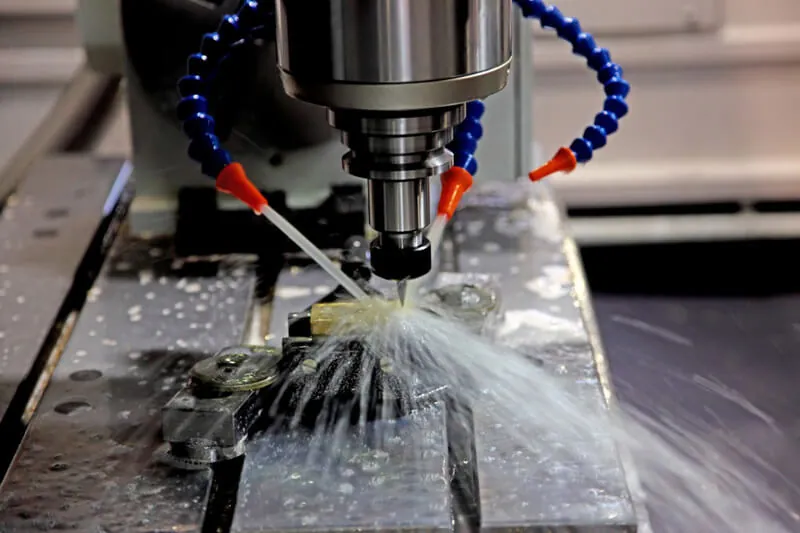
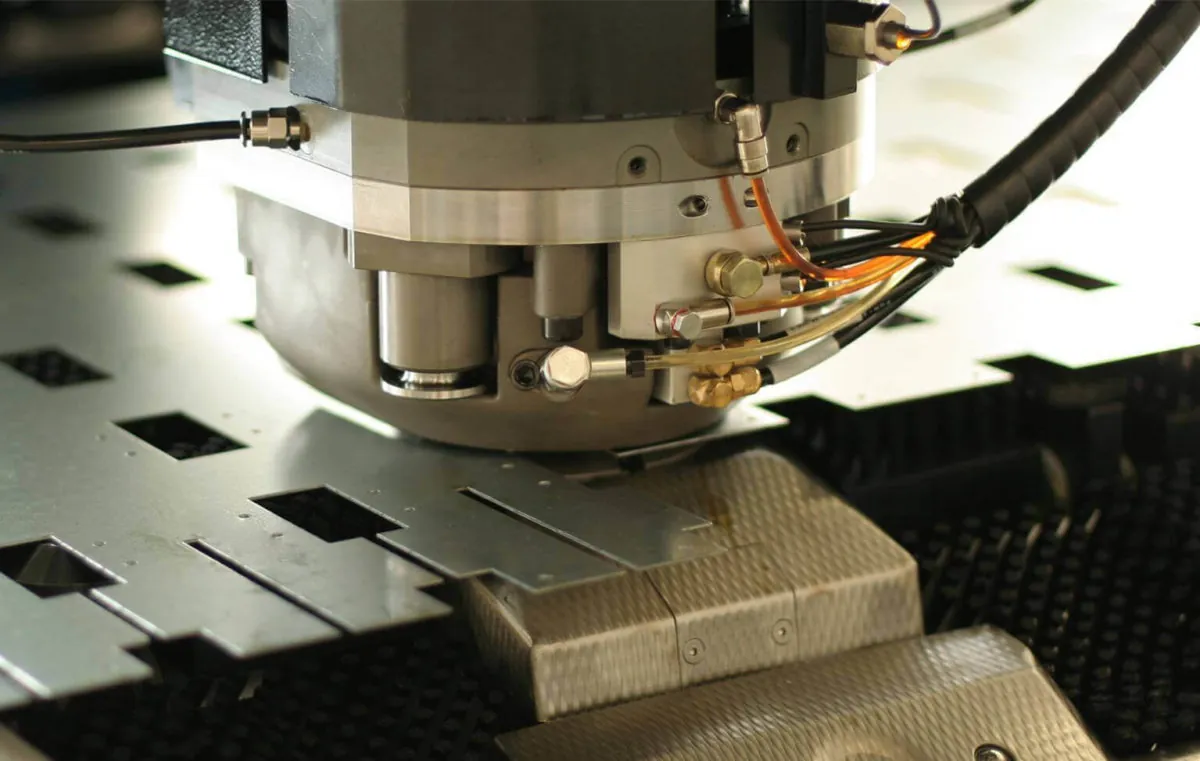
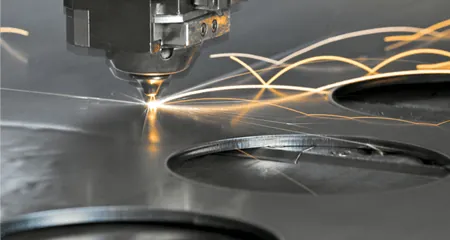
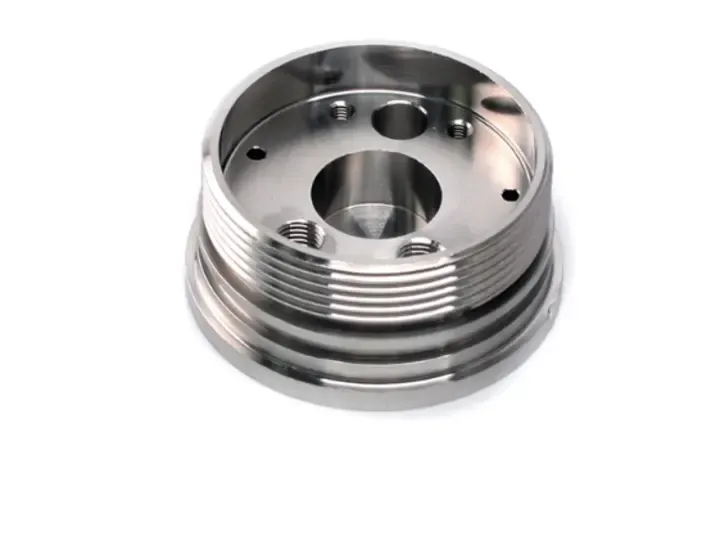
Our dedicated production floor features state-of-the-art 5-axis CNC machining centers, enabling the creation of intricate mold cavities, cores, inserts, and housings with geometric complexity unattainable through conventional methods. This capability is paramount for producing the undercuts, fine surface textures, and tight internal features required in high-performance silicone molds. The simultaneous multi-axis movement ensures superior surface finish directly off the machine, minimizing secondary operations and significantly reducing the potential for parting line mismatches or flash lines in the final silicone product. Material versatility is key; we routinely machine hardened tool steels (H13, S7), stainless steels (17-4PH, 420), and aluminum alloys to exacting specifications, selecting the optimal substrate based on production volume, chemical resistance needs, and thermal management requirements of the silicone molding process.

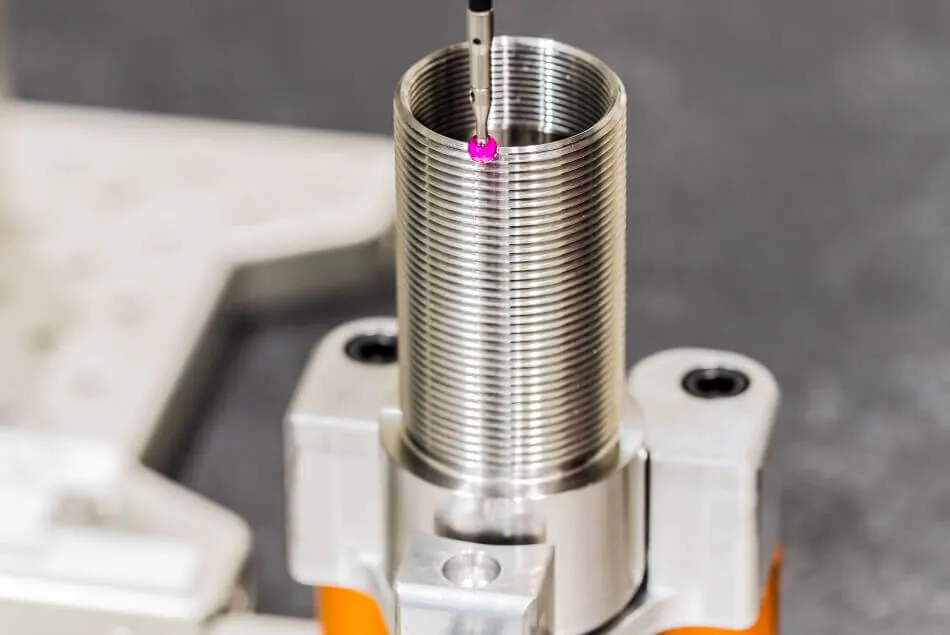
Quality is non-negotiable and embedded at every stage. Comprehensive Coordinate Measuring Machine (CMM) inspection is mandatory for all critical mold components and finished tooling assemblies. Our Zeiss and Hexagon CMM systems provide full 3D verification against CAD models, ensuring dimensional accuracy, geometric form (flatness, roundness, profile), and critical feature relationships meet or exceed the stringent demands of silicone molding. This metrology-driven approach eliminates costly mold trial iterations and guarantees consistent cavity dimensions, directly translating to reduced silicone part variation, improved sealing performance, and extended mold life. Traceable inspection reports provide complete transparency and audit readiness for regulated industries.

The precision achievable in the metal tooling directly dictates the quality and repeatability of the silicone molding process. The following table details the typical tolerances we consistently achieve on critical mold features, forming the essential foundation for high-fidelity silicone replication:

Feature Category Typical Tolerance Capability Critical Notes for Silicone Molding
Linear Dimensions (Steel) ±0.005 mm (±0.0002″) Essential for cavity depth, core positioning, shut-offs
Geometric Form (Flatness) 0.003 mm (0.00012″) per 100mm Critical for parting line integrity, preventing flash
Hole Diameter & Position ±0.003 mm (±0.00012″) Vital for pin alignment, vent placement, ejector pins
Surface Finish (Cavity) Ra 0.2 µm (8 µin) Directly replicates onto silicone part surface
Inter-Cavity Alignment ±0.005 mm (±0.0002″) Ensures uniform wall thickness in multi-cavity molds

This level of metal precision, validated through systematic CMM inspection, provides the stable, accurate platform necessary for successful high-volume or tight-tolerance silicone rubber molding. Wuxi Lead Precision Machinery delivers the critical metal foundation that enables your silicone components to meet exacting performance and reliability standards. We eliminate the variability at the source, ensuring your molding process starts with perfection.


Material & Finish Options

silicone rubber molding manufacturing

Material Selection for High-Precision Silicone Rubber Molding Tools

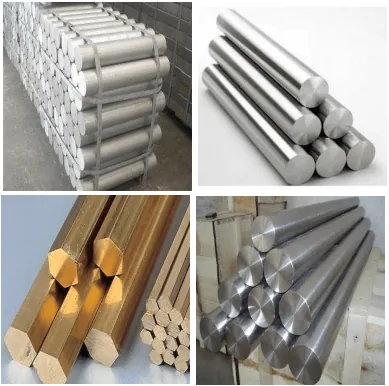
In the production of silicone rubber components through compression, transfer, or injection molding, the selection of tooling material is critical to achieving dimensional accuracy, surface finish quality, and long-term durability. At Wuxi Lead Precision Machinery, we specialize in custom metal manufacturing for high-performance molding applications, where material choice directly impacts cycle life, thermal response, and overall process efficiency. The most common materials used for silicone molding tools are aluminum, steel, and titanium, each offering distinct advantages depending on production volume, part complexity, and environmental conditions.

Aluminum alloys, particularly 6061-T6 and 7075-T6, are widely used for prototyping and low-to-medium volume production. Their high thermal conductivity ensures rapid and uniform heat distribution across the mold surface, reducing cycle times and improving curing consistency in silicone molding. Aluminum is also easier to machine, allowing for faster lead times and cost-effective iterations during design validation. However, its lower hardness and wear resistance make it less suitable for extended production runs or abrasive silicone formulations.

For high-volume manufacturing, tool steels such as H13, P20, and 420 stainless steel are preferred. These materials offer superior hardness, wear resistance, and thermal stability under continuous operation. H13 tool steel, in particular, is renowned for its excellent toughness and resistance to thermal fatigue, making it ideal for silicone molding applications involving repeated heating and cooling cycles. Stainless variants like 420 also provide corrosion resistance, essential when processing platinum-cure silicones that may release trace acids during curing.

Titanium and its alloys, while less common, are selected for specialized applications requiring extreme corrosion resistance, high strength-to-density ratios, and biocompatibility. Titanium molds are particularly beneficial in medical-grade silicone molding where sterility and material inertness are paramount. Though more expensive and challenging to machine, titanium offers exceptional longevity in aggressive chemical environments.

Surface finishing plays a complementary role in mold performance. Anodizing, especially hard anodizing, significantly enhances the surface hardness and wear resistance of aluminum molds. Type III anodizing (hard coat) can produce a ceramic-like layer up to 50–75 µm thick, with hardness values exceeding 60 HRC. This treatment improves release characteristics, reduces galling, and extends service life without compromising thermal conductivity.

Below is a comparative overview of key material properties relevant to silicone rubber molding tools:

Material Hardness (HRC) Thermal Conductivity (W/m·K) Corrosion Resistance Typical Use Case
Aluminum 6061-T6 15–20 167 Low to Moderate Prototyping, low-volume runs
H13 Tool Steel 48–52 35 Moderate High-volume, high-temp molding
420 Stainless 52–56 25 High Medical, corrosive environments
Titanium Grade 5 35–40 7 Very High Specialized, biocompatible use

Selecting the optimal material and finish requires a balanced assessment of production demands, part specifications, and total cost of ownership. At Wuxi Lead Precision Machinery, we support clients in making informed decisions through engineering consultation and precision manufacturing tailored to the unique challenges of silicone rubber molding.


Manufacturing Process & QC

silicone rubber molding manufacturing

Silicone Rubber Molding: Precision Execution from Concept to Volume Production

At Wuxi Lead Precision Machinery, our silicone rubber molding process is engineered for uncompromising quality and efficiency, transforming client specifications into flawless high-performance components. We integrate advanced CNC-machined metal tooling expertise with rigorous polymer science protocols to ensure zero defects across every production phase. This systematic approach—Design, Prototyping, Mass Production—forms the backbone of our custom manufacturing service for demanding industrial applications.

The Design phase begins with comprehensive digital analysis. Our engineering team conducts detailed Design for Manufacturability (DFM) reviews, leveraging 3D CAD simulations to optimize part geometry, gate placement, and thermal stability for silicone’s unique flow characteristics. Critical factors like material shrinkage rates (1.5-3.0% depending on compound), cure kinetics, and metal-to-rubber interface integrity are modeled to prevent defects such as voids, incomplete fills, or flash. Client collaboration is continuous, ensuring alignment on performance requirements and material selection from our certified medical-grade, high-temperature, or conductive silicone portfolio before tooling fabrication commences.

Prototyping utilizes CNC-machined aluminum or steel prototype molds, produced in-house with micron-level accuracy. This stage validates the digital design through physical testing under actual production parameters—cure time, temperature profiles, and pressure cycles. Dimensional inspection via CMM and functional testing (e.g., compression set, tensile strength) identify micro-adjustments needed. Crucially, this phase isolates and resolves potential failure points, such as knit lines or material degradation, eliminating costly errors before committing to production tooling. Typical prototyping lead time is 10-15 days with full material traceability.

Mass Production deploys hardened steel molds crafted using our precision CNC machining centers, ensuring thermal stability and longevity for high-volume runs. Our zero-defect mandate is enforced through real-time process monitoring: automated sensors track cavity pressure, temperature uniformity (±1°C), and cycle times, while 100% automated vision inspection systems detect surface anomalies down to 10-micron resolution. Statistical Process Control (SPC) data is continuously analyzed to maintain CpK >1.67. Every batch undergoes stringent final QA, including dimensional reports and material certification, guaranteeing compliance with ISO 13485 or IATF 16949 standards. Production scalability is seamless, from 1,000 to 500,000+ units monthly.

Wuxi Lead Silicone Molding Capabilities

Parameter Specification
Tolerance Range ±0.05 mm (critical features)
Hardness Range 30 to 80 Shore A
Max Part Size 500 x 500 x 200 mm
Material Grades Medical, High-Temp, Conductive
Lead Time (Mass) 15 days after final approval

This closed-loop methodology—grounded in precision metal tooling and polymer science—ensures your silicone components meet exact functional and regulatory demands, delivered on schedule with absolute quality consistency. Wuxi Lead transforms complex molding challenges into defect-free reality.


Why Choose Wuxi Lead Precision

Partner with Lead Precision for Advanced Silicone Rubber Molding Solutions

At Wuxi Lead Precision Machinery, we specialize in delivering high-performance, custom metal manufacturing solutions that meet the exacting demands of modern industrial applications. Our expertise in silicone rubber molding integrates precision engineering, advanced material science, and state-of-the-art CNC fabrication to produce components that perform reliably under extreme conditions. Whether you are developing medical devices, aerospace systems, automotive seals, or industrial gaskets, partnering with Lead Precision ensures your project benefits from unmatched technical capability and engineering integrity.

Silicone rubber molding is not just a process—it’s a precision discipline. At Lead Precision, we approach every molding project with a focus on dimensional accuracy, material consistency, and long-term durability. Our in-house tooling design, coupled with ISO-certified production environments, allows us to deliver molded silicone components with tight tolerances, excellent repeatability, and full traceability. We work with high-consistency rubber (HCR), liquid silicone rubber (LSR), and specialty formulations including conductive, medical-grade, and flame-retardant silicones, ensuring compatibility with your application’s environmental and regulatory requirements.

Our engineering team collaborates directly with clients from concept through production, providing DFM analysis, rapid prototyping, and mold flow simulation to reduce time-to-market and eliminate costly design iterations. With decades of experience in both Asian and global supply chains, we understand the importance of on-time delivery, cost efficiency, and quality assurance—without compromise.

We serve industries where failure is not an option. From FDA-compliant healthcare components to aerospace-grade seals exposed to extreme temperatures, our silicone molding solutions are built to exceed expectations. Our facility is equipped with servo-controlled hydraulic presses, cleanroom molding stations, and automated de-flashing systems, enabling high-volume production with minimal variability.

When you partner with Wuxi Lead Precision Machinery, you gain more than a supplier—you gain a technical ally committed to your success. We provide full documentation packages, including material certifications, first-article inspection reports, and PPAP submissions, ensuring seamless integration into your quality systems.

Below are key technical specifications of our silicone rubber molding capabilities:

Specification Detail
Material Types HCR, LSR, FDA, Conductive, High-Temp, Flame-Retardant Silicones
Hardness Range 10 to 80 Shore A
Tolerance Capability ±0.05 mm (precision molds)
Mold Base Materials H13, 420SS, P20, S136 (stainless and hardened steels)
Press Tonnage Range 50 to 300 tons
Production Environment Cleanroom (Class 10,000) available
Secondary Operations Automated de-flashing, laser trimming, bonding, packaging
Quality Standards ISO 9001:2015, IATF 16949, RoHS, REACH compliant

Contact us today at [email protected] to discuss your next silicone rubber molding project. Let Wuxi Lead Precision Machinery be your trusted partner in precision manufacturing.


⚙️ Precision Cost Estimator

Estimate relative manufacturing effort based on tolerance.

Silicone Rubber Molding Manufacturer | Precision CNC Guide

Contents of Table

Contact [email protected] Whatsapp 86 15951276160