Technical Contents
Engineering Guide: All Electric Injection Moulding Machine

Engineering Insight Precision as the Core Differentiator in All-Electric Injection Moulding
In the demanding landscape of high-end custom metal manufacturing and precision component production, the shift towards all-electric injection moulding machines represents far more than an energy efficiency upgrade. It signifies a fundamental commitment to achieving and sustaining micron-level precision, a non-negotiable requirement for mission-critical applications. While hydraulic systems inherently suffer from fluid compressibility and thermal drift, all-electric platforms eliminate these variables through direct-drive servo motors and rigid mechanical linkages. This architecture delivers unparalleled repeatability and control over critical parameters like injection speed, pressure, and screw position – factors directly impacting part dimensional stability, surface finish, and material integrity. For components destined for aerospace subsystems, medical implants, or advanced optical systems, even sub-micron deviations can cascade into functional failure. True precision engineering demands the elimination of process variability at its source, making the mechanical rigidity and thermal stability of the machine frame, ball screws, and linear guides as vital as the servo control algorithms themselves. It is this holistic understanding of precision physics that separates capable machines from truly exceptional ones.
Wuxi Lead Precision Machinery’s expertise in this domain is rigorously validated through our execution of projects demanding the absolute pinnacle of manufacturing fidelity. Our engineering teams have successfully delivered components integral to Olympic Games timing systems, where split-millisecond accuracy is paramount, and critical subsystems for military-grade equipment, operating under extreme environmental stress. These engagements were not merely production contracts; they were stringent validations of our ability to maintain tolerances consistently within ±0.005mm across complex geometries and challenging materials. This experience directly informs our approach to specifying and integrating all-electric injection moulding technology. We understand that precision is not a single machine specification but a system-wide attribute encompassing machine design, process control, material science, and rigorous environmental management within the production cell. Our clients benefit from this deep-seated discipline, ensuring their high-value, low-volume metal and composite components meet the most exacting global standards without compromise.
The following table outlines key precision-oriented specifications inherent in the high-performance all-electric platforms we implement and support for critical applications.
| Specification | Performance Level | Significance for Precision Manufacturing |
|---|---|---|
| Positioning Accuracy | ±0.005 mm | Ensures exact placement of cores, cavities, and ejector systems critical for complex geometries |
| Repeatability | ±0.002 mm | Guarantees consistent part dimensions shot-to-shot and over extended production runs |
| Clamp Force Range | 80 – 2000 Tons | Provides optimal, stable mould closure pressure for thin-wall and high-detail parts |
| Injection Speed Control | ±0.5% repeatability | Enables precise replication of flow front dynamics for uniform material packing |
| Screw Position Resolution | 0.01 mm | Critical for accurate shot size control and consistent cushion management |
| Thermal Stability (Oil Temp) | ±0.5°C | Minimizes process drift caused by ambient or operational temperature fluctuations |
Achieving this level of performance requires moving beyond standard machine procurement. It necessitates a partner with proven engineering depth in both the machine technology and the end-application requirements. Wuxi Lead Precision Machinery brings this integrated perspective, forged in the crucible of Olympic and military-grade manufacturing, to every all-electric injection moulding solution we deploy. Precision isn’t just measured; it’s engineered into every facet of the process.
Precision Specs & Tolerances

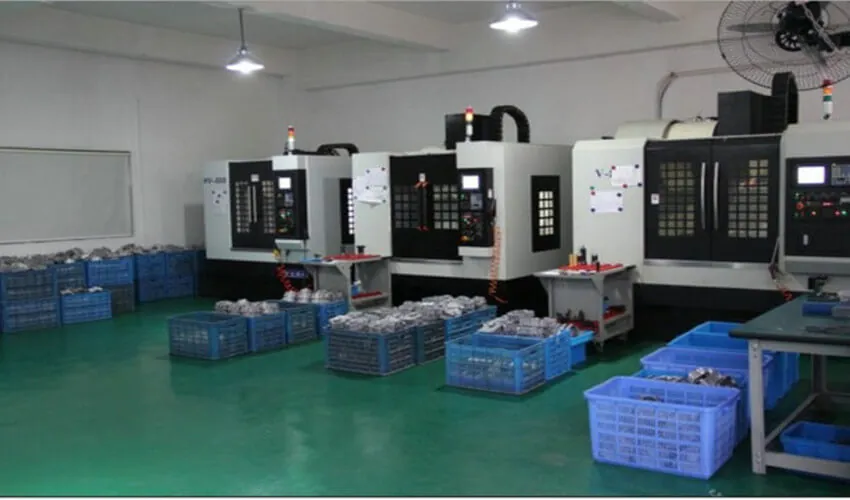
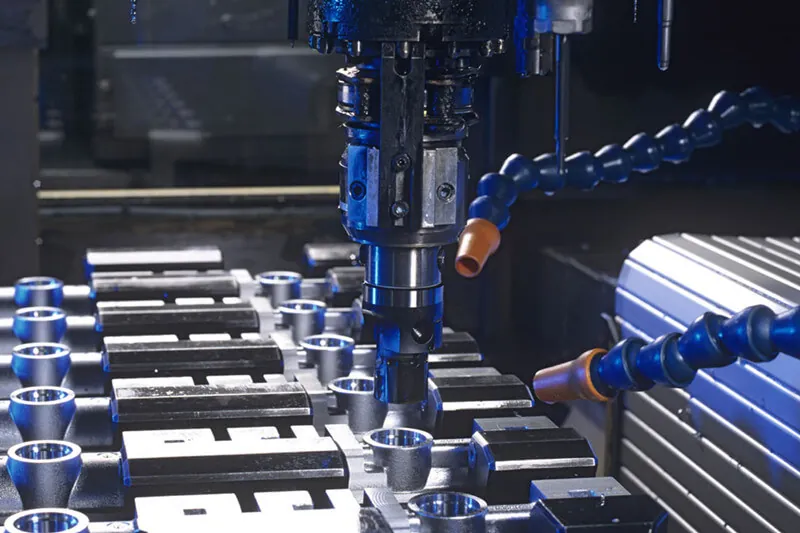
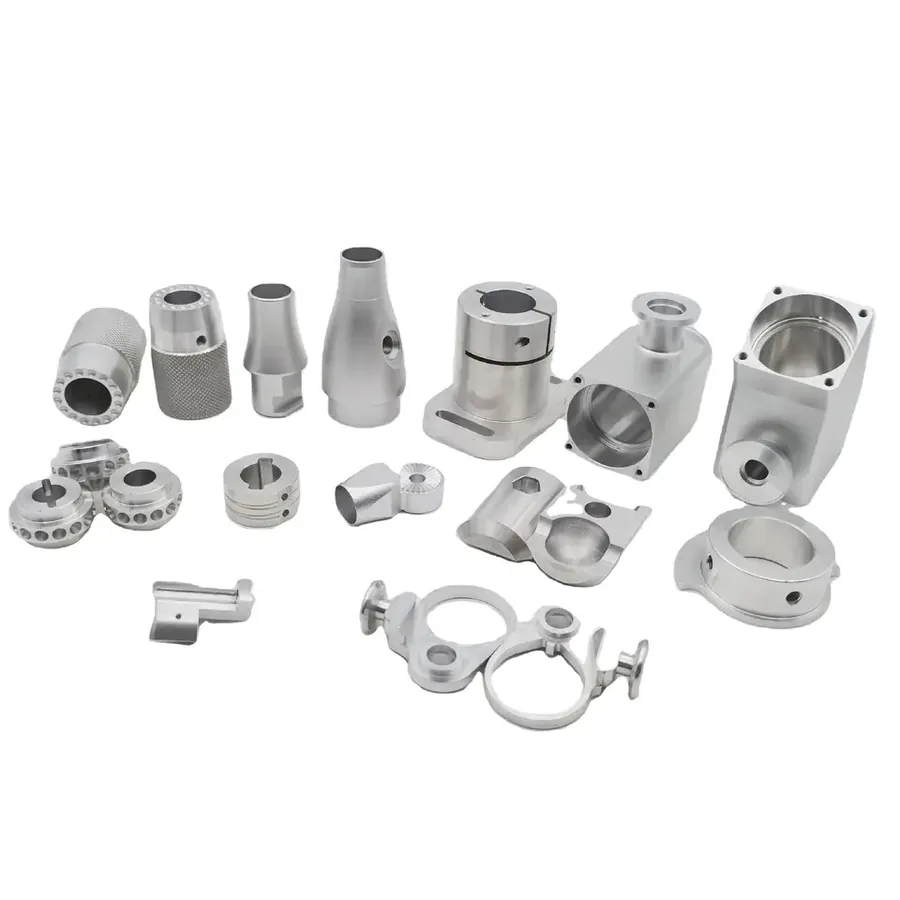
Wuxi Lead Precision Machinery delivers advanced technical capabilities in custom metal manufacturing, engineered to meet the stringent demands of high-performance industries such as aerospace, medical, and precision automation. At the core of our production infrastructure is a fully integrated suite of all-electric injection moulding machines, paired with state-of-the-art 5-axis CNC machining centers. This combination enables us to produce complex, high-precision metal components with exceptional repeatability, surface finish, and dimensional accuracy.
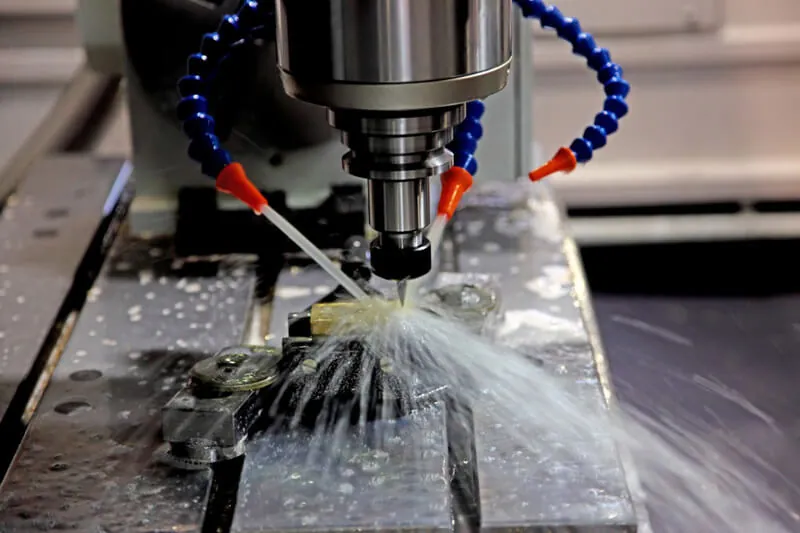
Our all-electric injection moulding systems offer superior control over the molding process by eliminating hydraulic variables, resulting in consistent energy efficiency, reduced thermal expansion, and minimized maintenance downtime. These machines are synchronized with real-time monitoring software that tracks pressure, temperature, and cycle time at millisecond intervals, ensuring every molded part adheres to exact specifications. When combined with our 5-axis CNC machining capability, we achieve multi-faceted precision on intricate geometries that traditional 3-axis systems cannot replicate. This allows for single-setup machining of complex contours, undercuts, and tight-tolerance features, reducing human error and improving throughput.
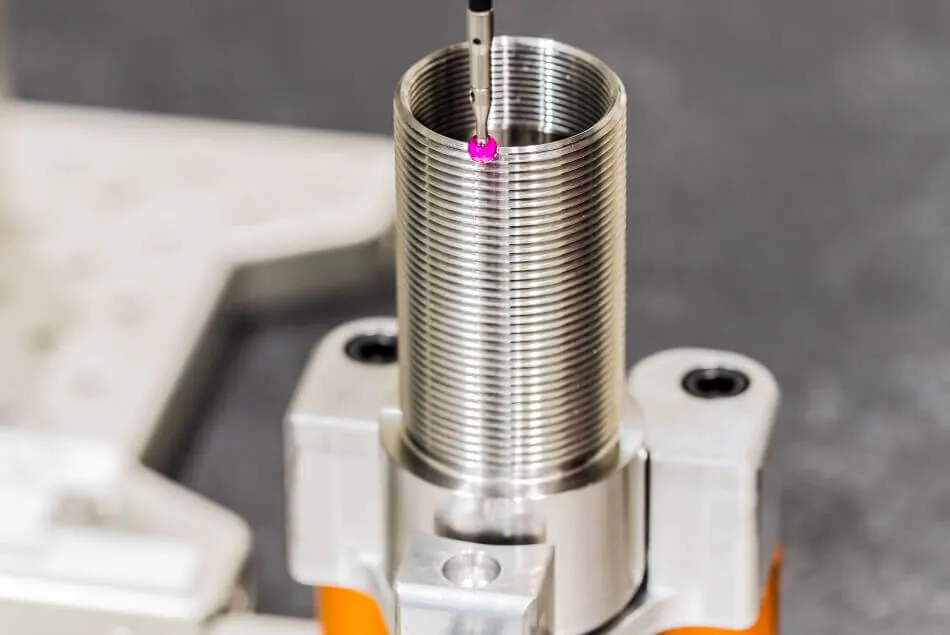
Quality assurance is embedded into every phase of production. Our dedicated metrology lab is equipped with a Zeiss DuraMax Bridge-type Coordinate Measuring Machine (CMM), enabling non-contact and tactile probing for full 3D dimensional verification. All critical features are inspected against CAD models using PC-DMIS software, ensuring compliance with ISO 10360 standards. In addition to first-article inspection reports (FAIR), we provide comprehensive process validation, including SPC data and traceability documentation for batch-critical applications.
The integration of all-electric molding, 5-axis CNC processing, and CMM-based quality control allows Wuxi Lead to achieve industry-leading tolerances across a broad range of materials, including aluminum alloys, stainless steel, and high-strength engineering composites. Our production environment is ISO 9001-certified, with climate-controlled machining and inspection zones to mitigate thermal drift and ensure long-term repeatability.
The following table outlines typical achievable tolerances under standard production conditions:
| Feature Type | Standard Tolerance | High-Precision Capability | Measurement Method |
|---|---|---|---|
| Linear Dimensions | ±0.025 mm | ±0.005 mm | CMM, High-Accuracy Micrometer |
| Geometric Tolerances | ±0.03 mm (GD&T) | ±0.01 mm | CMM with CAD Comparison |
| Surface Roughness (Ra) | 1.6 µm | 0.4 µm | Surface Profilometer |
| Hole Diameter | ±0.02 mm | ±0.008 mm | Air Gauge, CMM |
| Positional Accuracy | ±0.02 mm | ±0.005 mm | CMM, Optical Comparator |
| Angular Features | ±0.05° | ±0.01° | CMM, Precision Sine Plate |
These capabilities position Wuxi Lead Precision Machinery as a trusted partner for clients requiring mission-critical metal components where precision, consistency, and technical rigor are non-negotiable.
Material & Finish Options

Material Selection for All-Electric Injection Moulding Machine Components
Selecting the optimal materials for critical components in all-electric injection moulding machines directly impacts precision, energy efficiency, longevity, and total cost of ownership. At Wuxi Lead Precision Machinery, our engineering team prioritizes material science to ensure machines meet stringent industrial demands while maximizing ROI for custom metal manufacturing applications. The core structural and functional elements—such as platens, tie bars, screw barrels, and mold mounting plates—require careful evaluation of mechanical properties, thermal behavior, and environmental resistance. Aluminum, steel, and titanium each offer distinct advantages, but their suitability depends entirely on the machine’s operational profile and the specific manufacturing environment.
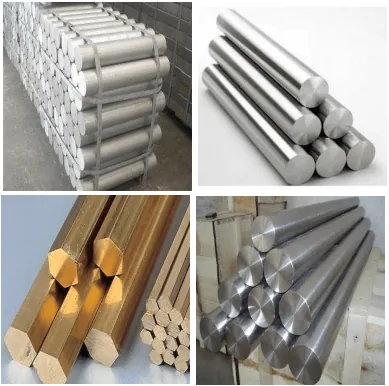
Aluminum alloys (e.g., 7075-T6) are ideal for non-load-bearing structural parts where weight reduction is critical. Their low density enhances dynamic response in servo-driven systems, directly contributing to the energy efficiency hallmark of all-electric platforms. However, aluminum’s lower hardness necessitates protective surface treatments like anodizing to resist abrasion and corrosion in high-humidity or chemically aggressive settings. Steel, particularly hardened tool steels (e.g., H13) or pre-hardened P20, remains the standard for high-wear components like clamp units and injection screws. Its superior strength, thermal stability, and fatigue resistance ensure micron-level repeatability over millions of cycles, though it demands rigorous corrosion protection. Titanium alloys (e.g., Ti-6Al-4V) are reserved for extreme applications requiring exceptional strength-to-weight ratios and near-immunity to corrosion, such as in aerospace-grade molding cells, despite significantly higher material and machining costs.
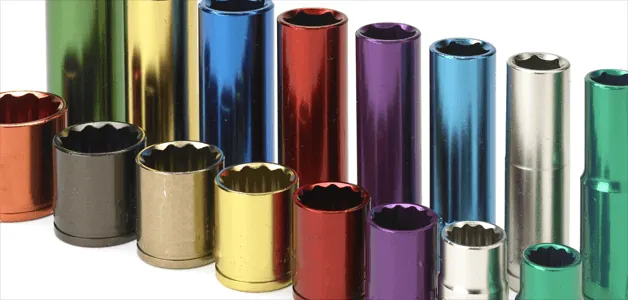
Anodizing is non-negotiable for aluminum components exposed to operational stressors. This electrochemical process creates a dense, non-conductive oxide layer that dramatically improves surface hardness (up to 600 HV), wear resistance, and corrosion protection. Type III (hard coat) anodizing is essential for moving parts, while Type II offers adequate protection for static housings. Crucially, anodized surfaces maintain dimensional stability—critical for maintaining tight tolerances in precision-guided all-electric systems—without adding thermal distortion risks associated with some plating methods.
Material performance must align with machine duty cycles. Below is a comparative overview of key properties:
| Material | Density (g/cm³) | Hardness (HV) | Corrosion Resistance | Cost Factor | Primary Applications in All-Electric Machines |
|---|---|---|---|---|---|
| Aluminum 7075 | 2.8 | 150 | Low (Requires Anodizing) | 1.0 | Machine frames, covers, non-critical plates |
| Steel H13 | 7.8 | 500 | Moderate | 1.8 | Tie bars, clamp plates, injection units |
| Titanium Ti-6Al-4V | 4.4 | 350 | Excellent | 5.0+ | High-end aerospace molds, corrosive environments |
Partner with Wuxi Lead to optimize material selection for your production intensity. We conduct failure-mode analysis and lifecycle costing to match material properties with your throughput requirements, ensuring your all-electric machine delivers uncompromised precision and uptime. Contact our engineering team for a tailored material specification review.
Manufacturing Process & QC

The production process for all-electric injection moulding machines at Wuxi Lead Precision Machinery follows a rigorously controlled sequence designed to achieve zero defects and ensure the highest performance standards in custom metal manufacturing. This process begins with the Design phase, where engineering precision meets application-specific requirements. Our team of CNC engineers and mechanical designers collaborates closely with clients to translate functional objectives into detailed 3D CAD models. Finite element analysis (FEA) and mold flow simulations are employed to optimize structural integrity, thermal distribution, and cycle efficiency. Material compatibility, wear resistance, and long-term durability are evaluated at this stage to ensure the final machine meets the demands of high-speed, high-precision production environments.
Following design validation, the Prototyping phase commences. A fully functional prototype is manufactured using the same high-grade alloy steels and CNC machining processes intended for mass production. This ensures accurate representation of mechanical behavior, alignment tolerances, and servo-driven responsiveness. The prototype undergoes comprehensive performance testing, including energy consumption analysis, repeatability checks under load, and thermal stability assessments. All electric drive systems—servo motors, ball screws, and linear guides—are calibrated and verified for micron-level positioning accuracy. Feedback from testing is integrated into final design refinements, ensuring any potential deviation is eliminated before scale-up.
Mass Production is executed in a controlled, ISO-certified facility with full traceability at every station. Each component is machined using 5-axis CNC centers with in-process probing to maintain tolerances within ±0.002 mm. Assembly takes place in a cleanroom environment to prevent contamination of sensitive electrical and hydraulic components. Every machine undergoes a 72-hour continuous runtime test under simulated production loads, monitoring for vibration, temperature drift, and energy efficiency. Real-time data logging enables predictive correction and ensures conformance to zero-defect criteria. Final inspection includes laser alignment verification and full electrical safety certification.
Throughout the entire production cycle, Wuxi Lead applies Six Sigma principles and Statistical Process Control (SPC) to minimize variability. Our commitment to zero defects is reinforced by end-to-end documentation, component serialization, and client-accessible quality reports.
| Specification | Detail |
|---|---|
| Machine Type | All-Electric Injection Moulding |
| Clamping Force Range | 80–2000 Tons |
| Positioning Accuracy | ±0.001 mm |
| Repeatability | ±0.003 mm |
| Energy Efficiency | 30–50% reduction vs. hydraulic systems |
| Control System | Siemens or Mitsubishi CNC with IoT integration |
| Lead Time (Mass Production) | 8–12 weeks after prototype approval |
| Compliance Standards | ISO 9001, CE, GB/T 26188-2010 |
This disciplined approach from design through to mass production ensures that every all-electric injection moulding machine delivered by Wuxi Lead Precision Machinery meets the exacting demands of advanced manufacturing industries, including automotive, medical, and precision electronics.
Why Choose Wuxi Lead Precision
Partner with Lead Precision: Your Precision Injection Molding Engineering Partner
In the demanding landscape of high-end custom metal manufacturing, component integrity and process efficiency are non-negotiable. Standard injection molding solutions often fall short when faced with the stringent tolerances, complex geometries, and material sensitivities inherent in precision metal part production. Wuxi Lead Precision Machinery exists to bridge this gap. We are not merely a machine supplier; we are your dedicated engineering partner, specializing in the integration of advanced all-electric injection molding technology specifically optimized for the unique challenges of metal manufacturing workflows. Our focus is on delivering measurable improvements in part quality, process stability, and operational cost savings for your most critical applications.
Technical Excellence Through Precision Engineering
Our all-electric injection molding platforms are engineered from the ground up for the rigors of precision manufacturing. Unlike hydraulic alternatives, they eliminate fluid contamination risks, provide superior repeatability, and offer granular control over every phase of the molding cycle – crucial for achieving the dimensional accuracy and surface finish required in metal components. The inherent stability of electric drive systems ensures consistent pressure and speed profiles, directly translating to reduced scrap rates and minimized post-processing needs for your metal inserts or overmolded assemblies. Consider the tangible advantages embedded within our core technology:
| Parameter | Value | Advantage for Metal Manufacturing |
|---|---|---|
| Energy Consumption | Up to 30% Reduction | Significant operational cost savings vs. hydraulic systems |
| Repeatability | Sub-0.01mm | Ensures consistent part dimensions critical for metal assemblies |
| Injection Control | Closed-loop, Nanometer | Perfect for delicate metal inserts and thin-wall features |
| Cleanroom Compatibility | ISO Class 5 Achievable | Eliminates hydraulic oil risk; essential for sensitive metal parts |
| Maintenance Intervals | Extended by 40%+ | Maximizes uptime for continuous production runs |
This precision translates directly to your bottom line. Reduced energy costs, lower scrap rates due to unmatched process stability, minimized downtime from simplified maintenance, and the ability to consistently hit tight tolerances without secondary operations deliver a compelling return on investment. Our engineering team works collaboratively with yours from the initial feasibility study through to full production ramp-up. We analyze your specific component requirements, material properties, and production goals to configure the optimal machine parameters and tooling interface, ensuring seamless integration into your existing metal manufacturing ecosystem.
The path to superior metal component production begins with the right partnership. Wuxi Lead Precision Machinery combines deep application expertise in metal manufacturing with cutting-edge all-electric injection molding technology. We provide the precision engineering, responsive support, and long-term commitment your high-value production demands. Do not compromise on the foundation of your component quality and efficiency.
Contact our precision engineering team today to discuss how our all-electric injection molding solutions can be tailored to elevate your metal manufacturing capabilities. Let us optimize your production for uncompromising quality and performance.
[email protected]
Senior CNC Engineer & Sales Director, Wuxi Lead Precision Machinery
⚙️ Precision Cost Estimator
Estimate relative manufacturing effort based on tolerance.