Aluminum Sheet Metal Fabrication Manufacturer | Precision CNC Guide

Engineering Guide: Aluminum Sheet Metal Fabrication

aluminum sheet metal fabrication manufacturing

Engineering Insight: Precision in Aluminum Sheet Metal Fabrication

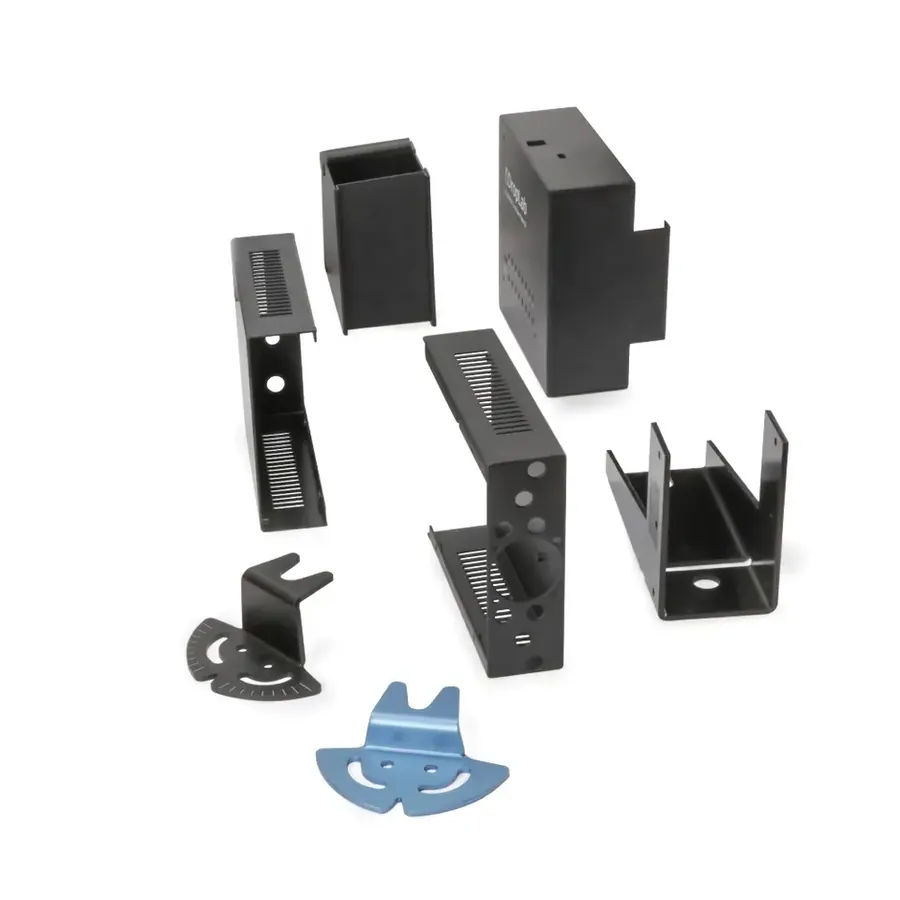
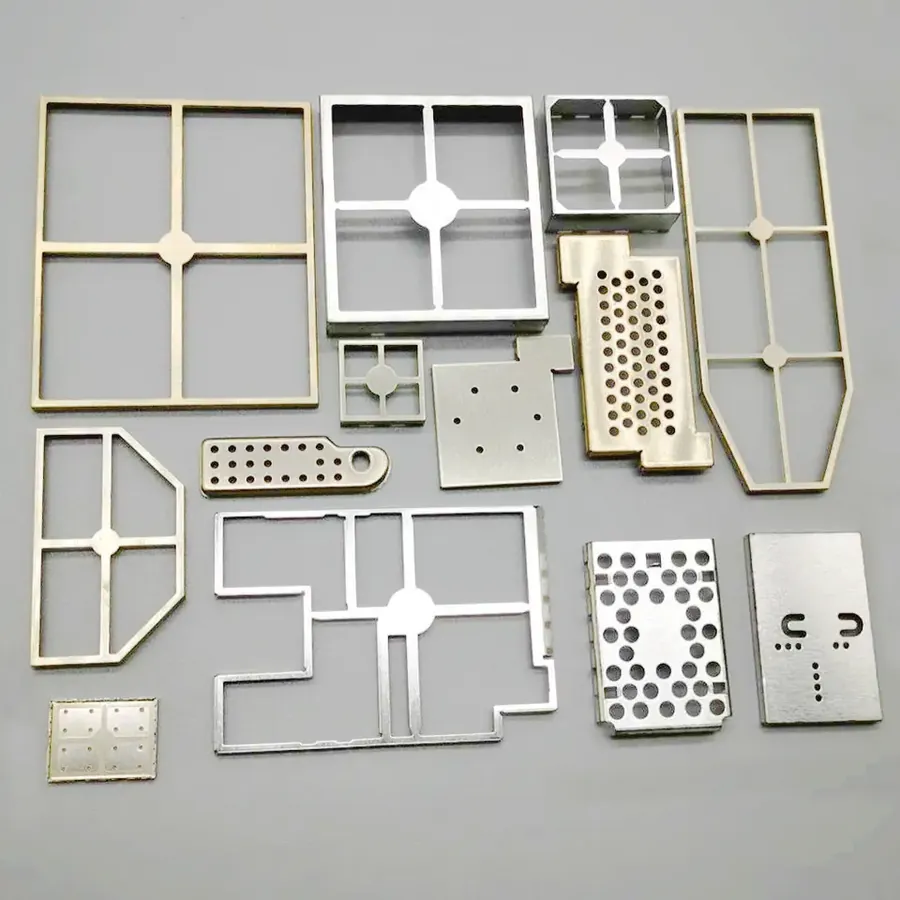
Aluminum sheet metal fabrication stands at the intersection of material science, mechanical engineering, and advanced manufacturing. As industries from aerospace to high-performance automotive demand lighter, stronger, and more thermally efficient components, aluminum has emerged as a material of choice. However, its advantages—low density, high strength-to-weight ratio, and excellent corrosion resistance—are only fully realized when fabrication is executed with uncompromising precision.

At Wuxi Lead Precision Machinery, we understand that precision in aluminum fabrication is not merely a quality benchmark—it is a functional necessity. Aluminum’s unique properties, including its high thermal conductivity and tendency to expand under heat, require meticulous control during cutting, bending, and welding. Even minor deviations in tool path or thermal input can result in warping, dimensional inaccuracies, or compromised structural integrity. This is especially critical in applications where tolerances are measured in microns and failure is not an option.

Our engineering team leverages decades of accumulated expertise in high-tolerance aluminum fabrication, developed through partnerships with clients in elite sectors such as Olympic-grade sports equipment and military defense systems. These projects demand not only adherence to international standards but also the ability to innovate within tightly constrained performance envelopes. Whether producing lightweight chassis components for unmanned aerial vehicles or precision enclosures for sensitive avionics, our processes are built around repeatable accuracy and material integrity.

One of the core challenges in aluminum sheet metal work is maintaining consistency across batches. Variability in alloy composition, grain orientation, and surface finish can all influence final part performance. To address this, Wuxi Lead employs a closed-loop manufacturing system integrating CNC laser cutting, automated bending cells, and real-time metrology. All equipment is calibrated to ISO 2768-mK standards, and every stage of production is monitored using coordinate measuring machines (CMM) and optical inspection systems.

Our facility specializes in processing a wide range of aluminum alloys, with a focus on 5000 and 6000 series materials known for their weldability and structural performance. Below are key fabrication capabilities for aluminum sheet metal at Wuxi Lead:

Parameter Specification
Material Thickness Range 0.5 mm – 6.0 mm
Tolerance (Cutting) ±0.1 mm
Tolerance (Bending) ±0.2° angular, ±0.1 mm linear
Maximum Part Size 1500 mm × 3000 mm
Alloy Compatibility 5052, 5083, 6061, 6063, 7075 (on request)
Surface Finish Options Mill finish, anodized, powder-coated, brushed
Welding Processes TIG, MIG, Spot Welding (with purged environments)

Precision in aluminum fabrication is not achieved through equipment alone—it is the result of disciplined process engineering, skilled craftsmanship, and a culture of continuous improvement. At Wuxi Lead Precision Machinery, we combine these elements to deliver components that meet the most exacting performance criteria, ensuring reliability in mission-critical applications across global industries.


Precision Specs & Tolerances

aluminum sheet metal fabrication manufacturing

Advanced Technical Capabilities for Precision Aluminum Sheet Metal Fabrication

Wuxi Lead Precision Machinery delivers uncompromising precision in aluminum sheet metal fabrication through integrated advanced manufacturing and metrology systems. Our core strength lies in seamlessly executing complex geometries and tight-tolerance components critical for aerospace, medical, and semiconductor applications. Mastery of aluminum’s unique properties—its thermal sensitivity, tendency for burring, and springback characteristics—is embedded in every process parameter we employ. This expertise ensures dimensional stability and surface integrity from raw material to finished part, directly supporting our clients’ stringent performance and reliability requirements.

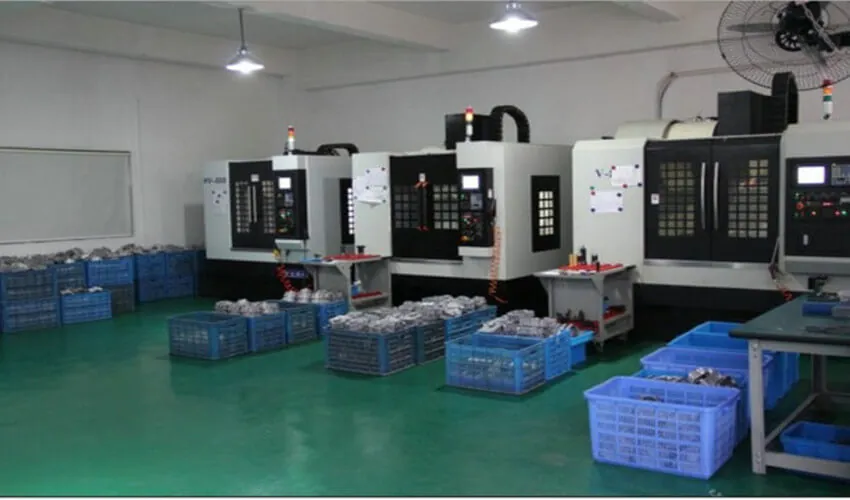
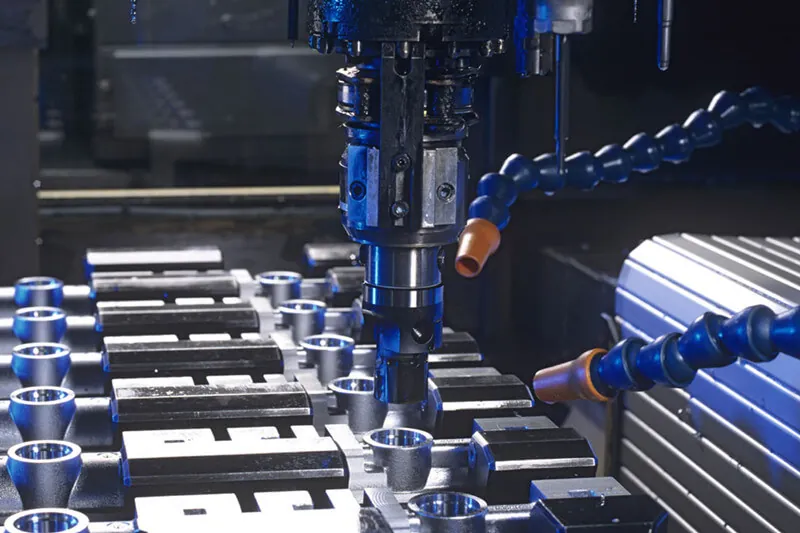
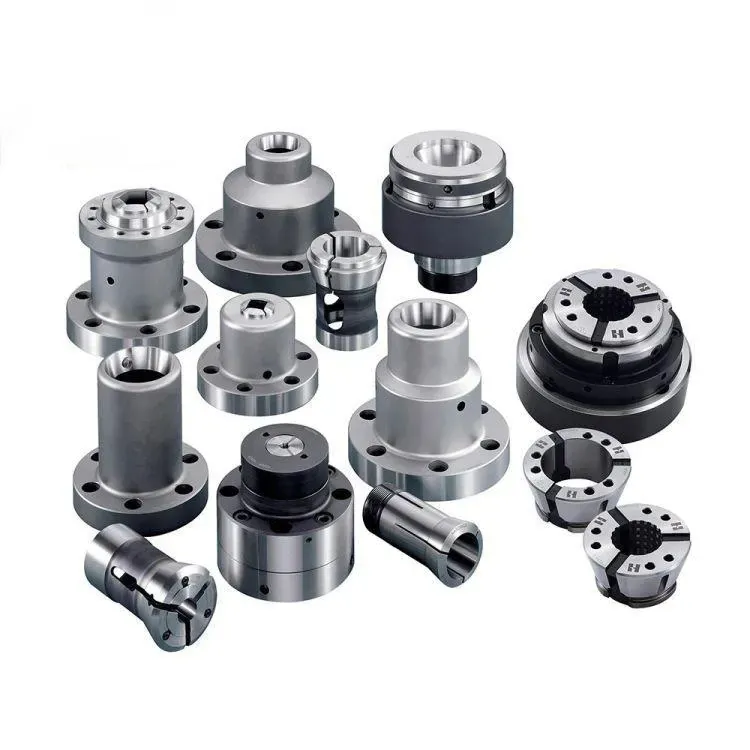
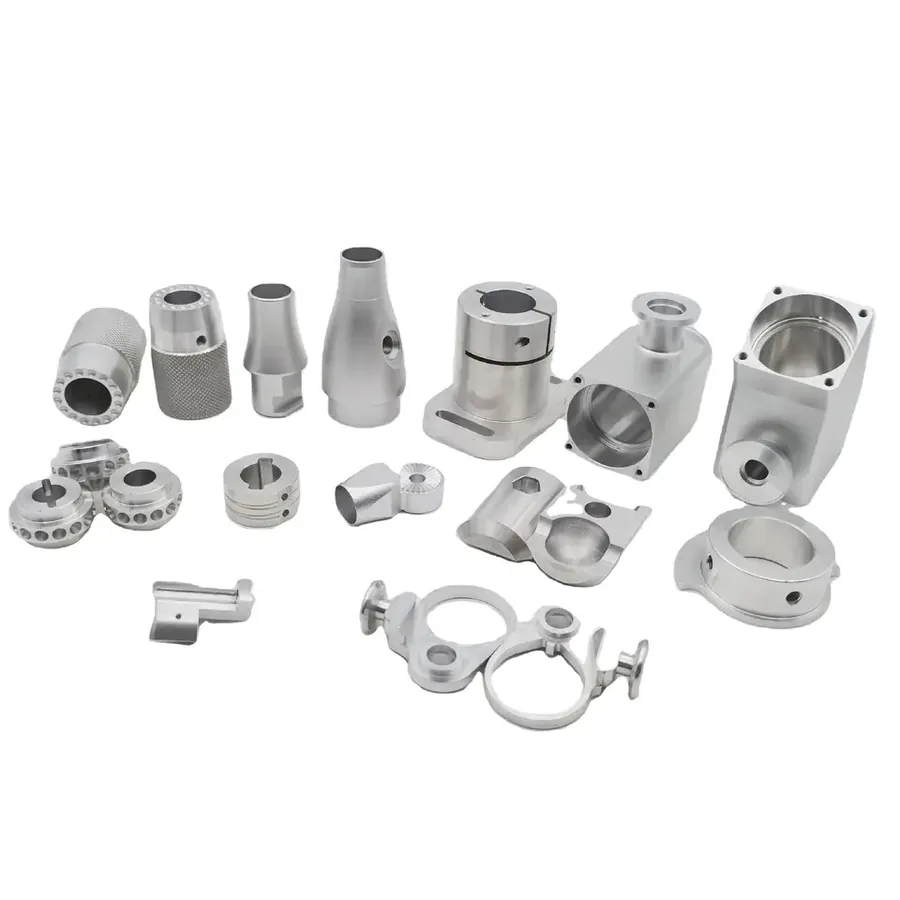
Our 5-axis CNC machining centers form the technological backbone of this capability. These systems perform simultaneous multi-directional milling, drilling, and contouring on aluminum sheets and formed parts within a single setup. This eliminates cumulative errors inherent in multi-stage operations, significantly reducing lead times while achieving intricate features impossible with conventional 3-axis methods. High-speed spindles coupled with adaptive toolpath strategies optimize material removal rates for aluminum alloys, minimizing heat generation and work hardening to preserve material properties. Integrated thermal compensation algorithms actively counteract thermal drift, maintaining sub-micron repeatability throughout extended production runs essential for high-mix, low-volume manufacturing demands.

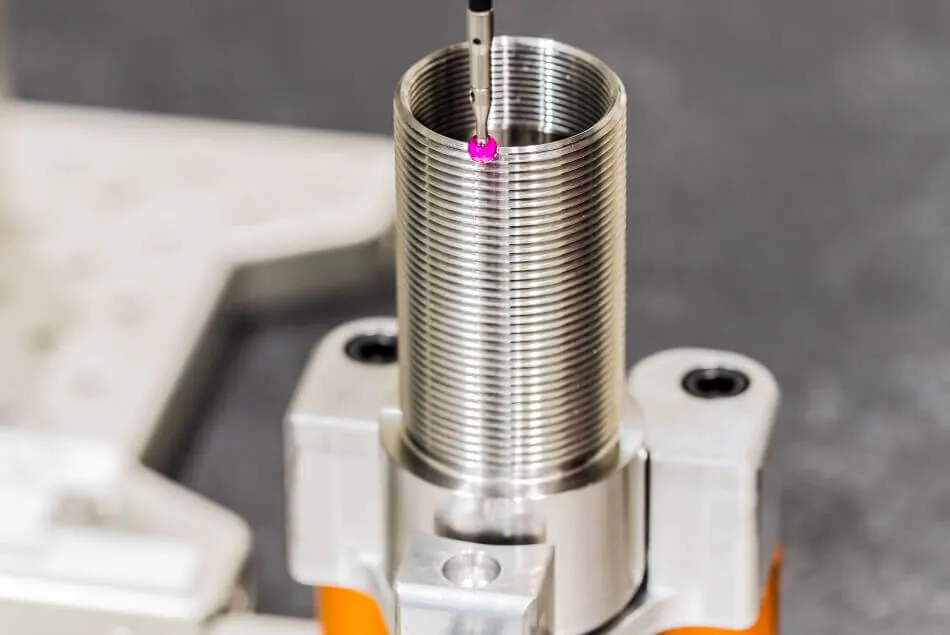
Rigorous quality verification is non-negotiable. Every critical dimension undergoes validation using Zeiss CONTURA CMM systems operating in a climate-controlled metrology lab. These coordinate measuring machines provide traceable, NIST-certified measurements with resolutions down to 0.5 microns, capturing full 3D geometry data against CAD models. Our inspection protocols extend beyond simple pass/fail checks; we generate comprehensive GD&T analysis reports identifying potential root causes for any deviation. This data-driven approach enables proactive process correction and provides clients with irrefutable evidence of conformance to their exact specifications, significantly reducing downstream assembly errors and field failures.

The following table details achievable tolerance ranges for common aluminum fabrication processes under controlled production conditions. Actual capabilities may vary based on specific alloy, part geometry, and feature complexity.

Process Typical Tolerance Range Critical Influencing Factors
5-Axis CNC Milling ±0.005 mm to ±0.025 mm Feature depth, tool rigidity, fixture stability, thermal management
Laser Cutting ±0.05 mm to ±0.1 mm Material thickness, assist gas purity, kerf width compensation
Precision Bending ±0.1° to ±0.25° Springback prediction, tooling wear, material grain direction
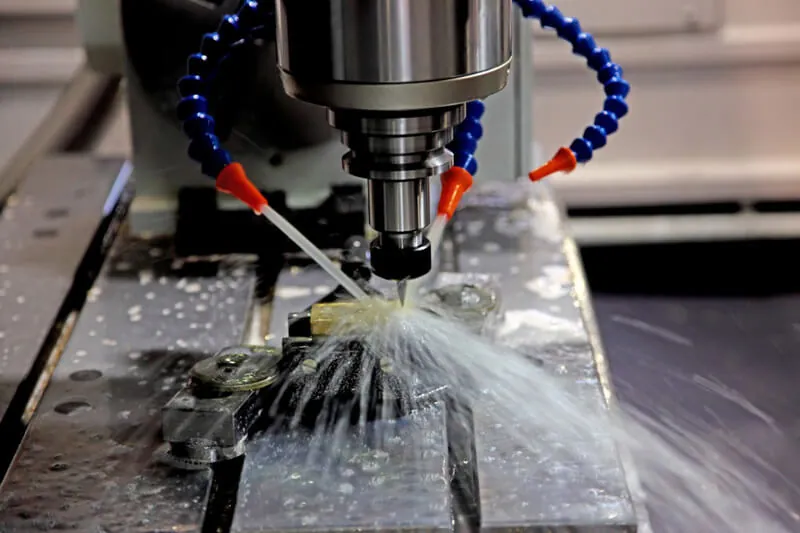
Hole Drilling/Tapping ±0.01 mm to ±0.03 mm Tool geometry, pecking strategy, coolant application
CMM Inspection Measurement Uncertainty < 1.5 µm + L/300 Machine calibration frequency, probe qualification, environmental control

This integrated capability—combining sophisticated 5-axis machining with metrology-grade verification—ensures that every aluminum component leaving our facility meets the exacting standards demanded by high-value industries. We transform complex engineering requirements into reality with documented precision, providing clients not just parts, but guaranteed performance and reduced total cost of ownership through first-time quality.


Material & Finish Options

aluminum sheet metal fabrication manufacturing

Material Selection in Precision Sheet Metal Fabrication

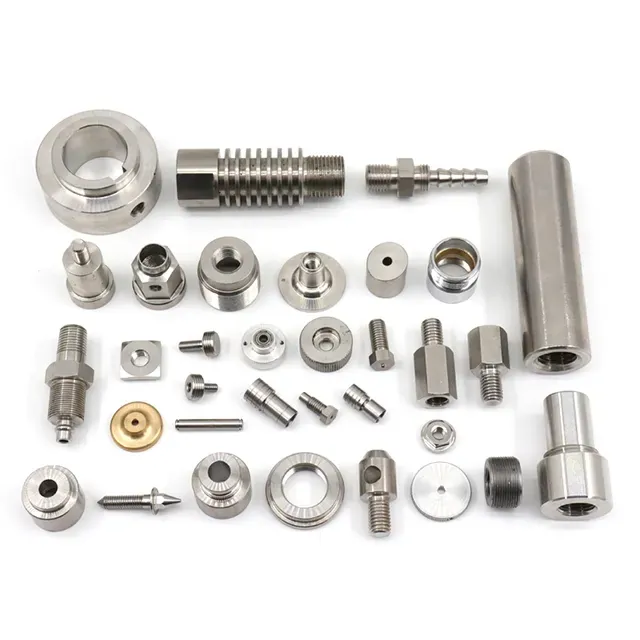
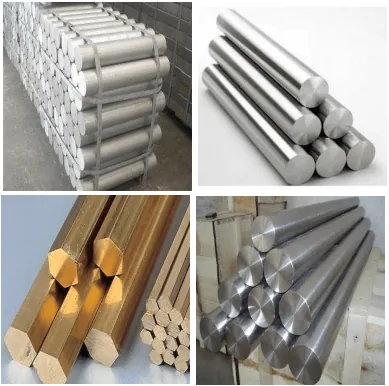
Selecting the appropriate material is a foundational decision in high-precision sheet metal fabrication, directly influencing performance, durability, and cost-efficiency. At Wuxi Lead Precision Machinery, we specialize in manufacturing components from aluminum, steel, and titanium—each offering distinct advantages depending on application requirements. Understanding the mechanical properties, environmental resistance, and fabrication behavior of these materials ensures optimal part functionality and longevity.

Aluminum is widely favored in industries such as aerospace, electronics, and transportation due to its excellent strength-to-weight ratio, corrosion resistance, and thermal conductivity. It is particularly well-suited for applications demanding lightweight yet rigid structures. Among the most commonly used grades are 5052, 6061, and 7075, each tailored for different performance criteria. 5052 offers superior formability and weldability, making it ideal for complex bends and enclosures. 6061 provides balanced mechanical properties and is often selected for structural components. 7075, while less weldable, delivers high tensile strength, suitable for high-stress environments.

Steel remains the standard for applications requiring high strength, impact resistance, and cost-effective scalability. Mild steel (e.g., A36) is easily machined and welded, commonly used in industrial enclosures and support frames. Stainless steel grades such as 304 and 316 offer enhanced corrosion resistance and aesthetic appeal, making them ideal for medical devices, food processing equipment, and marine applications.

Titanium is reserved for extreme environments where strength, temperature resistance, and minimal weight are critical. Its exceptional performance in aerospace and defense applications justifies its higher cost and more challenging fabrication process. Titanium’s low thermal conductivity requires specialized tooling and slower machining parameters to prevent work hardening.

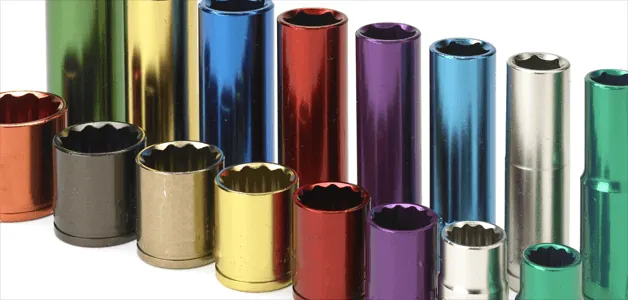
Surface finish selection further enhances material performance. Anodizing is a premier finish for aluminum components, creating a durable, corrosion-resistant oxide layer that can be dyed for identification or aesthetic purposes. Type II (sulfuric acid) anodizing is standard for general protection and appearance, while Type III (hardcoat anodizing) delivers enhanced wear resistance for functional surfaces. All anodizing processes at Wuxi Lead are strictly controlled to meet MIL-A-8625 standards.

Below is a comparative overview of key material specifications:

Material Typical Grades Tensile Strength (MPa) Density (g/cm³) Key Applications Common Finishes
Aluminum 5052, 6061, 7075 200–570 2.7 Aerospace, Electronics Anodizing, Powder Coating
Steel A36, 304, 316 400–900 7.8 Industrial, Automotive Zinc Plating, Painting
Titanium Grade 2, Grade 5 345–1000 4.5 Aerospace, Medical Bead Blasting, Passivation

At Wuxi Lead Precision Machinery, we support clients in matching material and finish combinations to operational demands, ensuring precision, reliability, and value in every fabricated component.


Manufacturing Process & QC

aluminum sheet metal fabrication manufacturing

Aluminum Sheet Metal Fabrication: Precision Production Process

At Wuxi Lead Precision Machinery, our aluminum sheet metal fabrication process is engineered for zero defects through seamless integration of design validation, rapid prototyping, and statistically controlled mass production. We address aluminum’s unique challenges—thermal expansion, springback, and burr formation—via predictive engineering and closed-loop monitoring.

Design begins with rigorous DFM (Design for Manufacturability) analysis using Siemens NX software. Our engineers simulate material behavior under stress, optimizing bend radii, hole placements, and weld sequences to prevent warping or cracking. Critical parameters like grain direction and anisotropy are modeled to counteract aluminum’s susceptibility to deformation. This phase reduces downstream errors by 73% through virtual validation of tolerances, tooling paths, and fixture requirements before physical work commences.

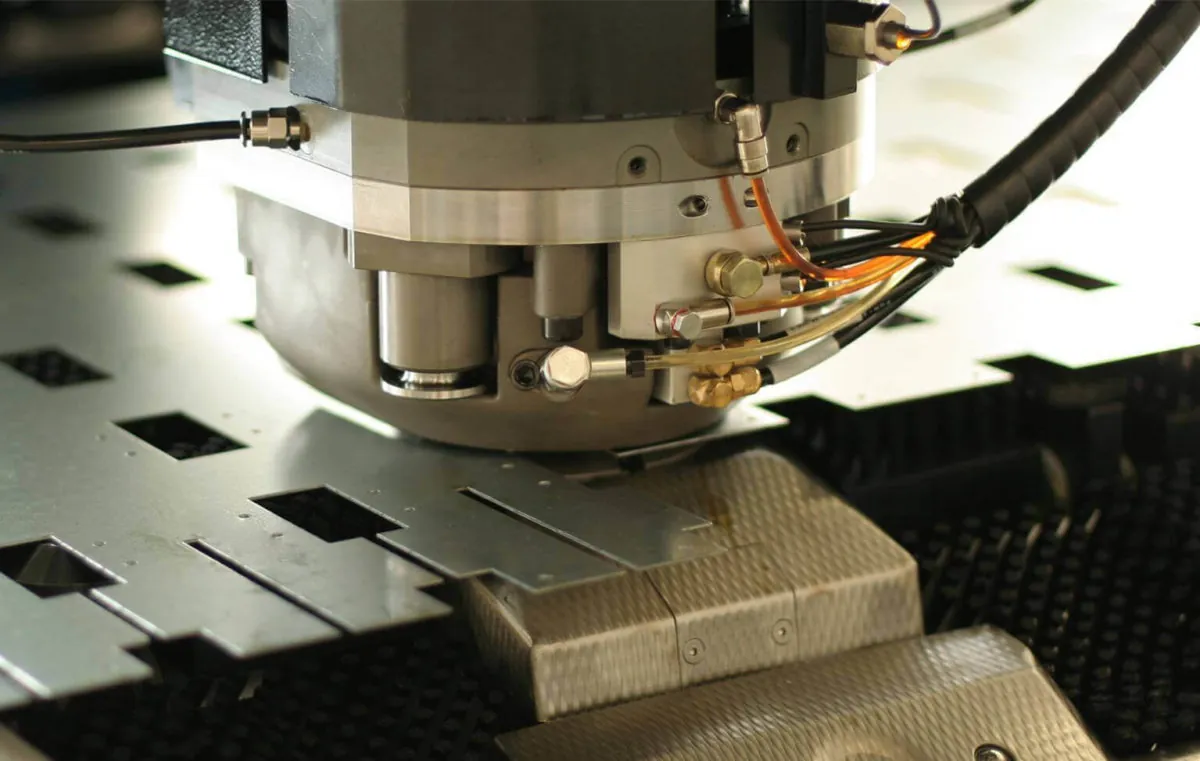
Prototyping leverages our in-house 5-axis CNC centers and laser cutters to produce functional samples within 72 hours. Each prototype undergoes CMM inspection against GD&T callouts, with deviations fed back into the digital twin for immediate design correction. We validate surface finish, dimensional stability after heat treatment, and assembly fit—ensuring the process blueprint meets aerospace or medical-grade standards before scaling.

Key Process Specifications

Phase Material Grades Thickness Range Tolerance Control Lead Time
Design 5052, 6061, 7075 0.5–6.0 mm ±0.05 mm (simulated) 2–5 days
Prototyping 5052, 6061 0.8–4.0 mm ±0.02 mm (CMM verified) 1–3 days
Mass Production 5052, 6061, 3003 0.5–5.0 mm ±0.01 mm (SPC monitored) As per PO

Mass production executes via automated cells with real-time SPC (Statistical Process Control). Our LeadQC system tracks critical variables—laser power stability, punch force consistency, and press brake angle repeatability—using IoT sensors. Any parameter drift beyond 1.33 Cpk triggers automatic machine recalibration, preventing defect propagation. Each batch includes first-article inspection and in-process audits per AS9100 protocols, with full traceability from coil lot to finished part.

This integrated workflow ensures near-zero defect rates (<50 PPM), eliminating scrap costs and accelerating time-to-market. By anchoring every phase in data-driven precision, Wuxi Lead delivers aluminum components that consistently meet the most stringent performance demands—without compromise. Partner with us to transform your design intent into flawless reality.


Why Choose Wuxi Lead Precision

Partner with Wuxi Lead Precision Machinery for Unmatched Aluminum Sheet Metal Fabrication Excellence

When your industrial projects demand precision, consistency, and technical mastery in aluminum sheet metal fabrication, choosing the right manufacturing partner is critical. At Wuxi Lead Precision Machinery, we specialize in delivering high-performance, custom-engineered solutions tailored to the exacting standards of global industries including aerospace, automotive, energy, and advanced electronics. With over a decade of expertise in precision sheet metal processing, we combine advanced CNC technology, rigorous quality control, and deep engineering insight to transform your designs into flawless reality.

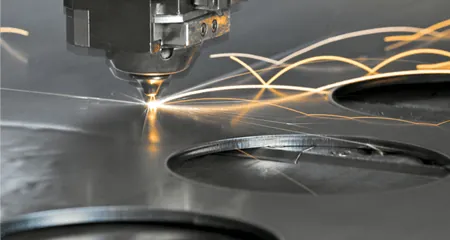
Our facility in Wuxi, China, is equipped with state-of-the-art fiber laser cutting systems, high-torque press brakes with automatic bending cells, and multi-axis CNC punching machines—all optimized for aluminum processing. We handle aluminum grades from 1050 to 7075, including aerospace-grade alloys, with strict control over grain direction, edge quality, and formability. Whether your requirement is low-volume prototypes or high-volume production runs, our flexible manufacturing system ensures rapid turnaround without compromising on dimensional accuracy or surface integrity.

What sets us apart is our engineering-first approach. Our team of CNC programmers and manufacturing engineers collaborates directly with your design team to perform Design for Manufacturability (DFM) analysis, ensuring optimal material utilization, minimal waste, and maximum structural performance. We support full documentation packages, including GD&T drawings, first-article inspection reports (FAIR), and PPAP submissions, making integration into your supply chain seamless and audit-ready.

We understand that reliability in delivery and consistency in quality are non-negotiable in high-stakes industries. That’s why every aluminum component we produce undergoes in-process and final inspections using coordinate measuring machines (CMM), laser scanners, and surface roughness testers. Our ISO 9001:2015-certified quality management system ensures full traceability from raw material to finished part.

Below are key technical capabilities for aluminum sheet metal fabrication at Wuxi Lead Precision Machinery:

Specification Detail
Material Thickness Range 0.5 mm – 12.0 mm
Maximum Sheet Size 1500 mm × 3000 mm
Laser Cutting Accuracy ±0.1 mm
Bending Tolerance ±0.2°, ±0.1 mm
Supported Aluminum Alloys 1050, 3003, 5052, 6061, 6082, 7075
Surface Finishes Mill finish, anodized, powder coated, brushed, chem-film
Secondary Operations Welding (TIG/MIG), fastening, tapping, assembly

Partnering with Wuxi Lead Precision Machinery means gaining a long-term manufacturing ally committed to innovation, quality, and on-time delivery. We don’t just fabricate parts—we engineer solutions that enhance your product performance and reduce total production cost.

For engineering consultations, project quotes, or technical documentation, contact us today at [email protected]. Let’s build precision together.


⚙️ Precision Cost Estimator

Estimate relative manufacturing effort based on tolerance.

Aluminum Sheet Metal Fabrication Manufacturer | Precision CNC Guide

Contents of Table

Contact [email protected] Whatsapp 86 15951276160