Technical Contents
Engineering Guide: Corner Moulding Plastic

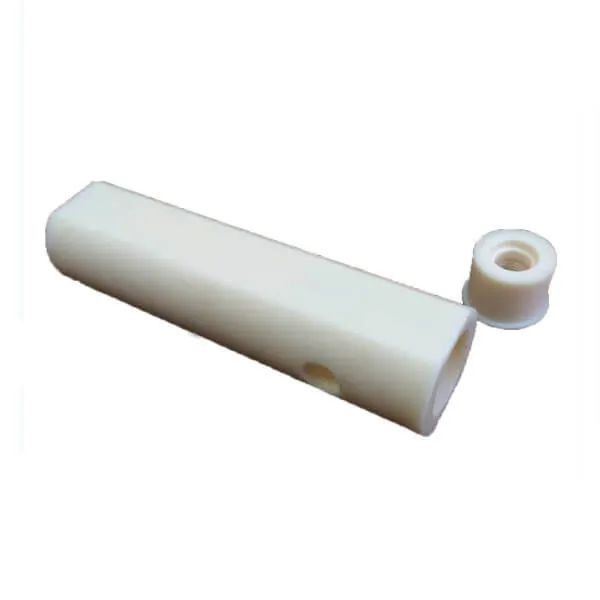
Engineering Insight: Precision Imperatives in Corner Moulding Plastic Components
Achieving flawless corner moulding in plastic components represents a critical engineering challenge within high-integrity metal-plastic hybrid assemblies. The geometric transition at corners inherently concentrates stress, creates potential flow lines during moulding, and significantly impacts dimensional stability and final fit. In applications demanding seamless integration with precision metal substructures—such as aerospace enclosures, medical device housings, or military-grade equipment—microscopic deviations at these junctures compromise structural integrity, sealing performance, and aesthetic finish. Tolerances exceeding ±0.05mm can induce gapping, misalignment, or premature material fatigue, leading to field failures in demanding operational environments. This necessitates manufacturing processes capable of maintaining absolute geometric fidelity throughout complex 3D contours.
Wuxi Lead Precision Machinery leverages decades of advanced CNC machining and moulding expertise specifically honed for such critical interfaces. Our engineering approach integrates multi-axis precision milling for mould cavities with real-time process monitoring during plastic forming, ensuring corner radii, angles, and surface continuity meet exacting specifications. We understand that corner quality is not merely cosmetic; it directly influences thermal expansion behavior, vibration resistance, and long-term reliability when bonded or mechanically fastened to metal frameworks. This precision is non-negotiable in sectors where failure carries severe consequences.
Our proven capability is validated through stringent projects including components for Olympic venue infrastructure requiring zero-defect assembly under extreme environmental cycling and mission-critical military hardware subjected to rigorous shock, vibration, and temperature testing protocols. These experiences cement our methodology for corner moulding plastic: treating every radius and edge transition as a primary functional feature, not a secondary detail.
The following table outlines key precision parameters we consistently achieve for corner moulding plastic applications integrated with custom metal assemblies:
| Parameter | Standard Capability | High-Precision Capability | Measurement Method |
|---|---|---|---|
| Corner Radius Tolerance | ±0.10 mm | ±0.025 mm | Optical Comparator |
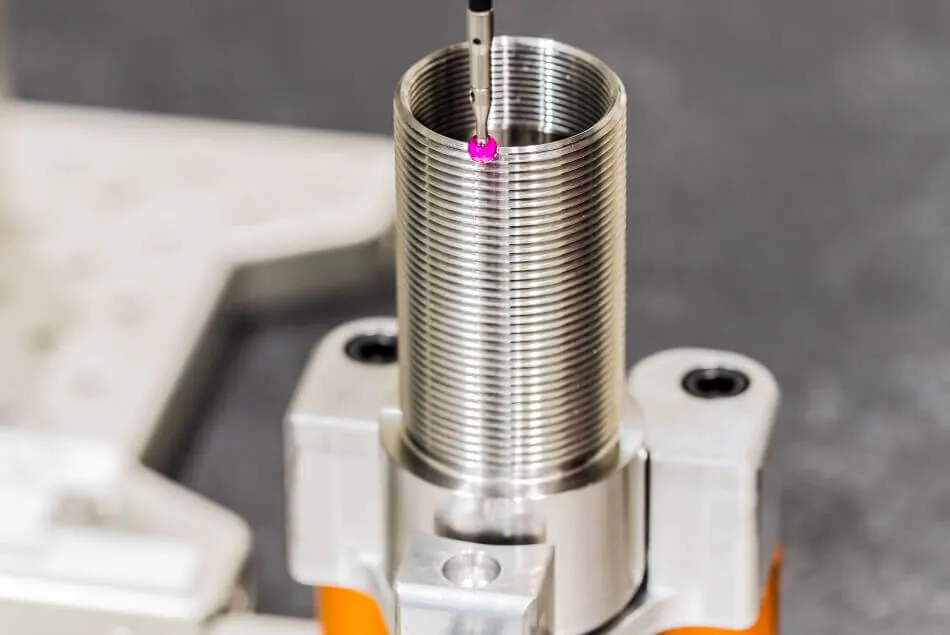
| Angular Deviation | ±0.5° | ±0.1° | CMM with Articulating Probe |
| Surface Roughness (Ra) | 1.6 µm | 0.4 µm | Profilometer |
| Dimensional Stability (Δ) | ±0.15% | ±0.05% | Climate-Controlled CMM |
| Interfacial Flatness | 0.10 mm | 0.03 mm | Laser Interferometry |
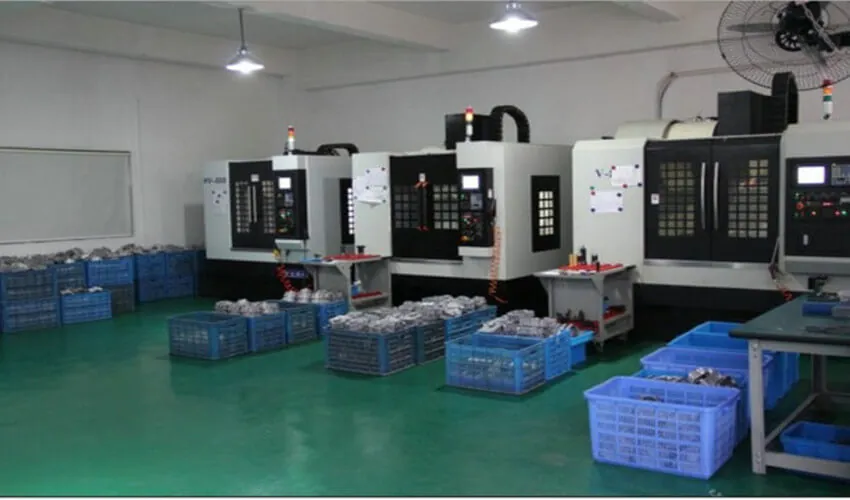
This level of control originates from our integrated facility in Wuxi, where metal fabrication and plastic component finishing occur under unified quality management. We apply the same metrology rigor used for titanium aerospace brackets to polycarbonate corner mouldings—ensuring plastic elements meet the uncompromising standards expected of the metal assemblies they complement. For B2B manufacturers requiring plastic components that perform as reliably as their metal counterparts within complex systems, precision corner execution is the definitive benchmark. Wuxi Lead Precision Machinery delivers this benchmark consistently, backed by demonstrable success in the world’s most demanding applications. Partner with us to transform critical corner interfaces from potential failure points into engineered advantages.
Precision Specs & Tolerances

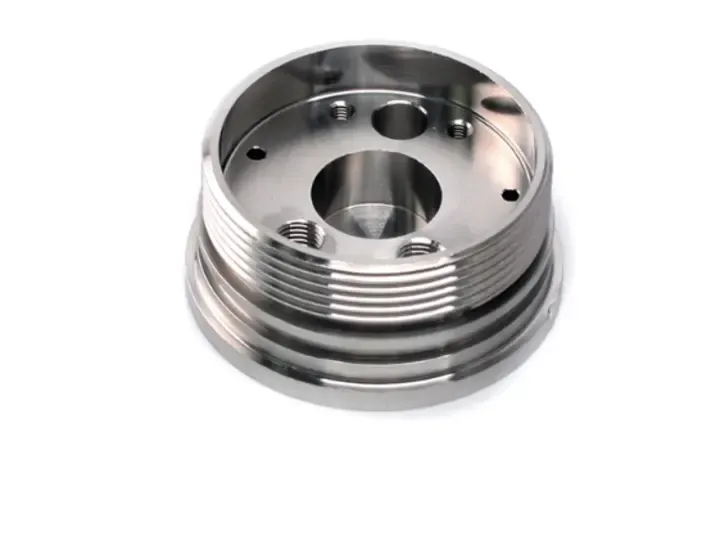
Wuxi Lead Precision Machinery delivers advanced manufacturing solutions for complex components, including precision corner moulding of plastic parts through high-performance metal tooling. Our expertise lies in the design and production of custom metal tooling systems that enable accurate, repeatable forming of plastic profiles—particularly in applications requiring tight tolerances, clean corner definition, and structural integrity. By leveraging state-of-the-art 5-axis CNC machining technology, we produce moulds and dies with exceptional geometric accuracy and surface finish, ensuring optimal performance in high-volume plastic forming processes such as thermoforming, extrusion bending, and compression moulding.
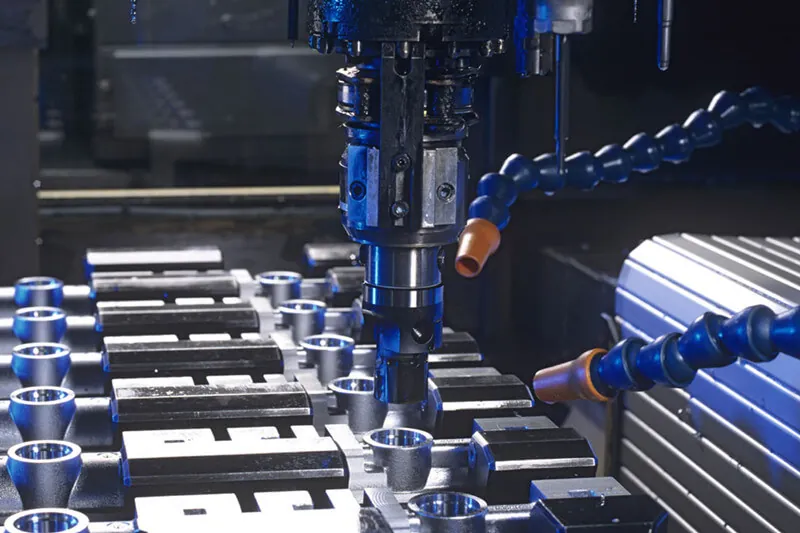
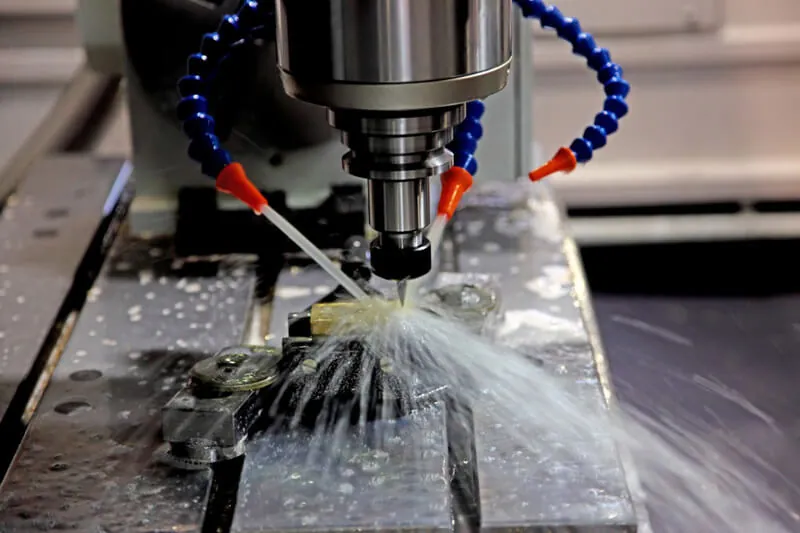
Our 5-axis CNC machining centers allow for simultaneous multi-directional cutting, enabling the fabrication of intricate cavity geometries that are essential for precise corner moulding. This capability ensures smooth transitions at critical junctions, minimizes parting lines, and supports the production of complex 3D contours in a single setup. The result is reduced setup time, improved dimensional consistency, and enhanced tool longevity. All tooling is manufactured from high-grade tool steels or aluminum alloys, selected based on production volume, material compatibility, and thermal performance requirements.
Quality assurance is integral to our manufacturing process. Every tooling component undergoes comprehensive inspection using a Zeiss Coordinate Measuring Machine (CMM), ensuring compliance with the most stringent dimensional specifications. Our CMM system provides full 3D verification of critical features, including corner radii, alignment surfaces, and interface tolerances. Data from each inspection is documented and traceable, supporting full process validation for aerospace, medical, and automotive clients who require certified production records.
We specialize in tooling for plastic corner moulding applications where angular precision and surface quality are paramount—such as in interior architectural trims, display frames, protective enclosures, and transportation interiors. Our engineering team collaborates closely with clients to optimize part geometry, draft angles, and material flow characteristics, ensuring minimal distortion and consistent repeatability across production cycles.
The following table outlines the standard technical specifications and tolerances achievable through our 5-axis CNC manufacturing and inspection processes:
| Parameter | Standard Tolerance | High-Precision Capability |
|---|---|---|
| Linear Dimensions (mm) | ±0.025 mm | ±0.010 mm |
| Angular Accuracy | ±0.1° | ±0.05° |
| Corner Radius Tolerance | ±0.05 mm | ±0.02 mm |
| Surface Finish (Ra) | 0.8 µm | 0.4 µm |
| Positional Tolerance (CMM) | ±0.020 mm | ±0.010 mm |
| Flatness (per 100 mm) | 0.015 mm | 0.008 mm |
| Repeatability (Tooling Life) | < 0.02 mm over 50k cycles | < 0.01 mm over 100k cycles |
All tooling systems are validated under simulated production conditions prior to delivery, ensuring seamless integration into the client’s manufacturing workflow. Wuxi Lead Precision Machinery combines engineering rigor with advanced manufacturing to deliver reliable, high-precision solutions for demanding plastic corner moulding applications.
Material & Finish Options

Material Selection for Precision Corner Moulding Tooling Components
Selecting the optimal material for corner moulding tooling components directly impacts part quality, production efficiency, and tool longevity in plastic injection moulding. At Wuxi Lead Precision Machinery, we engineer metal components to stringent tolerances, ensuring seamless integration into mould bases. Material choice must align with part geometry, production volume, resin chemistry, and thermal management requirements. Below, we detail critical considerations for aluminum, steel, and titanium alloys, alongside anodizing as a key surface enhancement.
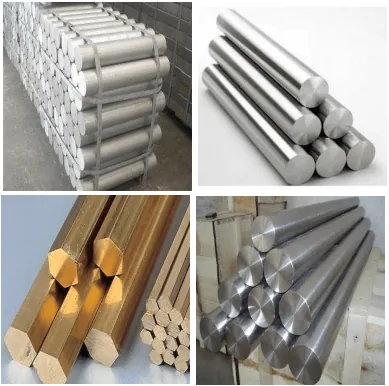
Aluminum alloys, particularly 6061-T6 and 7075-T6, offer exceptional thermal conductivity (150–180 W/m·K) and machinability, accelerating cycle times in high-volume plastic production. These grades resist thermal fatigue during rapid heating/cooling cycles, reducing warpage in complex corner geometries. While less wear-resistant than steel, aluminum’s lightweight nature lowers mould handling costs and suits prototypes or medium-run tooling for abrasive-filled resins when paired with hard anodizing.
Tool steels like H13 and S136 dominate high-cavitation, long-life moulding. H13 excels in thermal stability (up to 600°C) and toughness for cores subject to high clamping forces, while S136’s 13% chromium content provides superior corrosion resistance against PVC or flame-retardant plastics. Both achieve 48–52 HRC hardness post-heat treatment, critical for maintaining corner sharpness over 500,000+ cycles. Steel’s slower thermal response necessitates strategic cooling channel design to prevent resin sticking at tight radii.
Titanium alloys (e.g., Ti-6Al-4V) are reserved for extreme corrosion resistance in medical or chemical applications involving halogenated resins. Though costly, titanium’s biocompatibility and non-reactivity prevent part contamination, while its 30% lower density than steel reduces inertia in automated mould handling. Limited thermal conductivity (7 W/m·K) requires active cooling integration to avoid localized overheating at corner stress points.
Anodizing: Beyond Cosmetic Finish
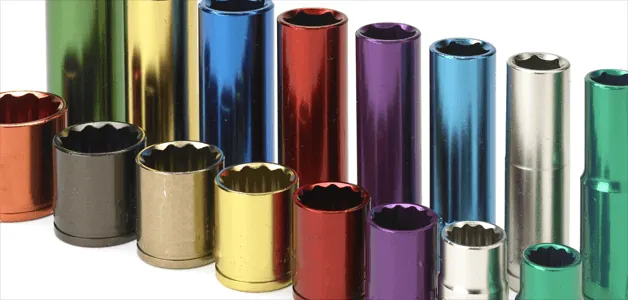
Anodizing transforms aluminum tooling surfaces into durable, non-conductive ceramic layers. Standard Type II anodizing (5–25μm) improves wear resistance for ejector sleeves, while hardcoat Type III (50–100μm) is essential for corner radii exposed to glass-filled polymers. This process eliminates galling, reduces ejection force by 30%, and withstands 1,000+ hours of salt spray testing—critical for marine-grade plastic components. Note: Anodizing is ineffective on steel or titanium; these require nitriding or PVD coatings instead.
Comparative Material Specifications for Moulding Tooling
| Material | Typical Grades | Hardness (HRC) | Thermal Conductivity (W/m·K) | Corrosion Resistance | Cost Index (vs. Steel) |
|---|---|---|---|---|---|
| Aluminum | 6061-T6, 7075-T6 | 15–30 | 150–180 | Moderate | 0.7 |
| Tool Steel | H13, S136 | 48–52 | 25–35 | High (S136) | 1.0 |
| Titanium Alloy | Ti-6Al-4V | 32–36 | 6–7 | Exceptional | 3.5 |
Wuxi Lead Precision Machinery validates all material selections through in-house metallurgical testing and mould flow simulation. Partner with us to match your corner moulding application to the optimal metal-finish combination, minimizing downtime and maximizing ROI. Contact our engineering team for grade-specific wear testing data or anodizing thickness validation reports.
Manufacturing Process & QC

Design Phase: Precision Engineering for Corner Moulding Plastic Applications
At Wuxi Lead Precision Machinery, the production process for corner moulding plastic components begins with an advanced design phase rooted in precision engineering and material science. Our engineering team collaborates closely with clients to analyze functional requirements, environmental conditions, and dimensional tolerances. Utilizing 3D CAD modeling and finite element analysis (FEA), we simulate stress points, thermal expansion, and structural integrity to ensure the design meets both performance and manufacturability standards. This phase includes selection of compatible plastic materials—such as polycarbonate, ABS, or reinforced nylon—based on mechanical strength, UV resistance, and chemical exposure. Design for manufacturability (DFM) reviews are conducted to eliminate potential defects before tooling begins, ensuring seamless transition into prototyping.
Prototyping: Validating Form, Fit, and Function
Once the design is finalized, we move into the prototyping stage using high-precision CNC machining and rapid tooling techniques. This allows us to produce functional prototypes that mirror the final product in both geometry and material properties. Each prototype undergoes rigorous testing, including dimensional inspection via coordinate measuring machines (CMM), fitment trials, and environmental stress testing. Feedback from clients and in-house quality audits are integrated to refine the design. This iterative process ensures that all potential defects—such as warping, sink marks, or dimensional drift—are identified and corrected prior to mass production. The goal is zero deviation from specifications, achieved through data-driven validation and continuous improvement.
Mass Production: Consistency, Control, and Zero Defects
With design and prototype approval, we initiate mass production using state-of-the-art injection moulding systems equipped with real-time monitoring and automated quality control. Each mould is crafted from high-grade steel with tight tolerance control to ensure longevity and repeatability. The production line operates under strict ISO 9001-certified protocols, with in-process inspections at critical control points. We employ automated vision systems and statistical process control (SPC) to detect surface defects, dimensional variance, or material inconsistencies instantly. Every batch is traceable, with full documentation of process parameters, material lots, and inspection reports. Our closed-loop feedback system enables immediate correction, maintaining a defect rate below 10 PPM (parts per million).
Key Production Specifications
| Parameter | Specification |
|---|---|
| Dimensional Tolerance | ±0.05 mm |
| Surface Roughness (Ra) | 0.8 – 3.2 µm |
| Material Options | ABS, PC, Nylon, PP, POM, PBT (glass-filled available) |
| Mould Tool Life | 500,000+ cycles (hardened steel) |
| Production Capacity | Up to 500,000 units/month |
| Quality Standard | ISO 9001:2015, IATF 16949 (automotive) |
| Defect Rate | <10 PPM |
Through integrated design, validated prototyping, and tightly controlled mass production, Wuxi Lead Precision Machinery delivers corner moulding plastic components with uncompromising quality and zero defects.
Why Choose Wuxi Lead Precision
Partner with Lead Precision for Unmatched Corner Moulding Plastic Tooling Excellence
Achieving flawless corner moulding plastic components demands precision engineering at every stage, particularly in the metal tooling that defines your final product’s integrity. Generic solutions compromise edge definition, dimensional stability, and production efficiency. At Wuxi Lead Precision Machinery, we specialize in manufacturing the high-tolerance metal moulds, dies, and fixtures essential for superior plastic corner moulding. Our CNC expertise transforms complex geometries into repeatable, high-yield production—eliminating costly rework and accelerating time-to-market.
We understand that corner moulding plastic applications—whether for automotive trim, architectural elements, or consumer electronics—require absolute consistency in radii, angles, and surface finish. Standard tooling often fails under thermal cycling or high-volume runs, leading to flash, warpage, or premature wear. Our engineered approach integrates advanced material science with micron-level machining to deliver tooling that withstands rigorous production demands. Every component we produce undergoes rigorous metrology validation, ensuring conformity to your exact specifications before deployment.
Our technical capabilities are built for the challenges of precision plastic moulding tooling. The table below outlines our core machining specifications for mould bases, cavities, and critical inserts:
| Specification | Capability Range | Industry Standard Comparison |
|---|---|---|
| Tolerance | ±0.005 mm (±0.0002″) | 2x tighter than typical |
| Surface Finish (Ra) | 0.05–0.4 µm (2–16 µin) | Mirror-grade for optical parts |
| Materials Processed | P20, H13, S136, 420SS, Aluminum Alloys | Full aerospace-grade compatibility |
| Max Work Envelope | 1200 x 800 x 650 mm (47 x 31 x 26″) | Accommodates large-scale moulds |
| Lead Time (Complex) | 18–25 days | 30% faster industry average |
Beyond technical prowess, partnering with Lead Precision means strategic collaboration. Our engineering team engages early in your design phase, identifying potential manufacturability issues and optimizing tool paths to reduce cycle times. We prioritize IP security through NDAs and controlled data protocols, while our agile production floor accommodates urgent revisions without disrupting your schedule. For global clients, we provide comprehensive documentation—including GD&T reports, material certs, and 3D inspection files—to streamline integration into your supply chain.
The cost of substandard tooling extends far beyond initial procurement: scrap rates, downtime, and missed deadlines erode profitability. With Lead Precision, you invest in tooling that delivers 500,000+ cycles with zero degradation in corner definition, directly boosting your yield and brand reputation. Our clients consistently achieve >95% first-pass yield on complex plastic mouldings—a testament to our precision foundation.
Do not let inadequate tooling constrain your product’s potential. Contact our engineering team today to discuss your corner moulding plastic requirements. We will provide a detailed capability analysis and timeline within 24 hours of receiving your specifications. Reach out to [email protected] and reference project code CM-PLASTIC-2024 for expedited review. Let us engineer the precision that defines your success.
⚙️ Precision Cost Estimator
Estimate relative manufacturing effort based on tolerance.