Technical Contents
Engineering Guide: Best Silicone For Mold Making
Engineering Insight: Selecting the Best Silicone for Mold Making in High-Precision Applications
In the realm of custom metal manufacturing, particularly for industries demanding micron-level accuracy such as aerospace, defense, and high-performance automotive, the selection of mold-making materials is not merely a procedural step—it is a critical engineering decision. Among these materials, silicone rubber stands out for its versatility in replicating complex geometries, yet not all silicones are suitable for high-precision applications. The best silicone for mold making must balance thermal stability, tear resistance, dimensional accuracy, and longevity under repeated casting cycles.
At Wuxi Lead Precision Machinery, our experience in delivering mission-critical components for Olympic-standard equipment and military-grade systems has reinforced the principle that precision begins long before metal meets tool. It starts with the fidelity of the mold. Silicone molds are often employed in investment casting, rapid prototyping, and low-volume production runs where intricate details and surface finish are paramount. A suboptimal silicone compound can introduce micro-deformations, shrinkage inconsistencies, or premature degradation—defects that propagate directly into the final metal part.
The ideal silicone for precision mold making is a platinum-cured, high-consistency rubber (HCR) with a Shore A hardness typically between 20 and 40. These silicones offer superior dimensional stability, minimal post-cure shrinkage (<0.1%), and excellent release properties without the need for aggressive mold sprays that could compromise detail. Additionally, thermal resistance up to 200°C ensures compatibility with various casting resins and low-melt alloys used in pre-production validation.
Our engineering team at Lead Precision evaluates silicone performance not only by datasheet metrics but by real-world behavior under controlled casting environments. We prioritize materials that maintain edge definition over 50+ cycles, resist amine-induced inhibition when used with epoxy systems, and exhibit low volatile content to prevent porosity in castings.
The table below outlines key performance specifications we require when qualifying silicone for high-precision mold applications:
| Property | Requirement for High-Precision Molding |
|---|---|
| Cure System | Platinum-catalyzed |
| Hardness (Shore A) | 20–40 |
| Tensile Strength | ≥8.0 MPa |
| Elongation at Break | ≥400% |
| Tear Resistance | ≥25 kN/m |
| Shrinkage after Cure | <0.1% |
| Thermal Stability | Continuous use up to 200°C |
| Detail Reproduction | Capable of replicating features <50 µm |
| Inhibition Resistance | Low sensitivity to amine-containing resins |
| Cycle Life (industrial use) | 50–100+ casts with minimal degradation |
With over a decade of experience supporting Tier-1 suppliers in defense and precision instrumentation, Wuxi Lead Precision Machinery integrates material science with manufacturing rigor. Our approach ensures that every silicone mold we deploy or recommend contributes directly to the repeatability, accuracy, and integrity of the final metal component—because in high-stakes manufacturing, there is no margin for error.
Precision Specs & Tolerances
Technical Capabilities: Precision Foundation for Silicone Mold Performance
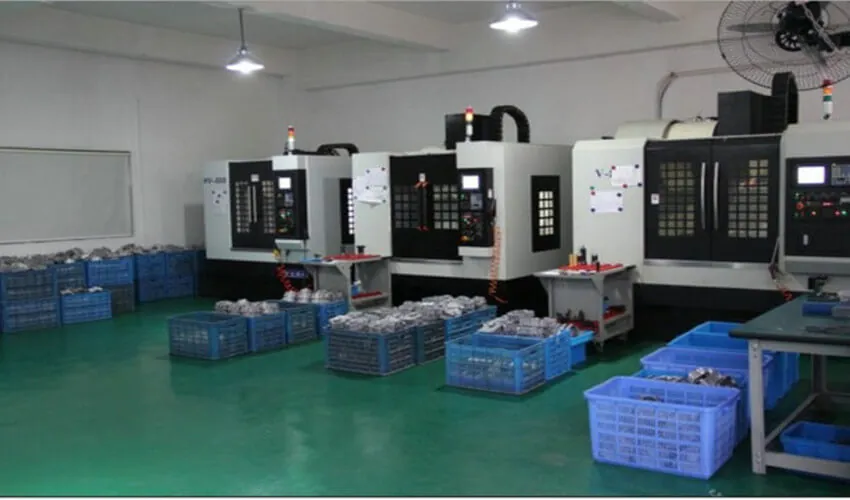
At Wuxi Lead Precision Machinery, our expertise in custom metal manufacturing directly enables superior silicone mold production. While silicone selection is critical for final part replication, the precision of the underlying metal mold base—machined to exacting standards—dictates mold longevity, dimensional accuracy, and surface fidelity. Our integrated workflow ensures the metal tooling substrate meets the stringent demands of high-performance silicone molding processes, eliminating variables that compromise part quality.
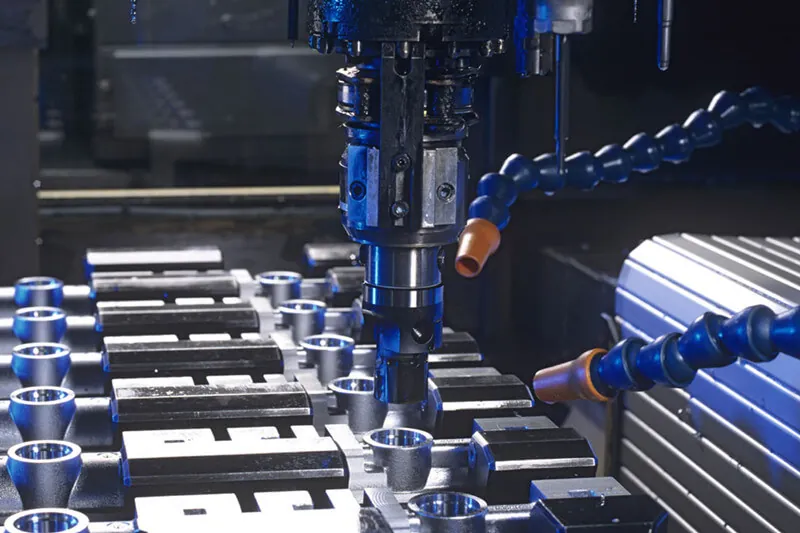
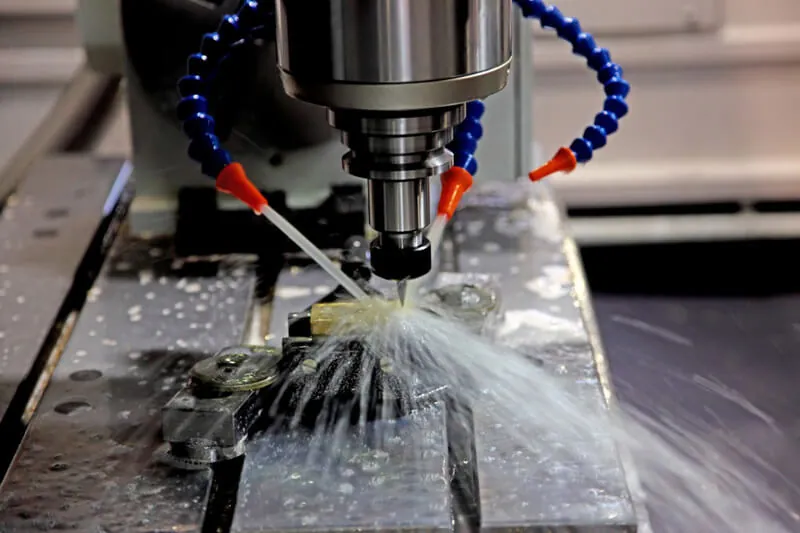
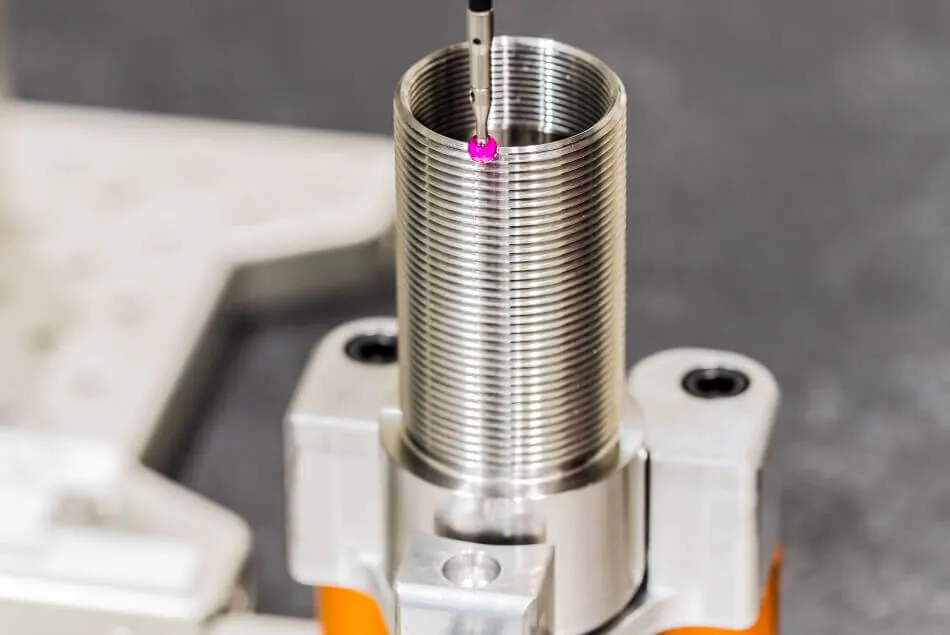
Central to this capability is our fleet of 5-axis CNC machining centers, including Haas UMC-750 and DMG MORI DMU 80 P models. These systems execute complex geometries with simultaneous multi-axis motion, achieving tight tolerances on mold cavities, cooling channels, and parting lines. Advanced toolpath strategies minimize vibration and thermal distortion, critical for maintaining micron-level consistency across large or intricate mold bases. All machining operations leverage Renishaw probing for in-process verification, ensuring features align within specified parameters before final inspection.
Rigorous quality control is non-negotiable. Every mold base undergoes comprehensive validation via Zeiss CONTURA CMM systems, programmed to ISO 10360-2 standards. This captures full 3D geometry deviations, surface continuity, and positional accuracy of critical datums. Statistical process control (SPC) data is documented per AS9100 guidelines, providing clients with traceable evidence of conformance. Our QC lab operates at ISO Class 7 environmental controls to mitigate thermal drift during measurement, guaranteeing repeatable results.
The table below outlines achievable tolerances for mold bases used in silicone molding applications. These specifications reflect our standard production capability under controlled conditions; tighter tolerances are attainable for critical features with extended lead times.
| Parameter | Standard Capability | Enhanced Capability | Measurement Method |
|---|---|---|---|
| Linear Dimensions | ±0.025 mm | ±0.010 mm | CMM (Zeiss CALYPSO) |
| Angular Features | ±0.05° | ±0.02° | CMM + Optical Comparator |
| Surface Roughness (Ra) | 0.8 µm | 0.4 µm | Portable Profilometer |
| Positional Tolerance | ±0.015 mm | ±0.008 mm | CMM (3D Vector Analysis) |
| Flatness | 0.02 mm/m² | 0.01 mm/m² | CMM + Granite Surface |
Material selection for mold bases—typically H13 tool steel, 420SS, or aluminum alloys—is optimized for thermal stability and polishability, directly influencing silicone release characteristics and cycle life. We collaborate with silicone compound suppliers to align metal surface finishes with specific elastomer formulations, preventing adhesion issues or premature wear. All mold bases receive post-machining stress relief and precision lapping where required, ensuring dimensional stability during silicone curing cycles.
This disciplined approach transforms metal tooling from a passive component into an active enabler of silicone mold performance. By controlling the foundational geometry with metrology-grade precision, we eliminate root causes of silicone part defects—shrinkage variation, flash, or surface imperfections—delivering molds that consistently meet aerospace, medical, and optical industry standards. Wuxi Lead’s technical infrastructure ensures your silicone molding process starts with无可挑剔的 metal precision.
Material & Finish Options
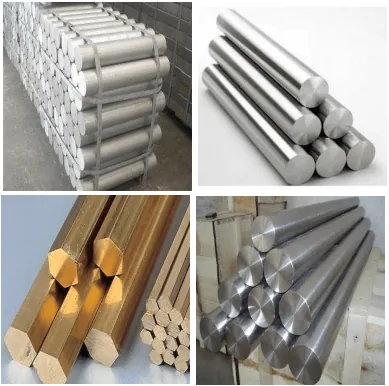
When selecting the optimal material for mold making in high-precision manufacturing, engineers must balance thermal performance, durability, cost-efficiency, and production volume. At Wuxi Lead Precision Machinery, we specialize in custom metal molds using aluminum, steel, and titanium—each offering distinct advantages depending on application requirements. Understanding the mechanical properties and surface treatment options such as anodizing is critical to achieving long service life and consistent part quality.
Aluminum stands out for its excellent thermal conductivity and machinability, making it ideal for rapid prototyping and low-to-medium volume production runs. Its lightweight nature reduces cycle times and energy consumption during operation. While not as hard as steel or titanium, aluminum molds benefit significantly from anodizing, which enhances surface hardness and corrosion resistance. Type III hard anodizing, in particular, creates a wear-resistant layer up to 50–75 µm thick, suitable for aggressive molding environments.
Steel, especially tool steels like P20, H13, or S136, is preferred for high-volume silicone molding due to its exceptional strength and wear resistance. These alloys maintain dimensional stability under repeated thermal cycling and resist deformation even at elevated temperatures. However, steel is heavier and more difficult to machine than aluminum, leading to longer lead times and higher initial costs. For corrosive silicone compounds or medical-grade applications, stainless variants such as 17-4 PH offer superior resistance to oxidation and chemical degradation.
Titanium molds are used in niche, high-performance applications where extreme corrosion resistance and strength-to-density ratios are paramount. Though expensive and challenging to machine, titanium exhibits outstanding longevity in aggressive chemical environments and maintains structural integrity at elevated temperatures. It is particularly suitable for aerospace and biomedical silicone molding processes where contamination and weight are critical concerns.
Surface finishes play a vital role in mold performance. Anodizing is most effective on aluminum, providing both functional and aesthetic benefits. For steel and titanium, alternative coatings such as PVD (Physical Vapor Deposition) or electro-polishing may be more appropriate depending on the operating conditions.
Below is a comparative overview of key properties for common mold materials used in silicone molding applications:
| Material | Hardness (HRC) | Thermal Conductivity (W/m·K) | Tensile Strength (MPa) | Typical Use Case | Surface Enhancement Options |
|---|---|---|---|---|---|
| Aluminum 6061-T6 | 30–35 | 167 | 310 | Prototyping, low-volume production | Hard Anodizing (Type III), Alodine |
| P20 Steel | 28–32 | 36 | 900 | Medium-to-high volume production | Nitriding, Chrome Plating |
| H13 Steel | 48–52 | 30 | 1,100 | High-pressure, high-temperature use | PVD Coating, Polishing |
| 17-4 PH Steel | 40–45 | 16 | 1,000 | Corrosion-resistant applications | Passivation, Electropolishing |
| Titanium Gr5 (Ti-6Al-4V) | 36–40 | 7.2 | 950 | Aerospace, medical, extreme environments | Anodizing (medical grade), Coating |
Material selection directly impacts mold longevity, production efficiency, and final part quality. At Wuxi Lead Precision Machinery, we support clients in choosing the right combination of base material and surface treatment to meet the demands of their silicone molding processes.
Manufacturing Process & QC
Precision Silicone Mold Manufacturing: From Design to Zero-Defect Production
At Wuxi Lead Precision Machinery, our silicone mold production for metal casting adheres to a rigorously controlled three-phase workflow. This ensures dimensional accuracy, material integrity, and absolute compliance with aerospace, automotive, and medical industry standards. Every stage integrates CNC engineering precision with real-time quality validation.
Design Phase: Engineering for Zero Tolerance Deviation
Our process begins with collaborative CAD/CAM development using Siemens NX software. Engineers analyze part geometry, undercuts, and thermal dynamics to optimize mold cavity design. Finite element analysis (FEA) simulates silicone flow and metal casting pressures, identifying potential stress points. Critical tolerances are validated through virtual tolerance stack analysis, ensuring the mold design accommodates ±0.02mm dimensional repeatability. Material selection is finalized here, prioritizing platinum-cure silicones for their stability, low shrinkage, and resistance to thermal degradation during repeated casting cycles.
Prototyping Phase: Validating Performance Before Scale
A single-cavity prototype mold is machined using 5-axis CNC systems with sub-micron accuracy. This stage tests both the mold’s structural integrity and the silicone’s behavior under actual casting conditions. We conduct iterative trials: filling the mold with low-melt alloys to verify flow characteristics, measuring cure consistency, and inspecting for micro-voids or surface imperfections. All data feeds into Statistical Process Control (SPC) charts, allowing immediate adjustment of parameters like injection pressure or cure temperature. Only after achieving 100% defect-free prototype castings do we approve the design for replication.
Mass Production: Sustained Zero-Defect Execution
For series production, molds are replicated using hardened H13 tool steel cavities machined to Ra 0.2µm surface finish. Each silicone batch undergoes strict incoming inspection for viscosity, durometer, and platinum content. During molding, automated systems monitor cure time, temperature uniformity (±1°C), and pressure profiles. In-process metrology via CMM verifies cavity dimensions after every 50 cycles. Our zero-defect mandate is enforced through:
First-article inspection reports per AS9102
Real-time SPC tracking of critical dimensions
100% post-cure visual and dimensional validation
This closed-loop system eliminates variability, ensuring every mold performs identically across 10,000+ cycles.
Critical Silicone Specifications for Metal Casting Molds
| Property | Requirement | Test Standard |
|————————-|——————-|——————-|
| Hardness (Shore A) | 40 ± 3 | ASTM D2240 |
| Tensile Strength | ≥ 9.0 MPa | ASTM D412 |
| Elongation at Break | ≥ 500% | ASTM D412 |
| Thermal Stability | -60°C to 250°C | ISO 376 |
| Linear Shrinkage | ≤ 0.1% | ASTM D955 |
| Platinum Catalyst Purity| ≥ 99.95% | ICP-MS |
Wuxi Lead’s integration of CNC precision engineering with material science guarantees molds that deliver flawless metal castings. Contact our engineering team to implement this zero-defect protocol for your critical components.
Why Choose Wuxi Lead Precision
Partner with Lead Precision for Advanced Silicone Mold Solutions in High-End Manufacturing
At Wuxi Lead Precision Machinery, we specialize in delivering precision-engineered metal components and integrated manufacturing systems tailored to the most demanding industrial applications. While our core expertise lies in custom CNC machining, tooling, and metal fabrication, we understand that modern manufacturing often requires seamless integration between metal tooling and advanced elastomeric materials such as silicone. This is particularly critical in industries like medical devices, aerospace, and high-performance automotive, where silicone molds are used for prototyping, casting, and low-volume production runs. To support our clients in achieving optimal results, we provide expert guidance on selecting and applying the best silicone for mold making—ensuring compatibility with metal tooling, thermal stability, and long-term durability.
Silicone selection is not a one-size-fits-all process. Material properties such as Shore hardness, elongation at break, tear strength, and thermal resistance must align precisely with the intended application. Whether you’re creating intricate molds for medical components or durable prototypes for aerospace testing, pairing the right silicone with precision-machined metal tooling is essential. At Lead Precision, we collaborate closely with material scientists and industrial partners to recommend high-performance silicones from leading global suppliers. Our engineering team evaluates your project requirements—including part geometry, production volume, and environmental exposure—to determine the optimal silicone formulation and mold design.
We offer comprehensive support from concept to production, ensuring your silicone molds perform reliably under real-world conditions. Our in-house metrology and rapid prototyping capabilities allow for iterative testing and refinement, minimizing downtime and reducing time-to-market. When you partner with us, you gain access to a vertically integrated manufacturing ecosystem where metal tooling, silicone compatibility, and precision engineering converge.
Below is a reference table outlining key silicone properties commonly used in industrial mold making. These materials are selected based on performance in high-precision applications and compatibility with custom metal tooling systems.
| Silicone Type | Shore Hardness (A) | Tensile Strength (MPa) | Elongation at Break (%) | Operating Temperature Range (°C) | Best Use Case |
|---|---|---|---|---|---|
| Platinum-Cure (Addition) | 10–80 | 8–12 | 600–1000 | -60 to 200 | Medical, food-grade, high-detail molds |
| Tin-Cure (Condensation) | 15–40 | 4–6 | 400–700 | -40 to 150 | Prototyping, general-purpose casting |
| High-Tear Strength | 50–70 | 10–14 | 500–800 | -50 to 180 | Durable molds for abrasive resins |
| High-Temperature | 40–60 | 7–9 | 450–600 | -40 to 250 | Industrial casting under thermal stress |
Choosing the best silicone for mold making is only part of the equation. The precision of the mold base, surface finish, and thermal management—all within the metal component of the system—are equally critical. At Wuxi Lead Precision Machinery, we ensure every detail is engineered for performance.
For expert consultation on silicone mold integration and custom metal manufacturing solutions, contact us at [email protected]. Let Lead Precision be your trusted partner in high-end industrial manufacturing.
⚙️ Precision Cost Estimator
Estimate relative manufacturing effort based on tolerance.