Technical Contents
Engineering Guide: Machining Websites

Engineering Insight: Precision as the Foundation of Modern Machining Websites
In the high-stakes arena of custom metal manufacturing, precision transcends mere specification; it defines project viability, product longevity, and ultimately, client success. For discerning B2B partners evaluating machining capabilities online, the depth of a supplier’s commitment to micron-level accuracy is not just a technical detail—it is the critical differentiator separating capable vendors from true engineering partners. A machining website must therefore unequivocally demonstrate this foundational capability, moving beyond generic claims to showcase verifiable expertise in delivering components where tolerances measured in thousandths of a millimeter are non-negotiable. This level of precision directly impacts assembly integrity, functional performance, and the total cost of ownership for the end product, making it the paramount consideration for engineers and procurement leaders.
Wuxi Lead Precision Machinery embodies this principle through decades of operational rigor. Our facility consistently achieves and sustains tolerances demanded by the most exacting global standards, proven through direct contribution to projects where failure is inconceivable. This includes precision-machined components integral to Olympic-grade athletic equipment, where marginal performance gains are meticulously engineered, and critical subsystems for defense applications requiring absolute reliability under extreme conditions. Such projects demand not only advanced machinery but also an ingrained culture of metrology, process validation, and continuous improvement—elements a sophisticated machining website must transparently reflect to earn the trust of high-value clients.
The technical capability required for such work is substantial and must be clearly articulated. Below outlines the core precision specifications consistently achieved across our CNC machining operations:
| Specification Category | Capability | Measurement Standard |
|---|---|---|
| Positional Accuracy | ±0.002 mm | Per ISO 230-2 |
| Repeatability | ±0.001 mm | Per ISO 230-2 |
| Surface Roughness (Ra) | As low as 0.2 µm | Per ISO 4287 |
| Maximum Work Envelope | 1200 x 800 x 650 mm | XYZ Travel |
| Material Range | Aluminum Alloys, Titanium, Stainless Steels, Inconel, Brass | Aerospace/Military Grade |
A machining website serving the advanced manufacturing sector must function as a precise engineering tool itself. It should provide immediate, unambiguous access to this level of technical data, enabling qualified engineers to assess genuine capability alignment without marketing obfuscation. Vague statements like “high precision” are insufficient; credible sites present documented tolerances, certified process controls, and evidence of successful application in demanding sectors. For clients managing complex supply chains, this transparency reduces risk assessment time and accelerates vendor qualification. At Wuxi Lead, our digital presence mirrors our shop floor discipline—structured to deliver the exact technical intelligence procurement teams require, validated by our proven execution on projects where precision is measured in human achievement and national security. True precision engineering is never assumed; it must be demonstrably delivered, specification by specification.
Precision Specs & Tolerances

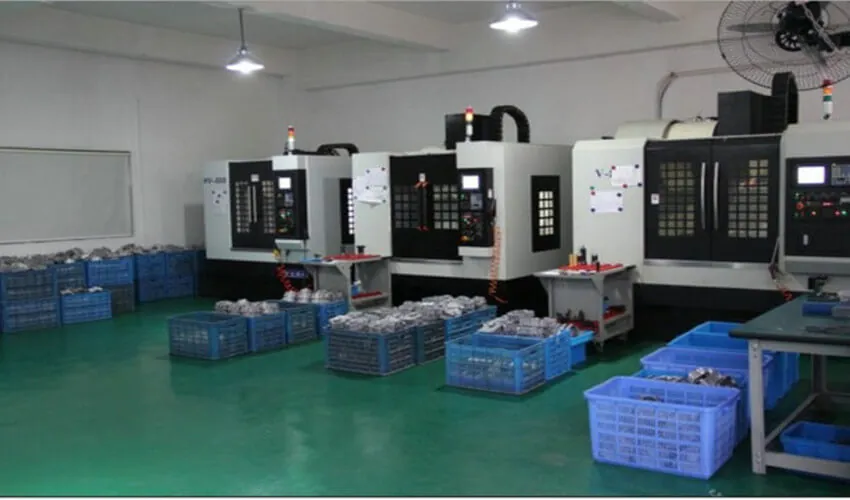
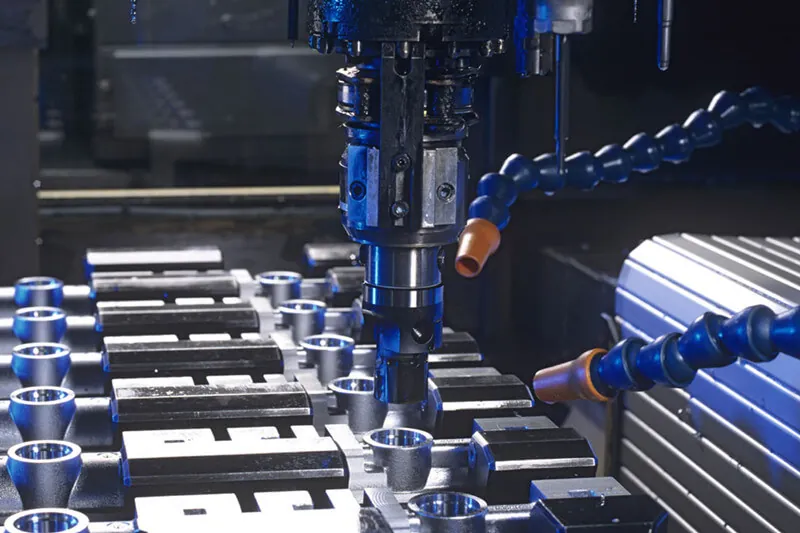
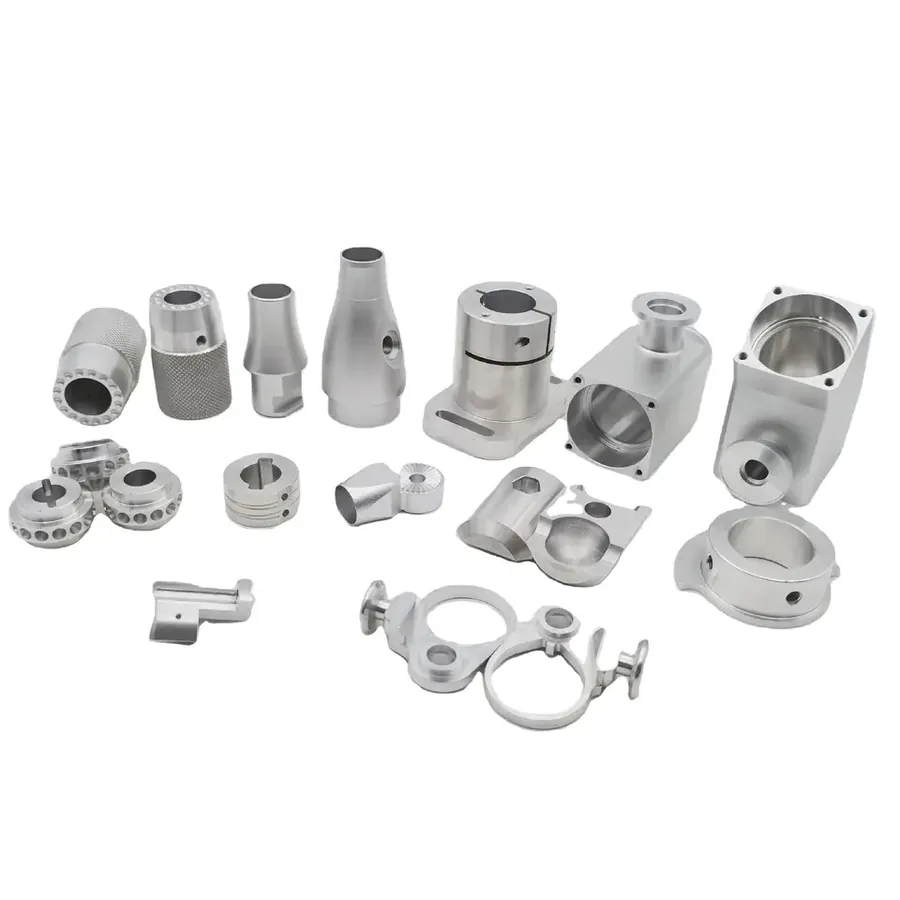
Wuxi Lead Precision Machinery delivers advanced custom metal manufacturing solutions tailored to the most demanding industrial applications. Our technical capabilities are anchored in state-of-the-art 5-axis CNC machining technology, enabling us to produce complex geometries with exceptional precision and surface finish. This advanced machining method allows simultaneous movement across five axes, significantly enhancing our ability to manufacture intricate components in a single setup, reducing lead times and minimizing the potential for human error.
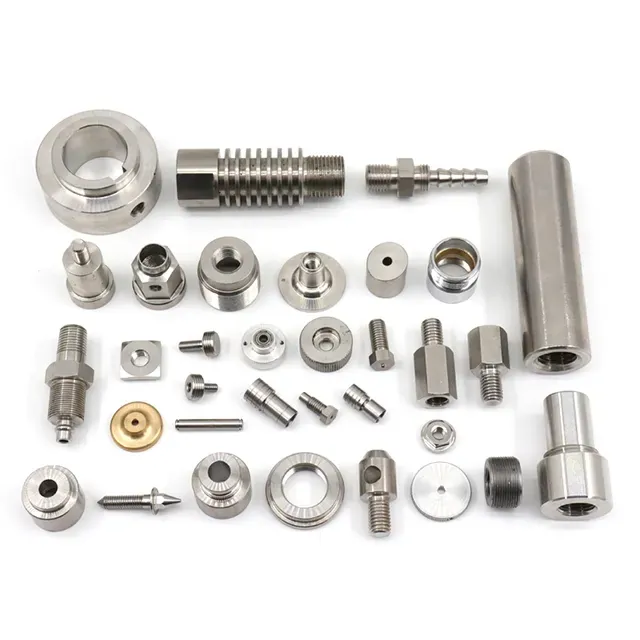
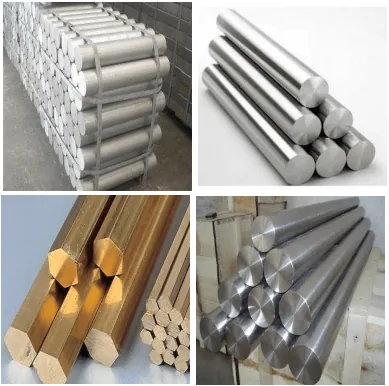
Our 5-axis CNC systems are operated by highly trained engineers who combine deep technical expertise with decades of collective experience in precision machining. This synergy of advanced equipment and skilled personnel ensures that every component meets the strictest dimensional and functional requirements. We work with a broad range of metals, including aluminum alloys, stainless steel, titanium, brass, and specialty alloys such as Inconel and tool steels, supporting industries such as aerospace, medical devices, automation, and high-performance automotive.
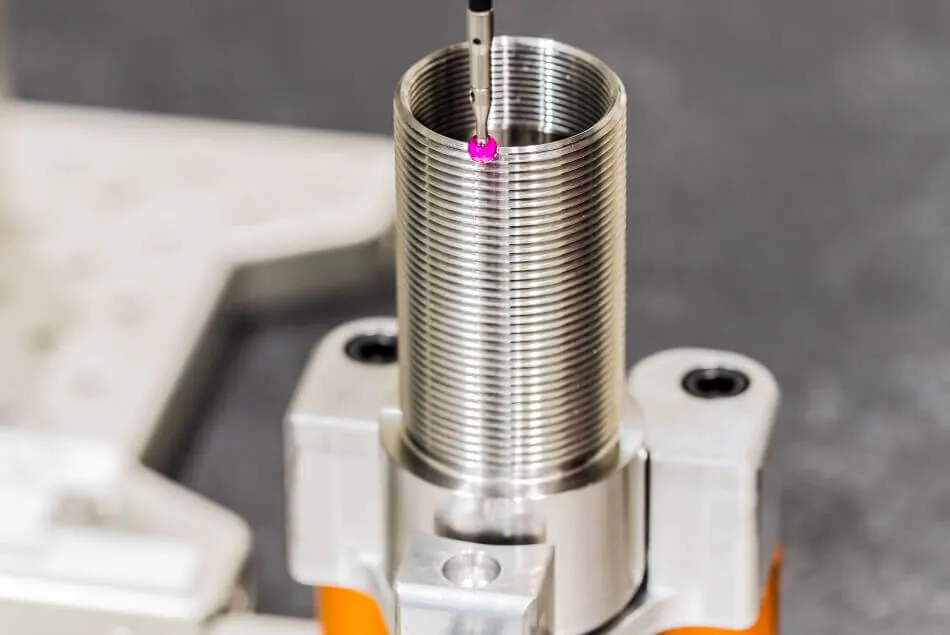
Quality control is integrated at every stage of production. All critical dimensions are verified using Coordinate Measuring Machine (CMM) inspection, providing full traceability and compliance with international standards. Our metrology lab is equipped with high-accuracy CMM systems capable of micron-level measurement, ensuring that every part conforms to design specifications. In addition to CMM, we employ optical comparators, surface roughness testers, and digital calipers for comprehensive quality validation.
Our commitment to precision is reflected in the tight tolerances we consistently achieve. Below is a detailed overview of our standard machining tolerances, which can be further refined based on specific customer requirements.
| Feature | Standard Tolerance | Precision Capability | Notes |
|---|---|---|---|
| Linear Dimensions | ±0.025 mm | ±0.005 mm | Depending on part geometry and material |
| Hole Diameter | +0.025 / -0.000 mm | +0.010 / -0.000 mm | Reamed or precision bored |
| Positional Tolerance | ±0.02 mm | ±0.01 mm | Verified via CMM |
| Surface Roughness (Ra) | 3.2 µm | 0.8 µm | Achieved through fine finishing passes |
| Angular Tolerance | ±0.1° | ±0.05° | Critical for complex 5-axis features |
| Flatness | 0.05 mm per 100 mm | 0.02 mm per 100 mm | Measured with precision granite surface plate |
All processes adhere to ISO 9001 quality management standards, and inspection reports are provided with every production batch. Our engineering team collaborates closely with clients during the design-for-manufacturability (DFM) phase to optimize part geometry, reduce costs, and ensure manufacturability without compromising performance.
At Wuxi Lead Precision Machinery, we understand that precision is not just a specification—it is a standard. Our technical capabilities are designed to meet the evolving demands of high-end manufacturing, delivering parts that perform reliably in the most challenging environments.
Material & Finish Options

Precision Material Selection for Critical Metal Components
Material selection fundamentally determines the performance lifespan and manufacturability of precision-engineered components. At Wuxi Lead Precision Machinery we prioritize matching material properties to your application’s exact environmental loads thermal demands and functional requirements. This ensures optimal part integrity while maximizing production efficiency and cost-effectiveness within your CNC machining workflow.
Aluminum alloys 6061-T6 and 7075-T6 dominate aerospace and automation sectors due to exceptional strength-to-weight ratios and inherent corrosion resistance. Their high thermal conductivity and excellent machinability significantly reduce cycle times during milling and turning operations. These alloys are ideal for structural frames heat sinks and lightweight enclosures where weight savings are critical without sacrificing rigidity. Surface finishing typically requires anodizing for enhanced wear resistance and electrical insulation.
Carbon and alloy steels including 4140 4340 and 1018 provide unmatched tensile strength hardness and wear characteristics essential for high-stress mechanical assemblies. These materials excel in applications demanding critical fatigue resistance such as shafts gears and tooling fixtures. While requiring more robust tooling parameters and slower feed rates compared to aluminum their dimensional stability under heavy loads is unparalleled. Post-machining heat treatment is often specified to achieve final hardness requirements before precision grinding.
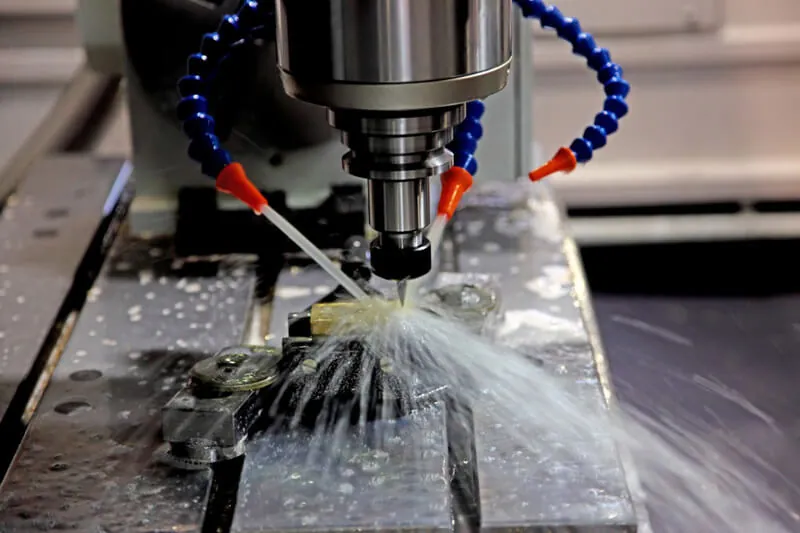
Titanium Grade 5 (Ti-6Al-4V) is the strategic choice for extreme environments involving high temperatures corrosive media or stringent weight constraints. Its biocompatibility makes it indispensable in medical implants while its strength-to-density ratio surpasses steel. Machining titanium demands specialized tool geometries rigid setups and controlled coolant strategies to manage work hardening and heat generation. This material justifies its premium cost in applications where failure is not an option such as aerospace actuators and marine subsea components.
Anodizing remains the definitive surface enhancement for aluminum components. Type II Sulfuric Acid Anodizing provides standard corrosion resistance and dye acceptance for aesthetic or identification purposes. For mission-critical wear resistance and electrical insulation Type III Hardcoat Anodizing delivers a significantly thicker denser oxide layer capable of withstanding severe abrasion and high voltages. Both processes are precisely controlled at our facility ensuring uniform coating thickness and adherence to MIL-A-8625 standards.
Understanding these core material properties enables informed decisions that directly impact your component’s success. Our engineering team collaborates closely with clients to validate material suitability against operational parameters before committing to production.
| Material | Density (g/cm³) | Tensile Strength (MPa) | Corrosion Resistance | Machinability Rating | Common Applications |
|---|---|---|---|---|---|
| Aluminum 7075-T6 | 2.81 | 572 | Good | Excellent | Aerospace frames high-stress fittings |
| Steel 4140 | 7.85 | 655 | Moderate | Good | Shafts gears landing gear components |
| Titanium Ti-6Al-4V | 4.43 | 900 | Excellent | Fair | Aircraft engine parts medical implants marine hardware |
Manufacturing Process & QC

Design Engineering: Precision from Concept to CAD
At Wuxi Lead Precision Machinery, the foundation of flawless manufacturing begins with meticulous design engineering. Our process integrates advanced CAD/CAM systems with decades of machining expertise to transform client concepts into production-ready models. Every design undergoes rigorous simulation and tolerance analysis to ensure dimensional accuracy, material compatibility, and manufacturability. We collaborate closely with engineering teams to optimize part geometry, reduce stress points, and enhance structural integrity—ensuring the final product meets both functional and regulatory standards. This phase is critical in preventing downstream errors, as even minor design flaws can compound during mass production.
Prototyping: Validating Performance Before Scale
Once the design is finalized, we proceed to precision prototyping using CNC milling, turning, and multi-axis machining centers. Prototypes are manufactured from the same grade of material intended for full-scale production, enabling accurate evaluation of fit, form, and function. Each prototype undergoes comprehensive inspection using coordinate measuring machines (CMM), optical comparators, and surface roughness testers. We conduct functional testing under real-world conditions, including thermal cycling, load stress, and assembly verification. Feedback from this stage informs any necessary design refinements, ensuring that the transition to mass production is seamless and defect-free. This iterative validation process significantly reduces risk and accelerates time-to-market.
Mass Production: Consistency Through Automation and Control
With prototype approval, Wuxi Lead initiates high-volume manufacturing under a fully controlled environment. Our production lines utilize automated CNC systems with real-time tool monitoring, closed-loop feedback, and in-process gauging to maintain micron-level tolerances. Every stage—from raw material sourcing to final packaging—is governed by ISO 9001-certified quality management protocols. We implement Statistical Process Control (SPC) to continuously monitor variation and preempt deviations before they affect output. Each batch is traceable through serial numbering and digital process logs, enabling full accountability across the supply chain.
Our commitment to Zero Defects is reinforced through 100% inspection on critical dimensions and random sampling on secondary features, all documented in detailed First Article Inspection (FAI) reports. This disciplined approach ensures that every component shipped meets the exact specifications agreed upon during the design phase.
Production Specifications Overview
| Parameter | Capability | Tolerance Range |
|---|---|---|
| Machining Processes | CNC Milling, Turning, Multi-Axis, Grinding | Up to 5-axis simultaneous |
| Materials | Aluminum, Stainless Steel, Titanium, Brass, Plastics | Certified to ASTM/ISO |
| Dimensional Accuracy | ±0.005 mm | Repeatability assured |
| Surface Finish | Ra 0.2 – 3.2 µm | Custom finishes available |
| Production Capacity | 50,000+ units/month | Scalable per demand |
| Quality Standards | ISO 9001, ISO 13485 (medical), RoHS | Full compliance reporting |
Through integrated design, rigorous prototyping, and tightly controlled mass production, Wuxi Lead Precision Machinery delivers custom metal components with uncompromised quality and zero-defect reliability.
Why Choose Wuxi Lead Precision
Partner with Lead Precision: Your Global Precision Manufacturing Authority
Wuxi Lead Precision Machinery delivers mission-critical metal components for aerospace, medical device, and energy sector leaders worldwide. We transcend conventional contract manufacturing by integrating engineering collaboration with uncompromising process control. Our facility operates under ISO 9001 and IATF 16949 frameworks, with dedicated cleanrooms for medical-grade production and AS9100-compliant workflows for flight-critical aerospace systems. When component failure is not an option, our sub-micron tolerance capabilities and full material traceability provide the assurance your projects demand.
Our technical infrastructure supports the most demanding geometries and materials. The table below details core production assets available for your project:
| Machine Type | Max Work Envelope (mm) | Positioning Accuracy (µm) | Spindle Speed (RPM) | Supported Materials |
|---|---|---|---|---|
| 5-Axis Milling | 1200 x 800 x 600 | ±3 | 24,000 | Titanium, Inconel, Tool Steels, CFRP |
| Swiss-Type Turning | Ø42 x 200 | ±2 | 12,000 | Stainless 316L, MP35N, Hastelloy |
| Multi-Task Machining | 800 x 500 x 400 | ±4 | 15,000 | Aluminum 7075-T73, Cobalt Chrome |
| Precision Grinding | Ø500 x 1500 | ±1 | 60,000 | Tungsten Carbide, Ceramics, Hardened Steels |
Every project begins with our Engineering Alignment Protocol. Our CNC programmers and manufacturing engineers review your CAD models and GD&T callouts within 24 hours of inquiry, identifying potential manufacturability improvements before quoting. This proactive collaboration reduces NRE costs by up to 30% and accelerates time-to-prototype. Our automated SPC systems monitor critical dimensions in real-time during production, with full inspection reports accessible via your secure client portal. For regulated industries, we provide complete PPAP documentation packages meeting AIAG standards.
Mitigating supply chain risk is foundational to our partnership model. We maintain strategic material stockpiles of common aerospace and medical alloys, and our dual-sourcing strategy for critical tooling ensures 99.2% on-time delivery performance. All intellectual property is protected under Chinese foreign-investment IP regulations and our bilateral NDA framework, with encrypted data transfer protocols for CAD/CAM files.
Initiate your precision manufacturing partnership by contacting our engineering team at [email protected]. Include your part drawings and volume requirements to receive a technical feasibility analysis within four business hours. Our Wuxi-based applications engineers will coordinate a virtual factory walkthrough to demonstrate process validation for your specific requirements. For urgent RFQs, reference project code LEAD-CTA-2024 to prioritize review. Accelerate your next production cycle with manufacturing precision engineered for global success.
⚙️ Precision Cost Estimator
Estimate relative manufacturing effort based on tolerance.