Sheet Metal Forming Services Manufacturer | Precision CNC Guide

Engineering Guide: Sheet Metal Forming Services

sheet metal forming services manufacturing

Engineering Insight: The Critical Role of Precision in Sheet Metal Forming Services

In the realm of advanced manufacturing, sheet metal forming stands as a cornerstone process, transforming flat metal sheets into complex, functional components with exacting dimensional accuracy. At Wuxi Lead Precision Machinery, we recognize that precision is not merely a performance metric—it is the foundation upon which reliability, performance, and safety are built. Whether serving aerospace, defense, or high-performance industrial sectors, the margin for error in sheet metal forming is effectively zero. This demand for perfection defines our engineering philosophy and drives our continuous investment in technology, talent, and process control.

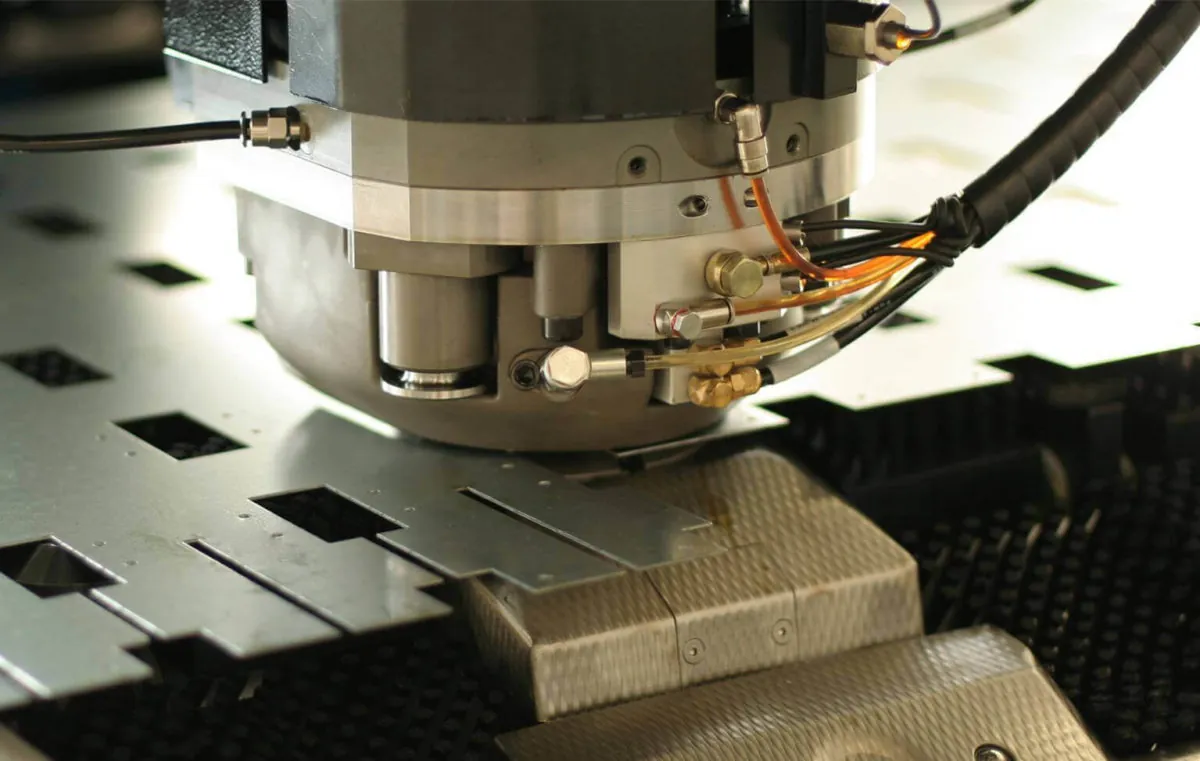
Sheet metal forming encompasses a range of operations—including bending, stamping, deep drawing, and roll forming—each requiring precise control over material behavior, tooling alignment, and force application. Even minor deviations in tonnage, angle, or springback compensation can result in part failure, assembly misalignment, or compromised structural integrity. At Lead Precision, we employ state-of-the-art CNC press brakes equipped with real-time feedback systems and laser-guided positioning to ensure repeatability within ±0.1 mm. Our in-house tooling design team collaborates with clients to optimize bend sequences and mitigate material stress concentrations, ensuring that every formed component meets or exceeds specified tolerances.

Our expertise has been rigorously tested in mission-critical applications. Wuxi Lead Precision Machinery has contributed to projects demanding the highest levels of quality assurance, including components used in Olympic-standard sporting equipment and subsystems integrated into military-grade defense platforms. These engagements required not only technical excellence but also full traceability, stringent material certifications, and compliance with international standards such as ISO 9001 and MIL-STD-810. Our ability to deliver under such demanding conditions underscores our position as a trusted partner in precision sheet metal fabrication.

Beyond equipment and certifications, precision begins with engineering insight. We analyze material properties—yield strength, elongation, and anisotropy—to predict forming behavior accurately. Finite element analysis (FEA) simulations allow us to model stress distribution and potential failure points before a single sheet is cut. This proactive approach minimizes trial runs, reduces waste, and accelerates time-to-market without compromising quality.

The following table outlines key capabilities of our sheet metal forming services:

Parameter Specification
Material Thickness Range 0.5 mm – 12.0 mm
Maximum Forming Length 4,000 mm
Bending Tolerance ±0.1°
Linear Dimensional Accuracy ±0.1 mm
Press Brake Tonnage Capacity Up to 1,200 tons
Supported Materials Carbon steel, stainless steel, aluminum, copper, titanium
Process Control Real-time CNC monitoring, first-article inspection, SPC

At Wuxi Lead Precision Machinery, precision in sheet metal forming is not an outcome—it is engineered into every stage of production. Our proven experience in high-stakes industries reflects our unwavering commitment to excellence, ensuring that every component we deliver performs exactly as intended, every time.


Precision Specs & Tolerances

sheet metal forming services manufacturing

Technical Capabilities: Precision Sheet Metal Forming

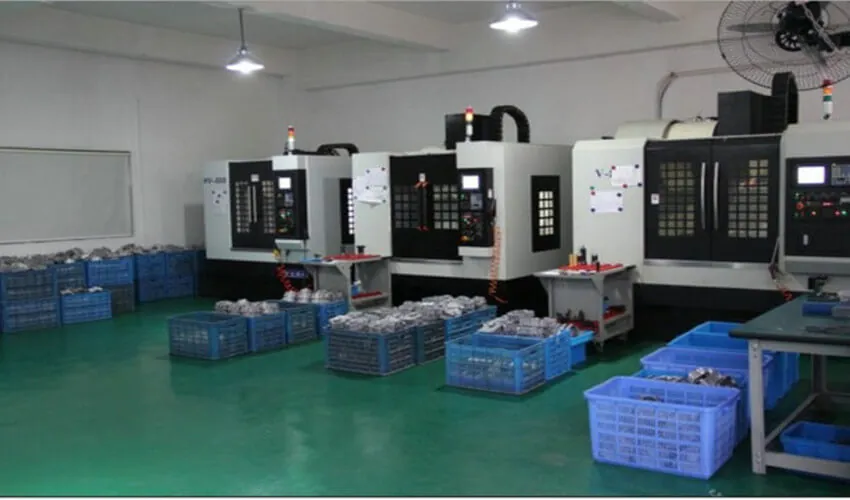
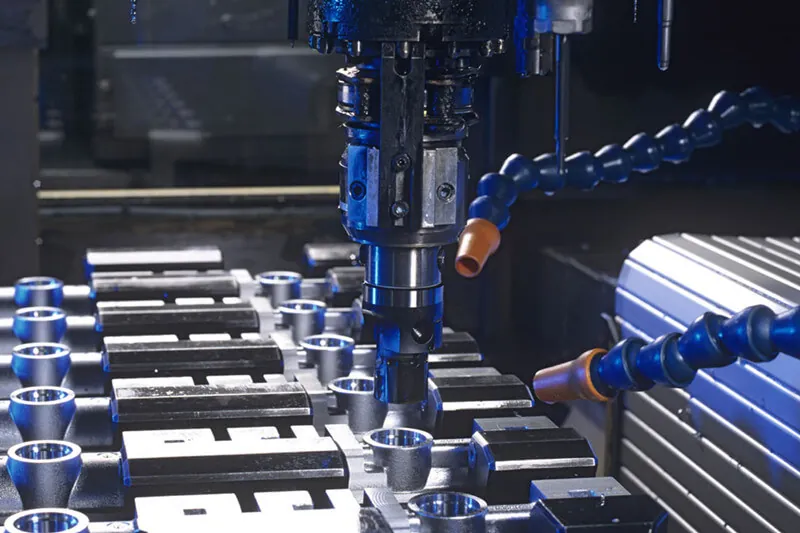
Wuxi Lead Precision Machinery delivers advanced sheet metal forming services engineered for complex, high-tolerance industrial applications. Our integrated manufacturing ecosystem leverages cutting-edge 5-axis CNC technology to execute intricate geometries with uncompromising repeatability. This capability eliminates multi-stage handling, significantly reducing cumulative error while accelerating production cycles for components requiring compound angles, asymmetric contours, or integrated flanges. Our Haas and DMG MORI 5-axis press brakes operate under closed-loop feedback systems, dynamically compensating for material springback and thermal drift to maintain dimensional integrity across production runs. This precision is critical for aerospace brackets, medical device housings, and energy sector enclosures where form-function alignment is non-negotiable.

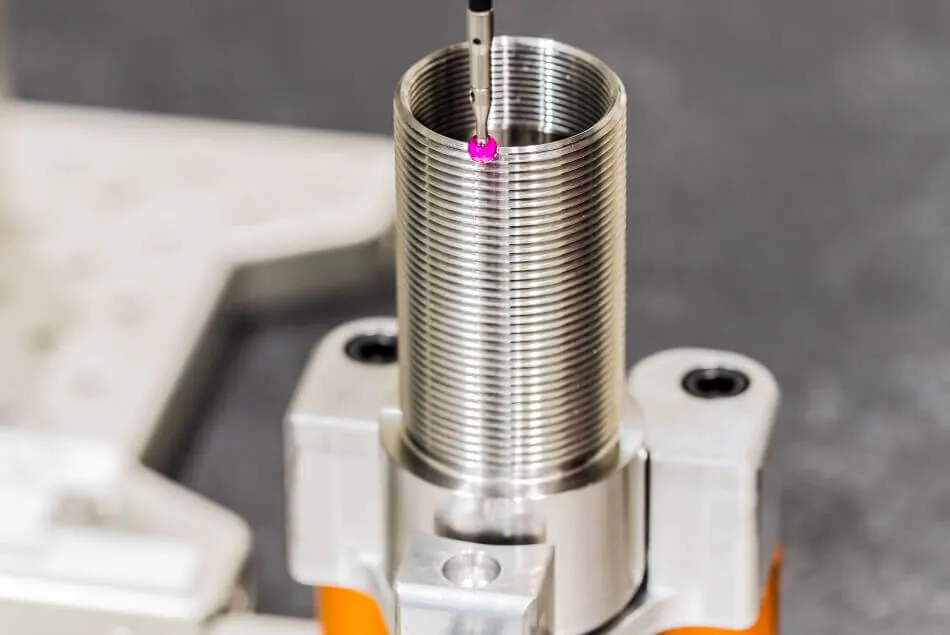
Quality assurance is embedded at every process stage through Zeiss CONTURA CMM systems with 0.0001mm resolution. All critical features undergo 100% first-article inspection against CAD models, with batch sampling validated per ISO 17025 protocols. Our metrology lab provides full traceability through calibrated probes and temperature-controlled environments, ensuring compliance with AS9100 and ISO 13485 standards. Statistical process control (SPC) data streams directly to operators, enabling real-time adjustments that sustain ±0.05mm tolerances even in high-volume production. This rigorous approach minimizes scrap rates and guarantees fit-for-assembly performance in downstream integration.

Material versatility spans 0.5mm to 12.7mm thicknesses across aluminum alloys (6061-T6, 5052), stainless steels (304, 316L), and specialty alloys like Inconel 625. Our tooling library accommodates micro-bends under 3mm radius and deep-draw operations exceeding 150mm depth, supported by finite element analysis (FEA) for springback prediction. All processes adhere to ISO 2768-mK standards, with tighter tolerances achievable through engineered process parameters.

The following table details our standard achievable tolerances for critical forming features:

Material Thickness Feature Type Linear Tolerance Angular Tolerance Notes
0.5mm – 3.0mm Bend Angle ±0.25° ±0.1° Per ISO 2768-mK
0.5mm – 3.0mm Hole Position ±0.05mm Relative to datum
3.1mm – 6.0mm Bend Angle ±0.5° ±0.2° Per ISO 2768-mK
3.1mm – 6.0mm Hole Position ±0.10mm Relative to datum
6.1mm – 12.7mm Bend Angle ±1.0° ±0.5° Per ISO 2768-mK
6.1mm – 12.7mm Hole Position ±0.15mm Relative to datum

This technical foundation enables Wuxi Lead to solve dimensional challenges inherent in next-generation sheet metal assemblies. By converging 5-axis forming agility with metrology-grade validation, we transform design intent into production reality—reducing total cost of ownership through minimized rework and accelerated time-to-market. Our engineering team collaborates directly with clients during DFM analysis to optimize manufacturability without sacrificing performance criteria. For mission-critical components demanding zero-defect delivery, our capabilities provide the precision backbone modern industries require.


Material & Finish Options

sheet metal forming services manufacturing

Material Selection for Precision Sheet Metal Forming

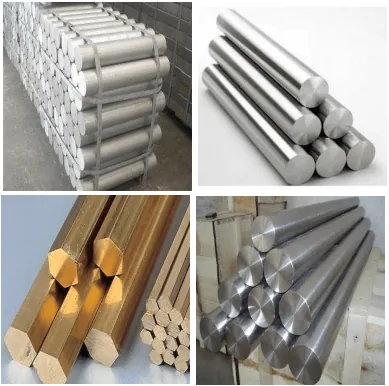
Selecting the appropriate material is a foundational step in achieving optimal performance, durability, and cost-efficiency in sheet metal forming applications. At Wuxi Lead Precision Machinery, we specialize in high-precision forming of aluminum, steel, and titanium—each offering distinct mechanical properties, formability characteristics, and environmental resistance. Understanding these differences enables engineers and procurement teams to align material choice with functional requirements, production volume, and end-use conditions.

Aluminum is widely favored for its high strength-to-weight ratio, excellent thermal and electrical conductivity, and natural corrosion resistance. It is particularly suitable for aerospace, transportation, and electronics enclosures where weight reduction is critical. Grade 5052 and 6061 aluminum are commonly used in forming due to their superior ductility and weldability. While aluminum is softer than steel, it can be strengthened through strain hardening and post-forming heat treatments.

Steel remains the most widely used material in industrial applications due to its high tensile strength, durability, and cost-effectiveness. Cold-rolled steel (CRS) and galvanized steel are preferred for enclosures, chassis, and structural components. While less corrosion-resistant than aluminum or titanium, steel can be protected through coatings such as powder coating, plating, or anodizing alternatives like zinc flake. Its superior formability under high force makes it ideal for complex deep-draw operations.

Titanium, though more expensive and challenging to form, offers exceptional strength-to-density ratio and outstanding resistance to extreme environments, including high temperatures and corrosive media. Grade 2 and Grade 5 titanium are commonly used in aerospace, medical, and defense applications where reliability under stress and weight constraints is paramount. Titanium requires specialized tooling and slower forming speeds due to its low thermal conductivity and tendency to gall.

Surface Finishing: The Role of Anodizing

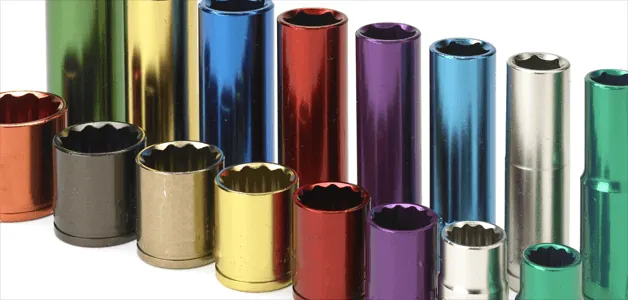
Anodizing is a critical electrochemical finishing process primarily applied to aluminum to enhance surface hardness, wear resistance, and corrosion protection. The process creates a controlled oxide layer that is integral to the base metal, ensuring durability and adhesion. Type II (sulfuric acid) anodizing is standard for decorative and moderate-duty applications, offering a range of color options. Type III, or hard anodizing, delivers a thicker, denser coating suitable for high-wear environments.

While anodizing is exclusive to aluminum, steel and titanium benefit from alternative surface treatments. Steel may be passivated, plated, or painted, while titanium is often bead-blasted or anodized for color coding in medical devices—though this titanium anodizing is decorative, not protective.

The table below summarizes key properties of common sheet metal forming materials:

Material Typical Grades Tensile Strength (MPa) Density (g/cm³) Formability Common Applications
Aluminum 5052, 6061 190–310 2.7 High Enclosures, aerospace panels
Steel CR1018, Galvanized 340–550 7.8 Moderate Industrial frames, chassis
Titanium Grade 2, Grade 5 345–1000 4.5 Low Aerospace, medical implants

Material and finish selection directly impact tooling design, production cycle time, and final part performance. At Wuxi Lead, our engineering team collaborates with clients to optimize these choices based on application demands, ensuring precision, repeatability, and long-term value in every formed component.


Manufacturing Process & QC

sheet metal forming services manufacturing

Sheet Metal Forming: Precision Engineering from Concept to Volume Production

Precision sheet metal forming begins with rigorous design validation. Our engineering team conducts comprehensive Design for Manufacturability (DFM) analysis using advanced CAD/CAM software, identifying potential stress points, springback effects, and tooling constraints before any material is cut. We collaborate closely with your design team to optimize part geometry for structural integrity, cost efficiency, and seamless manufacturability, ensuring material selection aligns with application requirements for strength, corrosion resistance, and finish. This upfront engineering eliminates costly revisions downstream and establishes the foundation for zero defects.

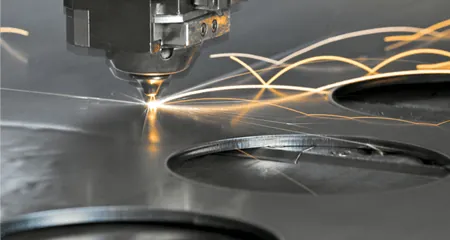
Prototyping is not merely a validation step but a critical process refinement phase. Utilizing high-precision CNC press brakes and laser cutting systems, we produce functional prototypes matching final production intent. Each prototype undergoes stringent dimensional inspection against CAD models using CMM and optical comparators, alongside rigorous functional and fit-check testing within your specified assemblies. This phase validates tooling kinematics, material behavior, and secondary operation sequencing. Any deviations trigger immediate root cause analysis and process parameter adjustments, ensuring the production process is fully de-risked before volume launch.

Mass production execution is governed by our Zero Defects Manufacturing System. Fully automated press brake cells with in-process laser measurement provide real-time feedback, dynamically compensating for material variability and thermal drift. Every production run implements Statistical Process Control (SPC) monitoring critical dimensions, with data logged against each serial-numbered part batch. Our integrated Quality Management System, certified to ISO 9001, mandates First Article Inspection (FAI) per AS9102 for aerospace clients and full traceability of material certs and process parameters. Preventive actions, including Failure Mode and Effects Analysis (FMEA) updates based on production data, ensure continuous process stability and eliminate defect escape.

Our core production capabilities support demanding applications across industries. Key technical parameters include:

Parameter Capability Range Precision Tolerance
Material Thickness 0.5 mm to 6.0 mm ±0.05 mm (Thickness)
Bend Angle 5° to 175° ±0.25°
Linear Dimension Up to 3000 mm ±0.1 mm / 300 mm
Hole Positioning Via CNC Turret or Laser ±0.05 mm
Max Part Size 1500 mm x 3000 mm
Surface Finish Control Ra 0.8 µm to Ra 3.2 µm

This disciplined progression from validated design through rigorously tested prototyping to tightly controlled mass production guarantees consistent output meeting exacting specifications. The Zero Defects philosophy is embedded in every工序, transforming engineering intent into flawless physical components, reducing your total cost of quality, and ensuring on-time delivery of mission-critical sheet metal assemblies. Partner with Wuxi Lead for manufacturing execution where precision is non-negotiable.


Why Choose Wuxi Lead Precision

Partner with Wuxi Lead Precision Machinery for Advanced Sheet Metal Forming Services

When precision, consistency, and engineering excellence define your manufacturing requirements, partnering with Wuxi Lead Precision Machinery ensures your sheet metal forming projects meet the highest global standards. As a leading provider of custom sheet metal fabrication in China, we specialize in delivering high-tolerance forming solutions for industries including aerospace, automotive, medical devices, and industrial equipment. Our advanced CNC press brakes, skilled technicians, and ISO-certified quality systems enable us to transform complex designs into reliable, repeatable components.

At Lead Precision, we understand that every forming project begins with a detailed engineering review. Our team collaborates closely with clients to analyze material properties, bend allowances, tooling requirements, and geometric tolerances. Whether you require simple 90-degree bends or multi-stage forming of high-strength alloys, our press brake fleet handles materials from 0.5 mm to 12 mm in thickness with precision down to ±0.1 mm. We process a wide range of substrates, including cold-rolled steel, stainless steel (304, 316), aluminum (5052, 6061), and galvanized sheet, ensuring optimal performance under real-world conditions.

Our facility leverages state-of-the-art Amada and Trumpf press brakes equipped with automatic tool changers, CNC backgauges, and laser-assisted alignment systems. This advanced infrastructure allows us to maintain tight tolerances across high-volume production runs while minimizing setup times and reducing lead times. All forming operations are supported by in-house laser cutting, punching, and welding capabilities, enabling seamless integration from raw blank to finished component.

We are committed to transparency, traceability, and responsiveness. Every project is managed through a structured workflow that includes design for manufacturability (DFM) feedback, first-article inspection reports (FAIR), and real-time production updates. Our quality management system is ISO 9001:2015 certified, with full documentation and material traceability available upon request.

Below are key specifications for our sheet metal forming capabilities:

Parameter Specification
Material Thickness Range 0.5 mm – 12 mm
Maximum Bending Length 3,200 mm
Tolerance Accuracy ±0.1 mm
Minimum Bending Radius 0.5 x Material Thickness
Press Brake Tonnage Range 35 to 300 tons
Supported Materials Mild Steel, Stainless Steel (304, 316), Aluminum (5052, 6061), Galvanized Steel
Software Integration SolidWorks, AutoCAD, DXF/DWG, STEP file support

Partnering with Wuxi Lead Precision Machinery means gaining a long-term manufacturing ally focused on quality, innovation, and on-time delivery. If you are seeking a trusted provider for precision sheet metal forming services, contact us today at [email protected]. Our engineering team is ready to review your next project, provide expert guidance, and deliver components that meet your exact specifications. Let Lead Precision be the foundation of your manufacturing success.


⚙️ Precision Cost Estimator

Estimate relative manufacturing effort based on tolerance.

Sheet Metal Forming Services Manufacturer | Precision CNC Guide

Contents of Table

Contact [email protected] Whatsapp 86 15951276160