Silicone Molded Products Manufacturer | Precision CNC Guide

Engineering Guide: Silicone Molded Products

silicone molded products manufacturing

Engineering Insight Precision Imperatives in Silicone Molded Products

Silicone molded products demand uncompromising precision from initial design through final production. Unlike rigid thermoplastics, liquid silicone rubber (LSR) exhibits unique flow characteristics, significant thermal expansion, and post-cure shrinkage that directly challenge dimensional stability. Even minor deviations in mold geometry or process control propagate into critical failures—seal leakage, assembly interference, or compromised biocompatibility in medical devices. The inherent flexibility of silicone magnifies the consequences of imprecise tooling; a 0.05mm cavity error can result in a functional defect exceeding 0.2mm in the final part. This necessitates metal tooling engineered to exacting standards far beyond conventional plastic molding, where mold steel stability, thermal management, and gating precision become non-negotiable factors for success.

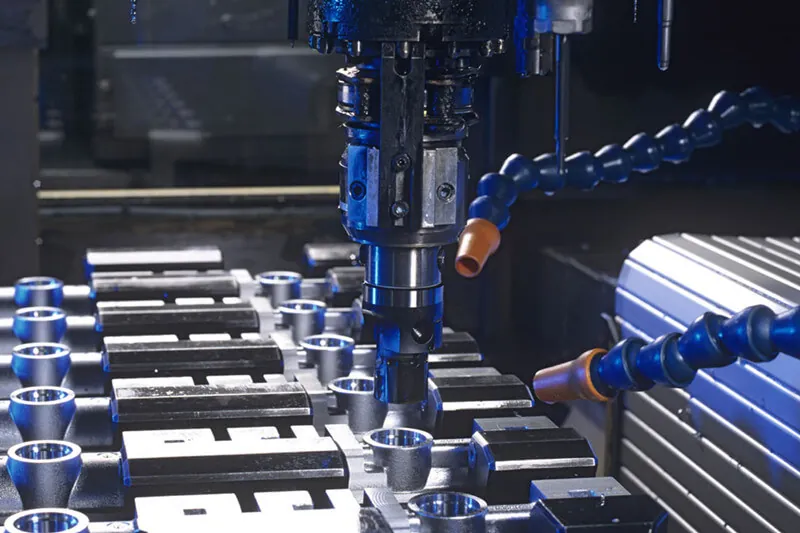
At Wuxi Lead Precision Machinery, our expertise in custom metal manufacturing forms the bedrock of reliable silicone molding. We recognize that the mold is the product specification. Our engineering process integrates finite element analysis (FEA) for thermal distortion prediction and mold flow simulation specific to LSR viscosity profiles. This ensures cavity geometry compensates for material behavior, maintaining tight tolerances across production runs. Precision CNC machining of H13 or 420 stainless steel molds—achieved through multi-axis grinding and wire EDM—delivers the sub-micron surface finishes and geometric accuracy required to control flash, parting line definition, and critical feature replication. Material selection for cores, cavities, and inserts is rigorously validated against chemical resistance and thermal cycling demands, preventing premature wear that erodes precision.

Our commitment to precision is proven in applications where failure is not an option. We have supplied mission-critical silicone components for aerospace hydraulic systems subjected to extreme vibration and temperature cycles, alongside medical devices requiring ISO 13485-certified consistency for implantable applications. Notably, our molds contributed to components used in official equipment for the Beijing Winter Olympics, enduring rigorous validation for performance under harsh alpine conditions. Military-grade sealing solutions we produced underwent stringent MIL-STD environmental testing, validating dimensional integrity after exposure to sand, salt fog, and rapid thermal shifts. These projects demanded tolerances and repeatability exceeding standard industry benchmarks, forging our methodology for high-reliability silicone molding.

The table below outlines the precision capabilities inherent in our silicone molding process development and tooling:

Specification Parameter Standard Commercial Capability High-Reliability Capability (Olympic/Military Grade)
Dimensional Tolerance (mm) ±0.10 ±0.05
Critical Feature Tolerance ±0.08 ±0.03
Surface Roughness (Ra, µm) 0.8 0.4
Mold Cavity Matching (mm) ≤ 0.05 ≤ 0.02
Production Run Consistency CpK ≥ 1.33 CpK ≥ 1.67

Precision in silicone molding transcends mere measurement; it is the convergence of advanced metallurgy, predictive engineering, and disciplined process control. For industries where performance and safety are paramount, the mold’s fidelity to the engineered intent is the decisive factor. Wuxi Lead Precision Machinery applies its deep metal manufacturing heritage—refined through Olympic and defense projects—to deliver silicone molded products where dimensional certainty is engineered in, not inspected out. This is the standard for critical applications.


Precision Specs & Tolerances

silicone molded products manufacturing

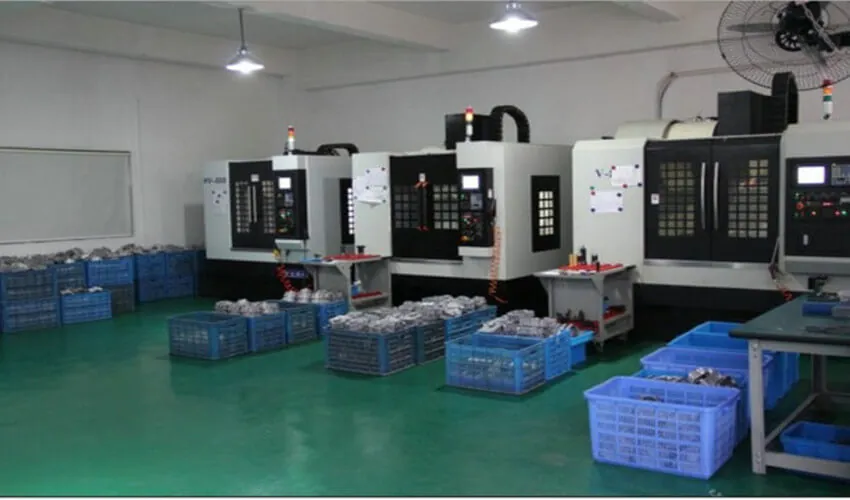
Wuxi Lead Precision Machinery delivers advanced technical capabilities in custom metal manufacturing, specifically engineered to support high-integrity silicone molded product development. Our expertise lies in producing precision tooling, molds, and supporting components that meet the stringent demands of industries such as medical devices, automotive, consumer electronics, and aerospace. At the core of our manufacturing excellence is a fully integrated 5-axis CNC machining platform, enabling us to execute complex geometries with superior surface finishes and dimensional accuracy.

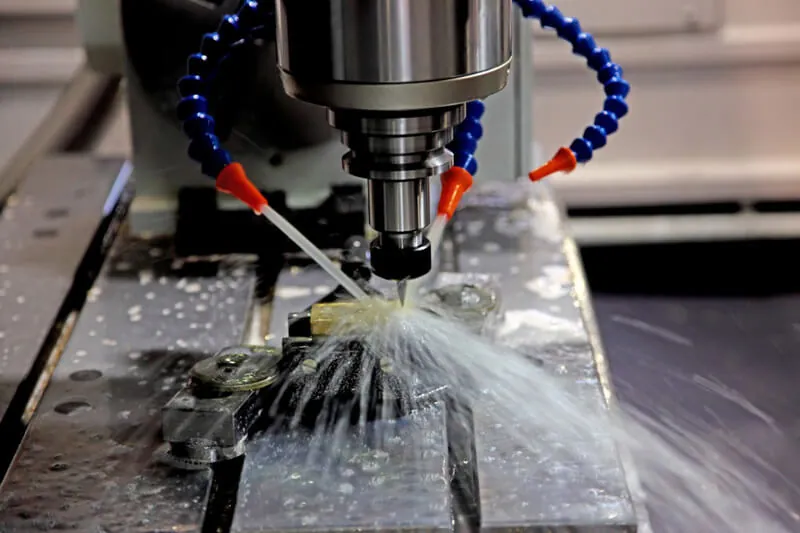
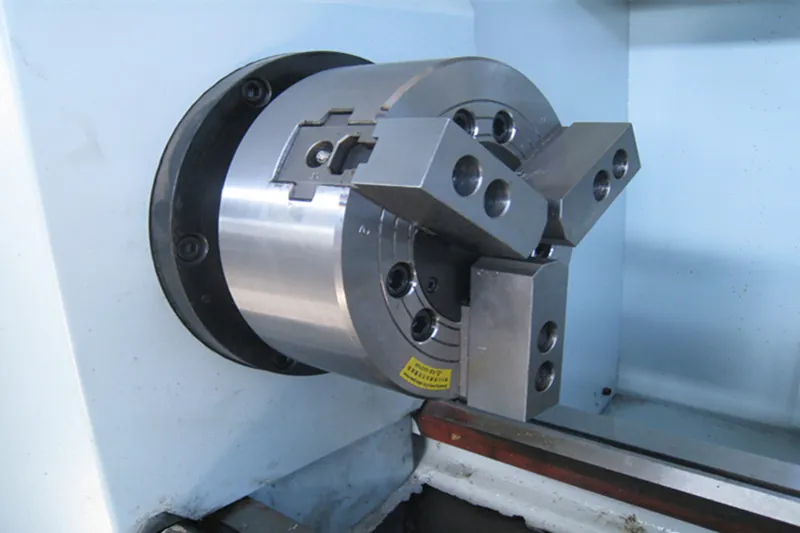
Our 5-axis CNC systems allow simultaneous multi-directional cutting, reducing setup times and enhancing part consistency. This capability is critical when fabricating mold cavities, cores, and inserts for silicone molding, where intricate details and tight tolerances directly influence final product performance. With a focus on high-speed, high-precision machining, we work with a range of materials including hardened steels, aluminum alloys, and stainless materials, all selected to ensure thermal stability, wear resistance, and long mold service life.

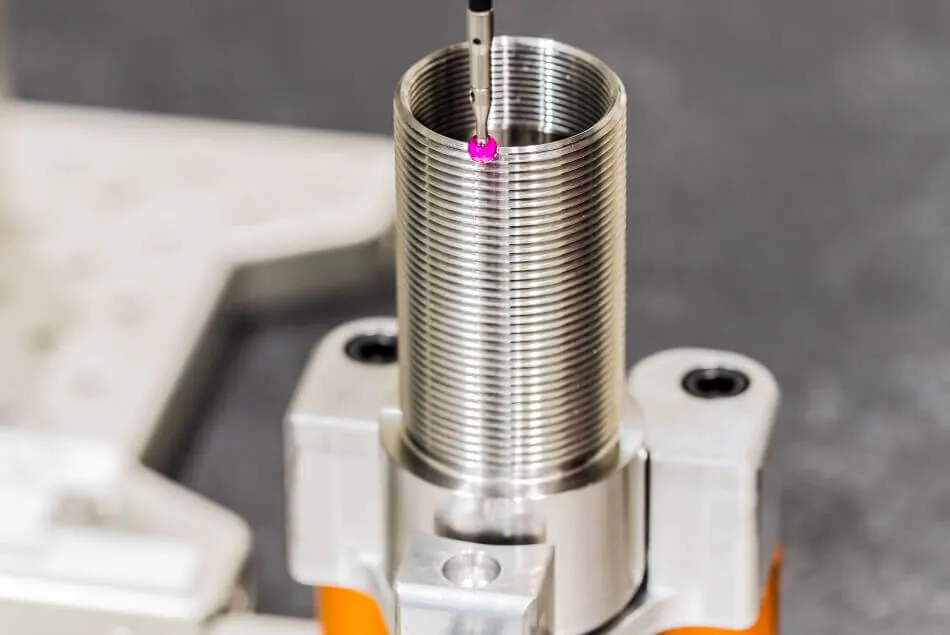
Quality assurance is embedded throughout our production workflow. Every component undergoes rigorous inspection using a state-of-the-art Coordinate Measuring Machine (CMM), ensuring full compliance with design specifications. The CMM system provides traceable, high-resolution metrology data, allowing for comprehensive dimensional analysis and first-article inspection reports. This level of precision validation is essential for clients requiring ISO 13485, IATF 16949, or other regulated industry certifications.

We maintain strict environmental controls within our machining and inspection areas to minimize thermal drift and ensure measurement repeatability. In addition, our engineering team collaborates closely with clients during the design-for-manufacturability (DFM) phase, offering feedback on moldability, parting lines, gate locations, and ejector systems to optimize both the metal components and the resulting silicone molded parts.

The table below outlines our standard machining tolerances, reflecting our commitment to precision and consistency across production runs.

Feature Standard Tolerance High-Precision Capability
Linear Dimensions (mm) ±0.01 mm ±0.005 mm
Hole Diameter ±0.01 mm ±0.007 mm
Positional Tolerance ±0.01 mm ±0.005 mm
Surface Roughness (Ra) 0.8 µm 0.4 µm
Flatness 0.01 mm per 100 mm 0.005 mm per 100 mm
Angular Tolerance ±0.05° ±0.02°

These technical capabilities position Wuxi Lead Precision Machinery as a trusted partner in the development of high-performance silicone molding systems. By combining advanced 5-axis CNC machining with certified quality control processes, we ensure that every metal component we produce contributes directly to the reliability, repeatability, and quality of the final silicone molded product.


Material & Finish Options

silicone molded products manufacturing

Material Selection for Precision Silicone Molding Tools

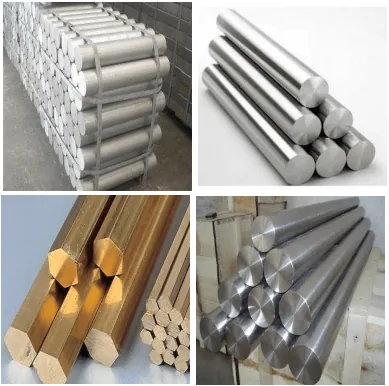
Selecting the optimal base material for silicone molding tools directly impacts part quality, production efficiency, and total cost of ownership. At Wuxi Lead Precision Machinery, we engineer molds exclusively from aerospace-grade metals to ensure dimensional stability under high-temperature vulcanization cycles. Aluminum alloys offer the fastest thermal response for rapid prototyping and low-volume production, reducing cycle times by up to 30% compared to steel. However, their lower hardness limits use in abrasive silicone compounds or extended high-volume runs. Tool steel variants like H13 or S7 provide superior wear resistance for millions of cycles, maintaining critical tolerances in complex geometries. Titanium alloys serve niche applications requiring extreme corrosion resistance against aggressive catalysts, though their high cost and challenging machinability necessitate rigorous justification.

Material properties must align with silicone formulation chemistry and production demands. Abrasive-filled silicones rapidly degrade softer aluminum molds, while platinum-cure systems demand exceptional surface integrity to prevent catalytic contamination. Below are key comparative specifications for common mold materials:

Material Typical Grade Hardness (HRC) Thermal Conductivity (W/m·K) Corrosion Resistance Typical Mold Life (Cycles)
Aluminum Alloy 7075-T6 15-20 130-200 Moderate 5,000 – 50,000
Tool Steel H13 48-52 28-36 Good 500,000 – 1,000,000+
Titanium Alloy Ti-6Al-4V 32-36 6-22 Excellent 200,000 – 500,000

Surface finishing is equally critical for part release and longevity. Anodizing transforms aluminum molds by creating a porous, non-conductive oxide layer that resists silicone adhesion. Type II (sulfuric acid) anodizing at 10-25 microns thickness provides standard release properties for most LSR applications. For aggressive compounds or ultra-fine surface details, Type III (hardcoat) anodizing at 50+ microns delivers exceptional wear resistance but requires tighter dimensional allowances during machining. Steel molds typically utilize electroless nickel plating or specialized PVD coatings instead of anodizing, as steel does not form a stable anodic layer.

The optimal choice balances initial tooling investment against production volume and silicone compound characteristics. Aluminum with Type II anodizing suits 90% of prototyping and mid-volume medical or consumer silicone parts. High-volume automotive or aerospace seals demand tool steel with precision polishing to Ra <0.05µm. Titanium remains reserved for highly corrosive environments where mold replacement costs outweigh material premiums. Partner with Wuxi Lead early in design to analyze your specific silicone formulation, part geometry, and lifecycle requirements—we provide material certification and thermal validation data to eliminate production risks.


Manufacturing Process & QC

silicone molded products manufacturing

Design: Precision Engineering at the Foundation

The journey of creating high-performance silicone molded products begins with meticulous design engineering. At Wuxi Lead Precision Machinery, our design phase integrates advanced CAD modeling with material science expertise to ensure every component meets exact functional and dimensional requirements. Engineers collaborate closely with clients to analyze application conditions, thermal exposure, mechanical stress, and sealing requirements. Finite element analysis (FEA) and mold flow simulation are employed to predict material behavior during curing, minimizing risks of warpage, voids, or incomplete fills. Design for manufacturability (DFM) reviews are conducted to optimize part geometry, draft angles, gate locations, and ejection systems—ensuring seamless transition into prototyping and production. All design data is version-controlled and documented to support traceability and compliance with ISO 9001 standards.

Prototyping: Validating Performance Before Scale

Once the design is finalized, a functional prototype is produced using high-precision CNC-machined molds or 3D-printed tooling, depending on complexity and volume needs. This phase enables physical validation of fit, form, and function under real-world conditions. Prototypes undergo rigorous testing, including compression set analysis, tensile strength measurement, and environmental exposure (e.g., UV, ozone, extreme temperatures from -50°C to +200°C). Feedback from testing is systematically incorporated into design refinements, ensuring performance reliability before committing to mass production. Lead times for prototyping typically range from 7 to 14 days, with expedited options available for urgent development cycles.

Mass Production: Zero-Defect Manufacturing Execution

Our mass production process is built on a foundation of automation, statistical process control (SPC), and 100% inline inspection protocols. Silicone molding is performed using fully automated hydraulic presses with precise temperature and pressure control, ensuring consistent vulcanization across batches. Liquid Silicone Rubber (LSR) and High Consistency Rubber (HCR) are processed in climate-controlled environments to prevent contamination. Each production run begins with first-article inspection (FAI), followed by real-time monitoring of key process parameters. Vision systems and laser micrometers inspect critical dimensions on every part, rejecting non-conforming units automatically. All finished products are packaged in ESD-safe, cleanroom-compatible materials and shipped with full inspection reports.

Typical Production Specifications

Parameter Specification
Material Types LSR, HCR, Fluorosilicone, Platinum-Cured Silicone
Hardness Range (Shore A) 10 to 80
Tolerance Capability ±0.05 mm (standard), ±0.02 mm (tight-tolerance)
Temperature Resistance -50°C to +200°C (up to +300°C short-term)
Production Capacity Up to 500,000 units/month
Quality Standard ISO 9001:2015, PPAP, FAI, SPC, 100% dimensional inspection

Through integrated design, validated prototyping, and disciplined mass production, Wuxi Lead Precision Machinery delivers silicone molded components with zero-defect consistency, tailored for demanding industries including medical devices, automotive, and aerospace.


Why Choose Wuxi Lead Precision

Partner with Lead Precision for Uncompromised Silicone Molding Excellence

In the high-stakes realm of silicone molded products, success hinges on the precision and reliability of your metal tooling foundation. Silicone’s unique material behavior—thermal expansion, flow characteristics, and adhesion properties—demands mold components engineered to exacting tolerances. Generic tooling invites defects: flash, parting line mismatches, or premature wear. At Wuxi Lead Precision Machinery, we specialize in custom metal manufacturing engineered explicitly for silicone molding applications. Our CNC-machined cavities, cores, and inserts eliminate variables that compromise yield, ensuring your production runs achieve maximum efficiency and part consistency. We don’t just fabricate tooling; we solve the metallurgical and geometric challenges inherent in high-performance silicone molding.

Our capabilities directly address critical pain points in silicone manufacturing. Precision-ground shut-off surfaces prevent flash even under high injection pressure. Optimized venting geometry, machined to micron-level accuracy, ensures complete cavity filling without air traps. We select and treat materials like H13 tool steel or 17-4PH stainless steel to withstand silicone’s aggressive additives and repeated thermal cycling, extending mold life by 40% compared to standard solutions. This isn’t theoretical—we validate every component against your silicone compound’s rheology and cure profile during the design phase.

The following specifications define our baseline for silicone molding tooling:

Parameter Capability Impact on Silicone Molding
Linear Tolerance ±0.005 mm (0.0002″) Eliminates flash and parting line mismatches
Surface Finish Ra 0.05 µm (2 µin) Prevents silicone adhesion and surface defects
Material Options H13, 420SS, 17-4PH SS Resists chemical degradation and thermal fatigue
Hardness 48-52 HRC (as required) Balances wear resistance and machinability
Lead Time (Typical) 18-25 working days Accelerates time-to-market for critical runs

Beyond specifications, our value lies in collaborative engineering. We integrate seamlessly with your design team, converting complex geometries—multi-cavity layouts, micro-features, or overmold interfaces—into robust, production-ready tooling. Our facility in Wuxi operates under ISO 9001 protocols with real-time SPC monitoring, ensuring every dimension meets your silicone process requirements. When thermal stability or coefficient of thermal expansion (CTE) matching becomes critical, we leverage material science expertise to select alloys that counteract silicone’s expansion during cure, reducing post-molding distortion.

The cost of rework or downtime in silicone molding far exceeds the investment in precision tooling. Partner with Wuxi Lead Precision Machinery to transform your silicone production from a variable process into a repeatable asset. We deliver not just components, but confidence in every cycle. Contact our engineering team today to discuss your specific compound, geometry, and volume requirements. Request a technical consultation and receive a detailed capability assessment within 24 hours.

Reach out to initiate your project: [email protected]. Let us engineer the metal foundation that makes your silicone molded products exceptional. Your next breakthrough begins with a single email.


⚙️ Precision Cost Estimator

Estimate relative manufacturing effort based on tolerance.

Silicone Molded Products Manufacturer | Precision CNC Guide

Contents of Table

Contact [email protected] Whatsapp 86 15951276160