Technical Contents
Engineering Guide: [Thermoplastic Molding]
![[thermoplastic molding] manufacturing](https://leadmachinery.net/wp-content/uploads/2025/12/thermoplastic-molding-1765140984.jpg)
Engineering Insight Thermoplastic Molding Precision as the Foundational Imperative
Thermoplastic molding transcends simple material shaping; it is a high-stakes convergence of material science, thermal dynamics, and micron-level geometric control. At its core lies the metal tooling – the mold – whose dimensional and thermal precision directly dictates the quality, consistency, and functionality of every plastic component produced. For mission-critical applications in aerospace, medical devices, and advanced electronics, tolerances measured in microns are non-negotiable. A deviation of 0.01mm in cavity flatness or cooling channel alignment can propagate into part warpage, inconsistent wall thickness, or surface defects, rendering components unusable in demanding assemblies. This precision is not merely desirable; it is the absolute prerequisite for performance, safety, and regulatory compliance.
The consequences of insufficient mold precision are severe and costly. Inconsistent cooling rates induce internal stresses, leading to premature part failure under load or thermal cycling. Flash formation at parting lines necessitates secondary operations, increasing lead times and costs while introducing contamination risks. Most critically, dimensional instability across production runs disrupts automated assembly lines, causing costly downtime and scrap. Achieving the required repeatability demands more than standard machining; it requires a holistic understanding of how mold steel behavior under extreme cyclic thermal loads interacts with polymer flow dynamics. This necessitates advanced simulation, ultra-precise multi-axis CNC machining, and rigorous in-process metrology far exceeding typical industry benchmarks.
Wuxi Lead Precision Machinery operates at this pinnacle of precision metal manufacturing. Our expertise is forged in environments where failure is not an option. We have engineered and produced critical mold components for systems deployed in Olympic timing infrastructure, where microsecond accuracy is paramount, and for ruggedized military communication connectors subjected to extreme vibration and environmental stress. This heritage instills a culture of uncompromising quality control and deep process understanding. We recognize that thermoplastic molding success begins with the absolute fidelity of the metal tool.
Our commitment manifests in measurable capabilities, as reflected in the critical specifications we consistently achieve for high-performance thermoplastic molds:
| Parameter | Critical Tolerance | Industry Standard | Lead Precision Capability |
|---|---|---|---|
| Cavity Flatness | ≤ 0.005 mm | ≤ 0.010 mm | ≤ 0.002 mm |
| Core/Cavity Alignment | ≤ 0.008 mm | ≤ 0.015 mm | ≤ 0.003 mm |
| Cooling Channel Position | ≤ 0.020 mm | ≤ 0.050 mm | ≤ 0.008 mm |
| Surface Finish (Ra) | ≤ 0.05 µm | ≤ 0.10 µm | ≤ 0.025 µm |
| Thermal Uniformity | Δ ≤ 2°C | Δ ≤ 5°C | Δ ≤ 1°C |
This level of precision is achieved through our integrated approach: proprietary heat treatment protocols minimizing distortion, 5-axis machining centers operating within sub-micron repeatability, and real-time thermal validation during mold trials. We do not merely manufacture molds; we engineer the foundational precision that enables our clients’ thermoplastic components to perform flawlessly in the world’s most demanding applications. Partner with Lead Precision to transform thermoplastic molding from a production step into a strategic advantage.
Precision Specs & Tolerances
![[thermoplastic molding] manufacturing](https://leadmachinery.net/wp-content/uploads/2025/12/thermoplastic-molding-1765141008.jpg)
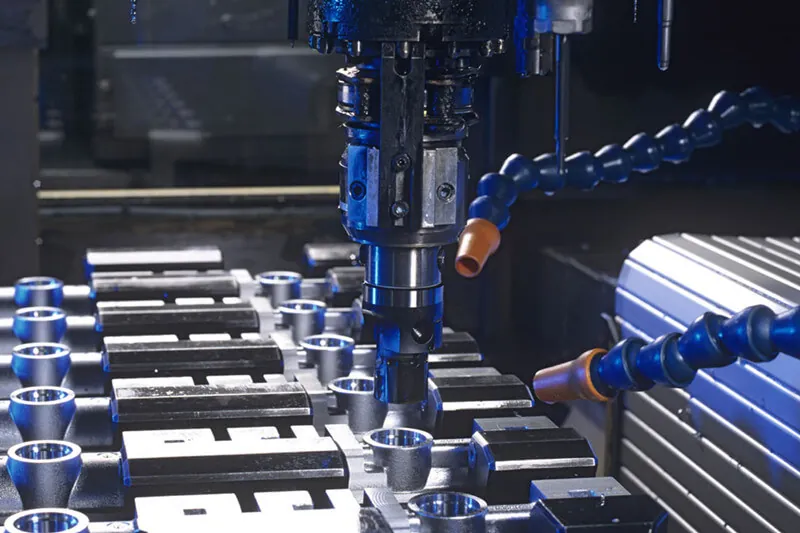
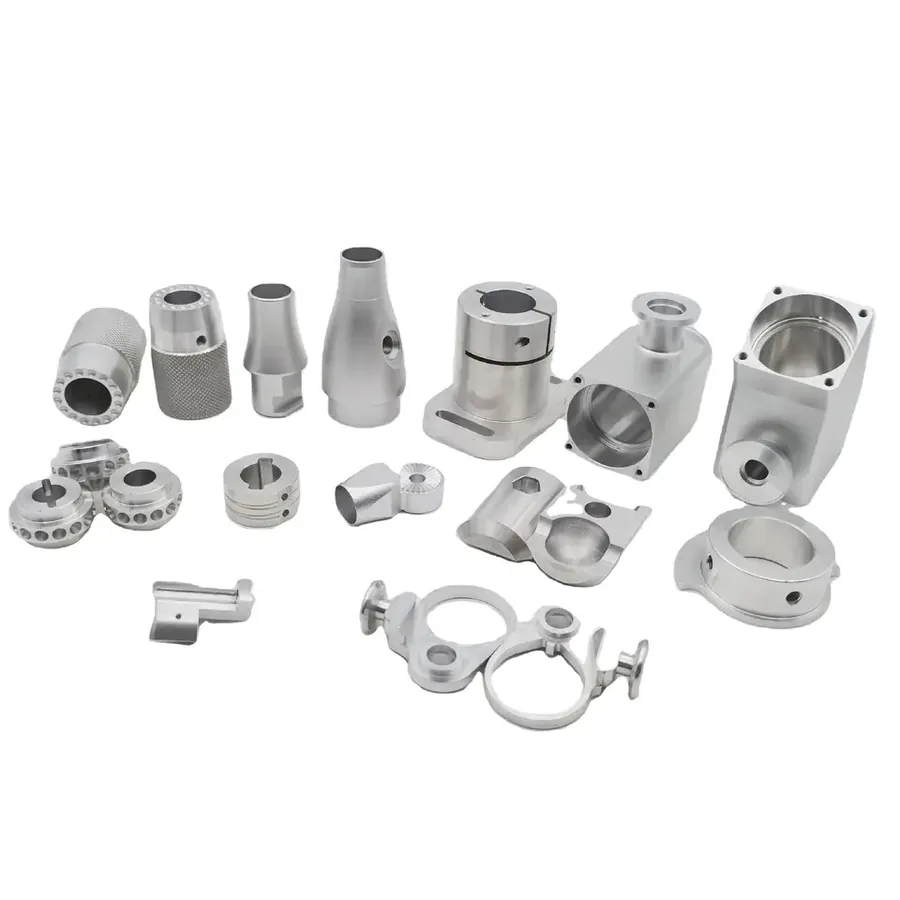
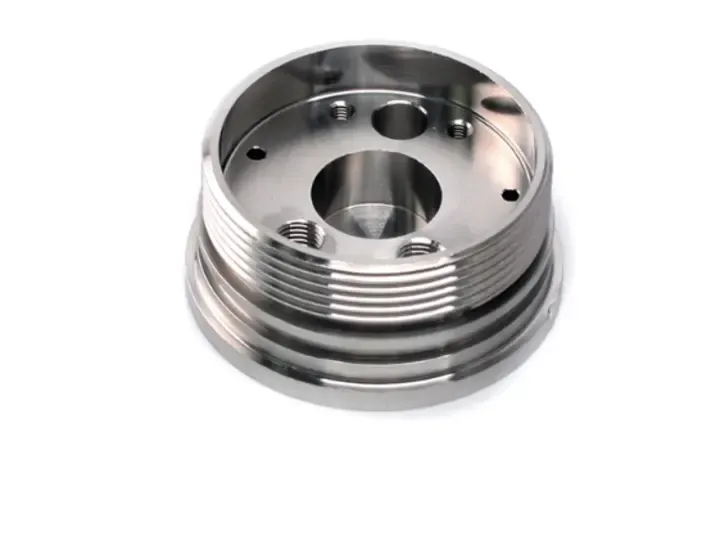
Wuxi Lead Precision Machinery delivers advanced thermoplastic molding solutions through precision engineering and state-of-the-art metal manufacturing technologies. Our technical capabilities are built around high-performance 5-axis CNC machining centers, enabling us to produce complex, tight-tolerance molds and tooling essential for high-repeatability thermoplastic molding operations. These multi-axis systems allow simultaneous cutting from five different angles, minimizing setup changes and ensuring superior geometric accuracy, surface finish, and part consistency. By leveraging 5-axis technology, we manufacture intricate cavity and core inserts, lifters, slides, and ejection systems with exceptional precision, directly contributing to the performance and longevity of thermoplastic molds.
All machining processes are supported by a comprehensive digital workflow, integrating CAD/CAM software with real-time toolpath simulation and collision detection. This ensures optimal tool engagement, reduced cycle times, and avoidance of material waste. Our machines operate with sub-micron positioning accuracy and are maintained under strict environmental controls to mitigate thermal drift, a critical factor in achieving consistent dimensional outcomes. Materials commonly processed include P20, H13, S136, and other mold-grade steels, as well as aluminum and copper alloys for rapid tooling applications.
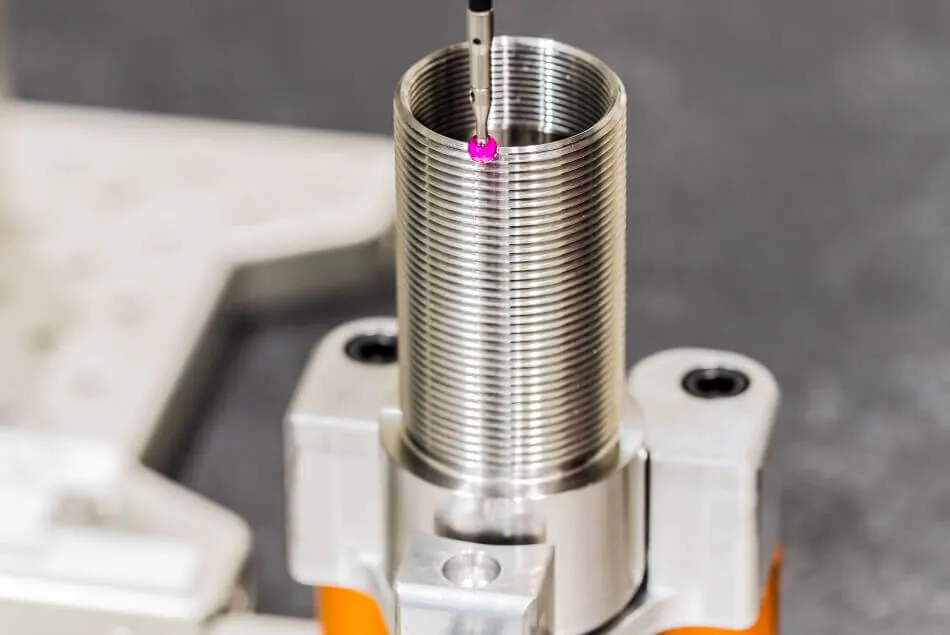
Quality assurance is embedded at every stage of production. Each component undergoes rigorous inspection using a Zeiss DuraMax and Contura G2 Coordinate Measuring Machine (CMM), providing full 3D verification against nominal CAD data. Our CMM systems deliver measurement accuracy down to ±2.5 µm + L/300 µm, ensuring compliance with international standards such as ISO 10360. In addition to dimensional verification, we perform surface roughness testing, hardness validation, and first-article inspection reports (FAIR) upon request. All inspection data is documented and archived for full traceability, supporting industries where compliance and repeatability are mandatory, such as medical, automotive, and aerospace.
The following table outlines the standard tolerances achievable across our thermoplastic molding tooling and related components:
| Feature | Standard Tolerance | High-Precision Capability | Measurement Method |
|---|---|---|---|
| Linear Dimensions | ±0.010 mm | ±0.005 mm | CMM, Micrometer |
| Positional Tolerance | ±0.015 mm | ±0.008 mm | CMM |
| Flatness | 0.010 mm per 100 mm | 0.005 mm per 100 mm | CMM, Surface Plate |
| Roundness | 0.010 mm | 0.003 mm | CMM, Roundness Tester |
| Surface Roughness (Ra) | 0.8 µm | 0.2 µm | Profilometer |
| Hole Diameter (Drilled) | ±0.015 mm | ±0.008 mm | Pin Gauge, CMM |
| Hole Diameter (Reamed) | ±0.010 mm | ±0.005 mm | Plug Gauge, CMM |
Our technical capabilities are designed to meet the exacting demands of thermoplastic molding applications, where precision directly impacts part quality, cycle time, and tool life. Wuxi Lead Precision Machinery combines advanced equipment, stringent quality control, and deep process expertise to deliver custom metal components that perform reliably in high-volume production environments.
Material & Finish Options
![[thermoplastic molding] manufacturing](https://leadmachinery.net/wp-content/uploads/2025/12/thermoplastic-molding-1765141026.jpg)
Material Selection for Thermoplastic Molding Tooling
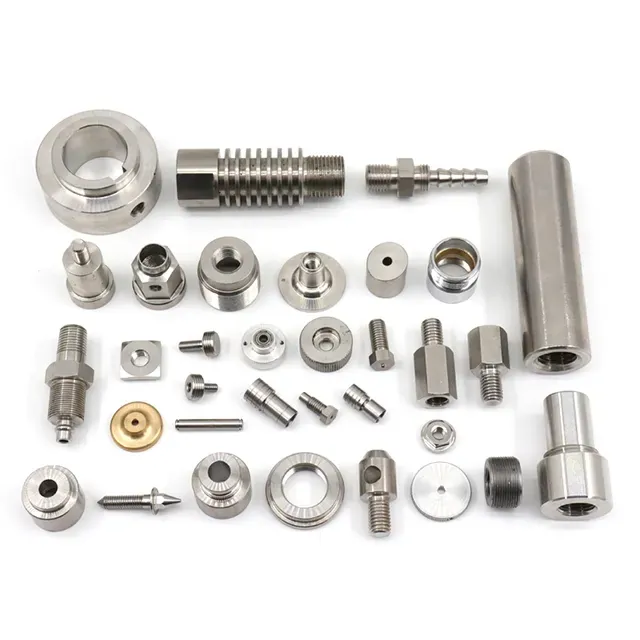
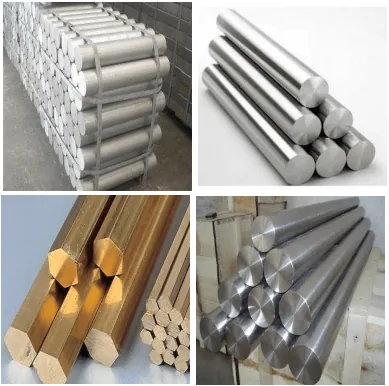
Material selection directly impacts mold longevity, production efficiency, and part quality in thermoplastic molding. At Wuxi Lead Precision Machinery, we prioritize alloys that balance thermal management, wear resistance, and machinability for high-volume or complex applications. Aluminum excels in rapid prototyping and low-to-mid volume runs due to its superior thermal conductivity and ease of machining. Steel remains the standard for high-volume production, offering exceptional hardness and dimensional stability under prolonged thermal cycling. Titanium is reserved for highly corrosive environments or extreme wear scenarios, though its cost and machining complexity necessitate rigorous justification.
The optimal choice depends on production volume, resin abrasiveness, and geometric complexity. Aluminum molds (typically 7075-T6 or 6061-T6) cool faster, reducing cycle times by 20–30% versus steel, but wear prematurely in glass-filled or mineral-reinforced polymers. Tool steel variants (P20, H13, or S136) withstand millions of cycles in demanding applications but require longer lead times for hardening and polishing. Titanium’s corrosion resistance suits aggressive chemical processing but rarely offsets its 3–5× cost premium over premium steels for standard thermoplastics.
Critical Material Properties for Thermoplastic Molding
| Material | Hardness (HB) | Thermal Conductivity (W/m·K) | Typical Cycle Life | Key Applications |
|---|---|---|---|---|
| Aluminum 7075 | 150 | 130 | 10,000–100,000 | Prototypes, low-volume runs |
| P20 Steel | 280–320 | 30 | 500,000+ | General-purpose production |
| H13 Steel | 450–500 | 25 | 1,000,000+ | High-temperature resins |
| Titanium Gr5 | 330 | 7 | 500,000+ | Corrosive environments |
Surface finishing is equally critical. Anodizing transforms aluminum molds by creating a hard, non-conductive oxide layer that resists galling and eases part ejection. Type III (hardcoat) anodizing achieves 50–70 μm thickness with 500–700 HV hardness, essential for abrasive resins like 30% glass-filled nylon. This process also minimizes weld line visibility and improves release consistency. For steel molds, nitriding or PVD coatings (e.g., TiN) enhance wear resistance without compromising thermal stability.
Wuxi Lead Precision Machinery leverages CNC milling and grinding expertise to optimize material performance. We match substrate selection to your resin’s melt temperature, filler content, and annual volume targets—ensuring molds deliver precision and cost efficiency from first article to end-of-life. Partner with us to eliminate guesswork in material specification and accelerate time-to-market.
Manufacturing Process & QC
The production process for thermoplastic molding at Wuxi Lead Precision Machinery follows a disciplined, end-to-end methodology designed to ensure precision, repeatability, and zero defects in every component manufactured. Rooted in advanced engineering and rigorous quality assurance, our workflow spans three core phases: Design, Prototyping, and Mass Production. Each stage integrates cross-functional expertise to deliver custom metal-manufactured parts that meet the highest standards of performance and reliability.
Design begins with a comprehensive analysis of the client’s technical specifications, including material requirements, functional environment, and dimensional tolerances. Our engineering team utilizes 3D CAD modeling and finite element analysis (FEA) to simulate stress, thermal behavior, and flow dynamics during the molding process. This digital validation ensures optimal mold geometry and gate placement, minimizing warpage and internal stress in the final part. Design for manufacturability (DFM) reviews are conducted collaboratively with clients to refine part geometry, reduce complexity, and enhance cycle efficiency without compromising structural integrity.
Prototyping follows design approval, where we produce functional prototypes using high-precision CNC-machined molds or 3D-printed tooling, depending on the project timeline and material compatibility. These prototypes undergo full-scale testing for fit, function, and environmental resistance, including thermal cycling, impact testing, and dimensional inspection via coordinate measuring machines (CMM). This phase serves as a critical validation step, allowing us to identify and correct potential defects before committing to full-scale tooling. Client feedback is incorporated iteratively, ensuring alignment with end-use requirements.
Mass production is initiated only after prototype sign-off and process capability validation. Our automated thermoplastic molding lines operate under strict process control, with real-time monitoring of injection pressure, melt temperature, cooling rate, and clamp force. Each production run is supported by Statistical Process Control (SPC) and First Article Inspection (FAI) protocols to maintain consistency. In-line vision systems and automated dimensional checks ensure 100% inspection capability for critical features. All molds are maintained under preventive maintenance schedules, and environmental controls ensure stable production conditions.
Throughout the process, Wuxi Lead Precision Machinery enforces a zero-defect philosophy. Our quality management system is ISO 9001 certified, and traceability is maintained for every batch through integrated ERP and MES platforms. From raw material verification to final packaging, each step is documented and auditable.
Key production specifications are summarized below:
| Parameter | Capability Range |
|---|---|
| Clamping Force | 50–2,500 tons |
| Shot Weight (Max) | Up to 5,000 g (PS) |
| Tolerance (Standard) | ±0.05 mm |
| Surface Finish | SPI A1, A2, B1, B2, VDI 3400 available |
| Materials Supported | ABS, PC, PBT, PPS, PEEK, Nylon, LCP, PSU |
| Production Capacity | Up to 5 million parts/year per line |
| Automation Level | Fully automated with robotic part handling |
This structured approach ensures that every thermoplastic component produced meets the exacting demands of industries such as automotive, medical, and industrial equipment, where precision and reliability are non-negotiable.
Why Choose Wuxi Lead Precision
Partner with Lead Precision: Your Metal Foundation for Thermoplastic Molding Excellence
Thermoplastic molding demands absolute precision in metal tooling to achieve repeatability, dimensional stability, and flawless part integrity. At Wuxi Lead Precision Machinery, we engineer custom metal components and molds that directly address the core challenges of high-volume thermoplastic production: thermal distortion, wear resistance, and micron-level cavity accuracy. Our CNC-machined steel and aluminum tooling ensures consistent cooling channels, precise shut-off surfaces, and optimized ejection systems—eliminating warpage, sink marks, and flash that compromise your final product.
For over 15 years, we have served global leaders in automotive, medical, and consumer electronics, where a single micron of deviation risks millions in scrap or failed validation. Our ISO 9001:2015-certified facility in Wuxi integrates European-grade machinery with rigorous in-process metrology, guaranteeing that every mold base, insert, or core meets the exact thermal and mechanical demands of your thermoplastic resin. Unlike generic machine shops, we specialize in the interplay between metal stability and polymer behavior—designing venting solutions for high-viscosity materials, optimizing surface finishes for low-friction ejection, and selecting steels that withstand aggressive chemical additives without degradation.
Our technical advantage lies in marrying deep materials science with precision manufacturing. Below are the capabilities that directly impact your thermoplastic molding success:
| Specification | Capability | Relevance to Thermoplastic Molding |
|---|---|---|
| Machine Tolerance | ±0.001 mm | Ensures cavity consistency across multi-cavity molds |
| Material Specialization | P20, H13, S136, Aluminum 7075 | Matches steel hardness/resistance to resin abrasiveness |
| Max Workpiece Size | 1200 x 800 x 600 mm | Supports large automotive/industrial molds |
| Surface Finish | Ra 0.05 µm (mirror polish) | Critical for optical clarity in lenses/panels |
| In-Process Metrology | On-machine probing + CMM validation | Prevents thermal drift errors during machining |
When you partner with Lead Precision, you gain more than a supplier—you secure a technical collaborator invested in your production uptime. We conduct mold flow analysis compatibility reviews, provide metallurgical reports for resin-specific wear resistance, and offer rapid iteration for design validation. Our team speaks the language of injection molding engineers, translating your gate location requirements or cooling time constraints into machined realities. This reduces trial runs by up to 40% and extends mold life by 30% through stress-optimized geometries.
The cost of imperfect metal tooling transcends initial machining—it cascades into rejected batches, production downtime, and compromised brand reputation. Precision is non-negotiable in thermoplastic molding, and your metal foundation must perform flawlessly from cycle one to 500,000.
Contact our engineering team today to discuss how Lead Precision’s metal manufacturing expertise can resolve your specific thermoplastic molding challenges. Email Contact [email protected] with your project specifications for a technical review within 24 hours. Let us prove why global innovators trust us to turn precision metal into your competitive advantage.
⚙️ Precision Cost Estimator
Estimate relative manufacturing effort based on tolerance.