

Technical Contents
Engineering Guide: 3D Printing Services Michigan
Engineering Insight: The Critical Role of Precision in 3D Printing Services in Michigan
In the evolving landscape of advanced manufacturing, 3D printing services in Michigan have become a cornerstone for industries demanding rapid prototyping, complex geometries, and low-volume production runs. However, as adoption grows across aerospace, defense, and high-performance automotive sectors, the emphasis on precision has never been greater. While many regional providers offer additive solutions, true engineering-grade outcomes require more than just access to metal printers—they demand deep metallurgical insight, rigorous process control, and a culture of precision that aligns with mission-critical applications.
At Wuxi Lead Precision Machinery, we understand that precision in metal 3D printing extends beyond dimensional accuracy. It encompasses repeatability, material integrity, residual stress management, and post-processing integration. Our experience supplying components for Olympic-grade equipment and military-grade systems has instilled a zero-compromise approach to quality. These applications do not tolerate defects. A variance of even 20 microns can compromise structural performance under extreme loads or thermal cycling. This level of accountability shapes how we approach every additive manufacturing project, regardless of geography or client origin.
Michigan’s manufacturing ecosystem benefits from proximity to R&D hubs and Tier 1 engineering firms, creating demand for 3D printing services capable of meeting AS9100 and ITAR-grade standards. Yet local capacity often faces limitations in material certification, in-process monitoring, and hybrid manufacturing integration. This is where global expertise becomes a strategic advantage. Wuxi Lead bridges this gap by offering not only state-of-the-art metal additive systems but also decades of experience in precision CNC finishing, metrology, and failure mode analysis—capabilities that ensure printed parts perform as designed.
Our integrated workflow combines laser powder bed fusion (LPBF) with precision milling, heat treatment, and 5-axis contouring, ensuring that final components meet tight tolerances and superior surface finishes. We specialize in materials such as Inconel 718, Ti-6Al-4V, and maraging steel—commonly specified in high-stress environments where reliability is non-negotiable.
Below are key technical specifications that define our metal 3D printing capabilities:
| Parameter | Specification |
|---|---|
| Build Envelope | 250 x 250 x 300 mm |
| Layer Thickness | 20 – 60 μm |
| Positional Accuracy | ± 0.02 mm per 100 mm |
| Surface Roughness (as-built) | Ra 10 – 15 μm |
| Post-Processed Finish | Ra < 1.6 μm (with polishing/machining) |
| Supported Materials | Ti-6Al-4V, Inconel 718, SS 316L, AlSi10Mg, Maraging Steel |
| Quality Standards | ISO 9001, AS9100, ITAR-compliant workflows |
Precision in additive manufacturing is not an option—it is the foundation. For Michigan-based engineers and program managers seeking trusted partners for high-integrity metal 3D printing, Wuxi Lead Precision Machinery delivers global standards, proven performance, and engineering rigor backed by real-world mission success.
Precision Specs & Tolerances
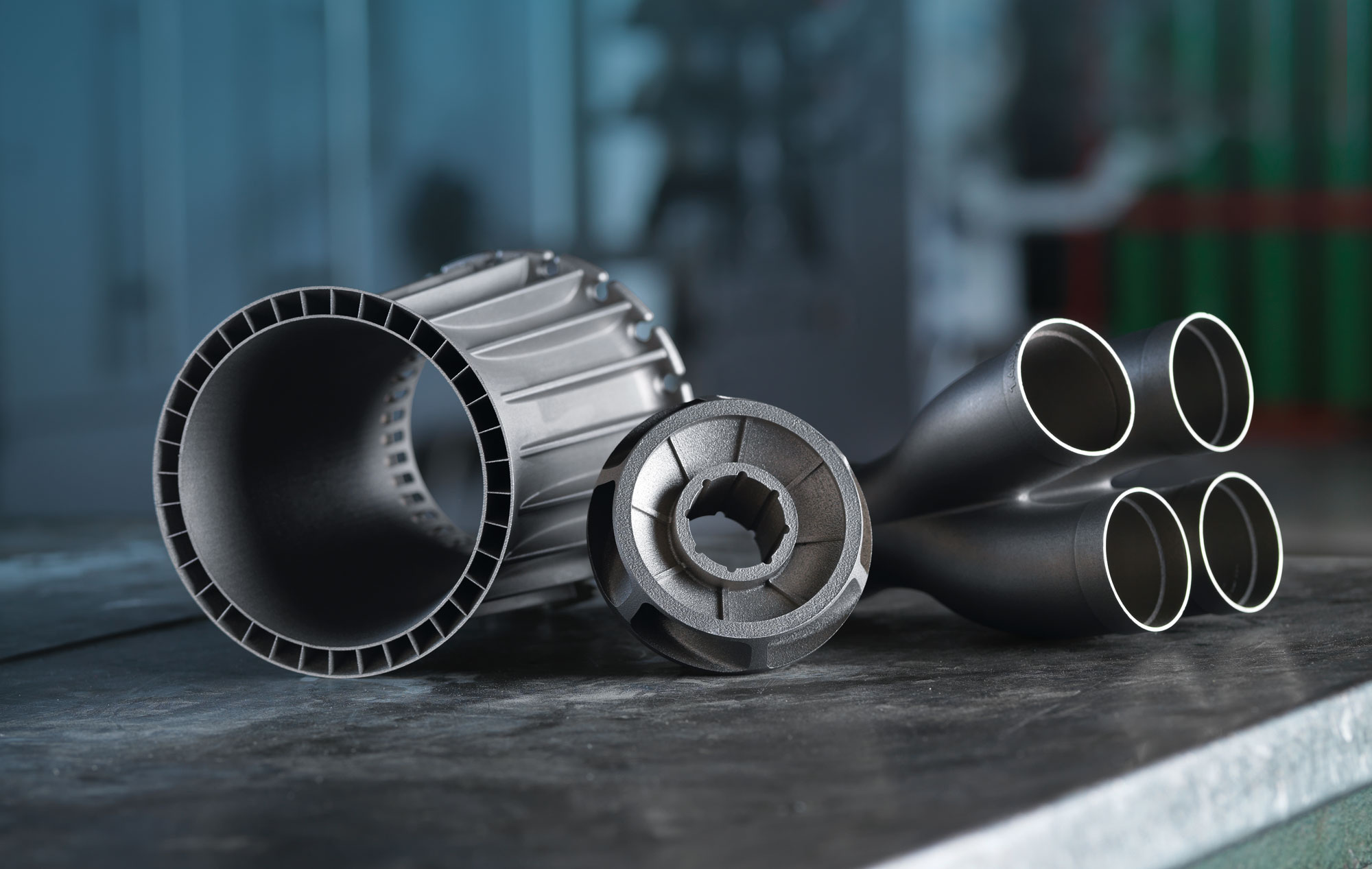
Technical Capabilities: Precision CNC Machining for Critical Metal Components
Wuxi Lead Precision Machinery specializes in high-integrity custom metal manufacturing for industries where failure is not an option. While additive manufacturing (3D printing) serves specific prototyping and low-volume applications, our core expertise lies in precision subtractive processes essential for end-use metal parts demanding tight tolerances, superior surface finishes, and certified material properties. We address a critical gap in the supply chain: transforming near-net-shape 3D printed metal components into fully functional, mission-critical parts through advanced CNC machining and rigorous quality validation. Our Michigan-focused clients leverage this capability to overcome limitations inherent in standalone metal 3D printing, particularly for aerospace, medical, and high-performance automotive applications requiring AS9100 or ISO 13485 compliance.
Our technical foundation is built upon a modern fleet of multi-axis CNC systems, including 5-axis machining centers from DMG MORI and MAZAK. These platforms enable single-setup machining of complex geometries—such as impellers, turbine blades, and surgical instrument housings—with exceptional accuracy and reduced lead times. The integration of high-speed spindles (up to 24,000 RPM) and dynamic toolpath strategies ensures optimal material removal rates while maintaining micron-level precision on challenging alloys like Inconel 718, Ti-6Al-4V, and 17-4 PH stainless steel. Crucially, our process excels in post-processing 3D printed metal parts, achieving critical feature tolerances, functional surface finishes, and geometric integrity unattainable through additive methods alone.
Quality is non-negotiable. Every component undergoes comprehensive inspection via our Zeiss CONTURA CMM systems, programmed to ISO 10360 standards. We validate all critical dimensions, geometrical tolerances (GD&T), and surface roughness parameters against client specifications. Full traceability is maintained through digital inspection reports, including point-cloud analysis for complex contours. This systematic approach ensures parts meet the exacting demands of safety-critical applications, where dimensional conformity directly impacts performance and regulatory approval.
The following table details our achievable machining tolerances under controlled production conditions. These specifications reflect our capability to refine both traditionally manufactured and additively produced metal components to meet stringent functional requirements.
| Feature Type | Standard Tolerance | Precision Tolerance | Process Notes |
|---|---|---|---|
| Linear Dimensions | ±0.025 mm | ±0.005 mm | Verified per ISO 2768-mK |
| Geometric (GD&T) | ±0.015 mm | ±0.003 mm | Includes position, flatness, runout |
| Hole Diameter | ±0.010 mm | ±0.002 mm | Reamed or precision bored |
| Surface Roughness (Ra) | 0.8 µm | 0.2 µm | Achieved via fine milling/grinding |
| Thread Accuracy | 6H/6g | 4H/4g | Certified thread plug/ring gauges |
This precision is consistently delivered through our closed-loop manufacturing system: experienced CNC programmers optimize toolpaths using Mastercam and Siemens NX, machinists with 10+ years’ experience execute runs with calibrated tooling, and CMM data feeds directly into SPC dashboards for real-time process control. For Michigan manufacturers seeking reliable production of metal components—whether starting from billet, forgings, or 3D printed blanks—Wuxi Lead provides the technical rigor, capacity, and quality infrastructure to ensure parts perform exactly as designed. We partner with clients to define feasible tolerances early, avoiding costly redesigns while guaranteeing manufacturability and compliance.
Material & Finish Options
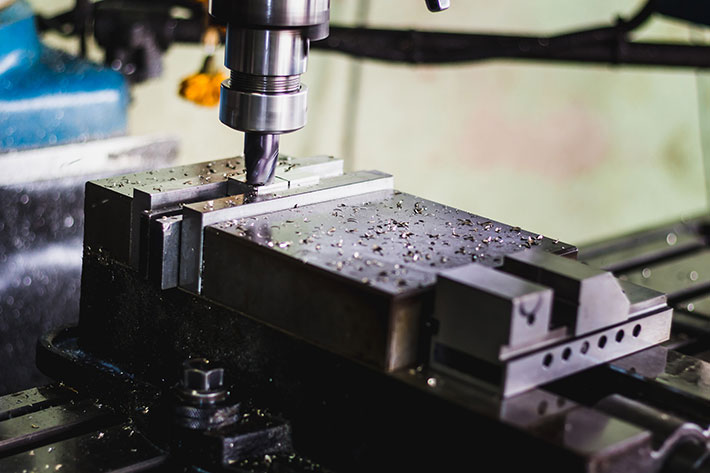
Material Selection for High-Performance 3D Printed Metal Components
Selecting the right material is critical when producing precision 3D printed metal parts, especially in demanding industrial, aerospace, and automotive applications. At Wuxi Lead Precision Machinery, we specialize in custom metal manufacturing using advanced additive technologies, enabling complex geometries with superior mechanical properties. Our expertise in processing aluminum, steel, and titanium ensures clients receive components tailored to performance, durability, and environmental requirements.
Aluminum alloys, particularly AlSi10Mg, are widely used in metal 3D printing due to their excellent strength-to-weight ratio, thermal conductivity, and corrosion resistance. This makes them ideal for lightweight structural components in aerospace and automotive sectors. Aluminum’s low density reduces part mass without compromising integrity, while its good fatigue resistance supports dynamic loading conditions. It is also highly weldable and recyclable, aligning with sustainable manufacturing goals.
Stainless steel, especially grades like 316L and 17-4 PH, offers exceptional strength, hardness, and resistance to high temperatures and corrosive environments. 316L is renowned for its marine and chemical processing applications due to superior chloride resistance, while 17-4 PH provides high yield strength through precipitation hardening, making it suitable for tooling, valves, and high-stress mechanical components. Steel’s versatility and proven performance in extreme conditions make it a cornerstone material in industrial 3D printing.
Titanium, primarily Ti6Al4V (Grade 5), stands at the pinnacle of performance materials. Its extraordinary strength-to-density ratio, biocompatibility, and resistance to oxidation at elevated temperatures make it indispensable in aerospace, medical implants, and high-performance automotive systems. Titanium maintains structural integrity under prolonged exposure to heat and corrosive agents, though it requires precise process control during printing due to its reactivity in molten form.
Post-processing finishes further enhance material performance. Anodizing, commonly applied to aluminum, increases surface hardness and corrosion resistance while allowing for color coding and improved adhesion for coatings. Type II and Type III (hardcoat) anodizing are available depending on functional needs, with hardcoat offering thicker, more wear-resistant layers suitable for high-friction environments.
Below is a comparative overview of key materials used in our metal 3D printing services:
| Material | Tensile Strength (MPa) | Yield Strength (MPa) | Density (g/cm³) | Key Properties | Typical Applications |
|---|---|---|---|---|---|
| AlSi10Mg | 400–450 | 250–300 | 2.67 | Lightweight, good thermal conductivity | Aerospace ducting, heat exchangers |
| 316L Stainless Steel | 550–650 | 300–400 | 8.0 | Corrosion-resistant, ductile | Marine components, chemical valves |
| 17-4 PH Steel | 900–1300 | 750–1100 | 7.8 | High strength, precipitation hardenable | Tooling, actuators, structural parts |
| Ti6Al4V | 900–1000 | 800–850 | 4.43 | High strength-to-weight, biocompatible | Aircraft components, medical implants |
Understanding material behavior and finish options ensures optimal part performance. Wuxi Lead Precision Machinery supports clients in selecting the best combination of alloy and surface treatment to meet exact engineering demands.
Manufacturing Process & QC
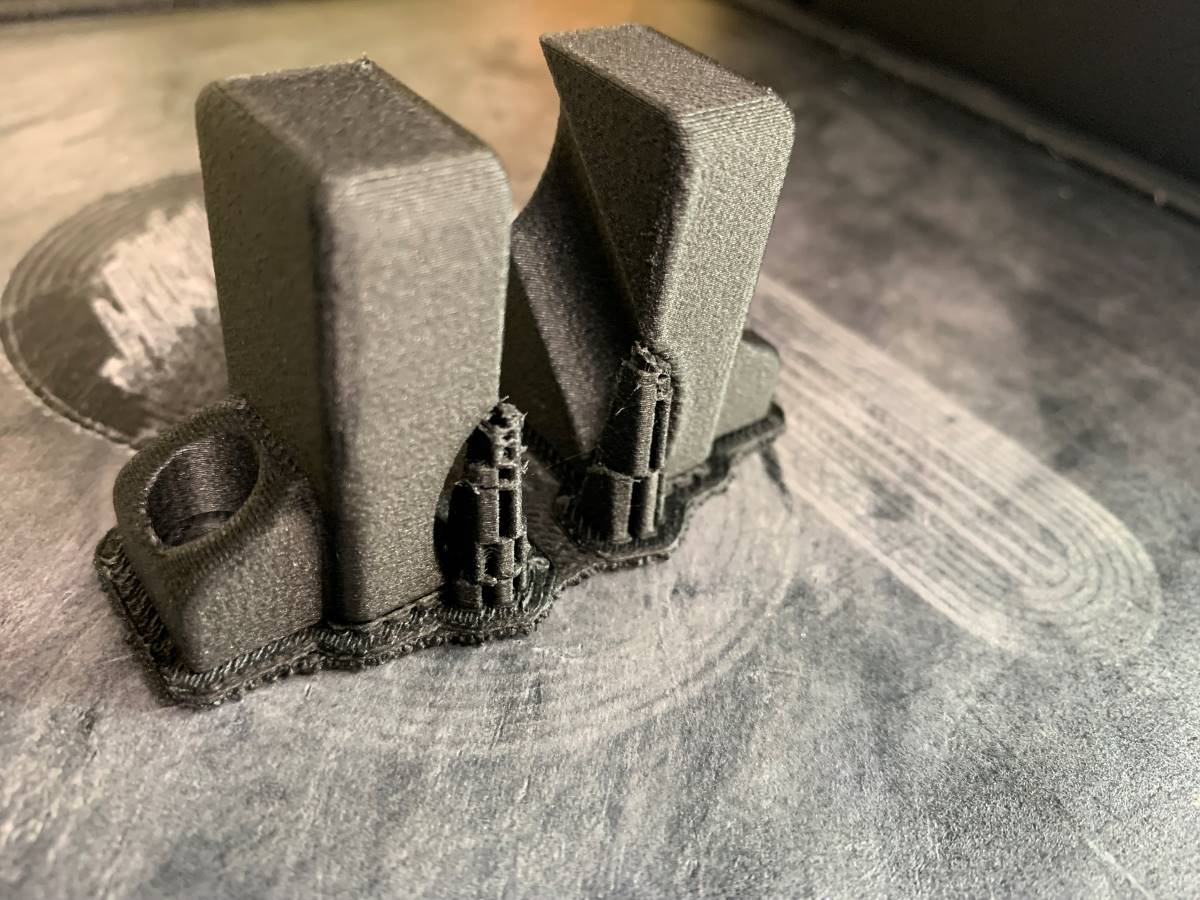
Integrated Production Process: From Design to Zero-Defect Metal Components
Our production process for custom metal additive manufacturing delivers exceptional precision and reliability, specifically engineered to meet the stringent demands of Michigan’s advanced manufacturing sector. We eliminate traditional barriers between design intent and final part performance through a tightly controlled, three-phase workflow ensuring zero defects from concept to volume production.
The process begins with rigorous design validation and optimization. Our engineering team collaborates directly with your designers using native CAD formats including SolidWorks and STEP files. We conduct comprehensive Design for Additive Manufacturing (DfAM) analysis, focusing on topology optimization, support structure minimization, thermal distortion prediction, and material-specific build orientation. This phase includes detailed manufacturability feedback and finite element analysis (FEA) validation to ensure the design meets functional requirements before any material is processed. All intellectual property is protected under strict NDAs aligned with US legal frameworks.
Prototyping serves as the critical verification step, transforming validated digital models into physical test articles. Utilizing our industrial-grade metal powder bed fusion systems, we produce functional prototypes in your specified alloy within 5-7 business days. These prototypes undergo full dimensional inspection against CAD data using coordinate measuring machines (CMM) and are subjected to preliminary mechanical and non-destructive testing (NDT) as required. This phase identifies potential performance gaps early, allowing for rapid design iteration without impacting the production timeline. Material selection is critical; common options include:
| Material | Tensile Strength (MPa) | Key Applications | Post-Processing Options |
|---|---|---|---|
| Ti-6Al-4V (Grade 5) | 900 – 1000 | Aerospace, Medical Implants | HIP, Stress Relief, Polishing |
| AlSi10Mg | 480 – 520 | Automotive Brackets, Drones | T6 Heat Treat, Anodizing |
| Inconel 718 | 1250 – 1350 | Turbine Components, Oil & Gas | Solution Anneal, Shot Peen |
| Stainless 17-4 PH | 1000 – 1200 | Hydraulic Parts, Tooling | H900/H1025, Passivation |
Mass production leverages the validated design and process parameters established in prior phases. Production builds occur on calibrated EOS M 400-4 or SLM 500 systems within ISO Class 8 cleanrooms. Every build undergoes in-situ melt pool monitoring and layer-wise thermal imaging. Post-build, components enter our integrated finishing cell for mandatory processes including powder removal, support separation, heat treatment per AMS standards, and precision machining for critical interfaces. Final inspection is non-negotiable: 100% of parts receive CMM verification against geometric dimensioning and tolerancing (GD&T) callouts, penetrant testing (PT) or computed tomography (CT) scanning for internal integrity, and material certification traceable to mill test reports. Statistical process control (SPC) data is provided with each shipment.
This closed-loop methodology, combining advanced DfAM, rapid physical validation, and production governed by aerospace-grade quality protocols, ensures consistent delivery of mission-critical metal components. We guarantee zero-defect shipment through embedded quality at every stage, not final inspection alone. Partner with Wuxi Lead to transform your Michigan-based designs into certified, high-performance metal parts with complete process transparency and US time-zone engineering support.
Why Choose Wuxi Lead Precision
Partner with Lead Precision for Advanced 3D Printing Services in Michigan – Precision, Performance, and Global Reach
When your Michigan-based manufacturing operation demands custom metal components with uncompromising precision, partnering with Wuxi Lead Precision Machinery delivers a strategic advantage. As a leading provider of high-end metal additive manufacturing and precision CNC services based in China, we specialize in meeting the rigorous demands of aerospace, medical, automotive, and industrial equipment sectors. Our advanced 3D printing services are engineered to support U.S. manufacturers seeking faster turnaround, superior material integrity, and cost-efficient production—without sacrificing quality.
Our state-of-the-art metal 3D printing capabilities leverage cutting-edge Direct Metal Laser Sintering (DMLS) and Selective Laser Melting (SLM) technologies. These processes enable complex geometries, internal channels, and lightweight lattice structures that traditional machining cannot achieve. Whether you require rapid prototyping, low-volume production runs, or full-scale serial manufacturing, our team ensures every component meets exact design specifications and industry compliance standards.
We understand that Michigan’s manufacturing ecosystem thrives on innovation and responsiveness. That’s why we’ve built a seamless international collaboration model—combining Chinese manufacturing efficiency with Western engineering standards. From initial CAD evaluation to final inspection and global logistics, our digital workflow ensures transparency, traceability, and on-time delivery. Our quality management system is ISO 9001 certified, and we maintain full material traceability with comprehensive inspection reports, including first-article inspections and 3D metrology scans.
Our engineering team works directly with your design and production staff to optimize part geometry for additive manufacturing, reduce material waste, and accelerate time to market. We support a wide range of high-performance alloys, ensuring compatibility with extreme environments and regulatory requirements.
Below are key specifications of our metal 3D printing services:
| Parameter | Specification |
|---|---|
| Technology | DMLS, SLM |
| Build Envelope | Up to 500 x 500 x 500 mm |
| Layer Thickness | 20–50 μm |
| Materials Available | Stainless Steel (316L, 17-4 PH), Inconel 718, Ti6Al4V, Aluminum AlSi10Mg, Tool Steel (Maraging, H13) |
| Surface Roughness (as-built) | Ra 10–15 μm |
| Post-Processing Options | Heat Treatment, HIP, CNC Machining, Polishing, Coating |
| Tolerance | ±0.1 mm for first 100 mm, ±0.05 mm thereafter |
| Lead Time | 7–15 days (varies by complexity and volume) |
We invite Michigan engineers, project managers, and procurement leaders to contact us today. Let Wuxi Lead Precision Machinery become your trusted offshore manufacturing partner—delivering precision, scalability, and technical expertise tailored to your advanced manufacturing needs.
For project inquiries, technical collaboration, or file reviews, email us at [email protected]. Let’s build the future of manufacturing—together.
⚙️ Precision Cost Estimator
Estimate relative manufacturing effort based on tolerance.