

Technical Contents
Engineering Guide: 3D Printed Silicone Mold
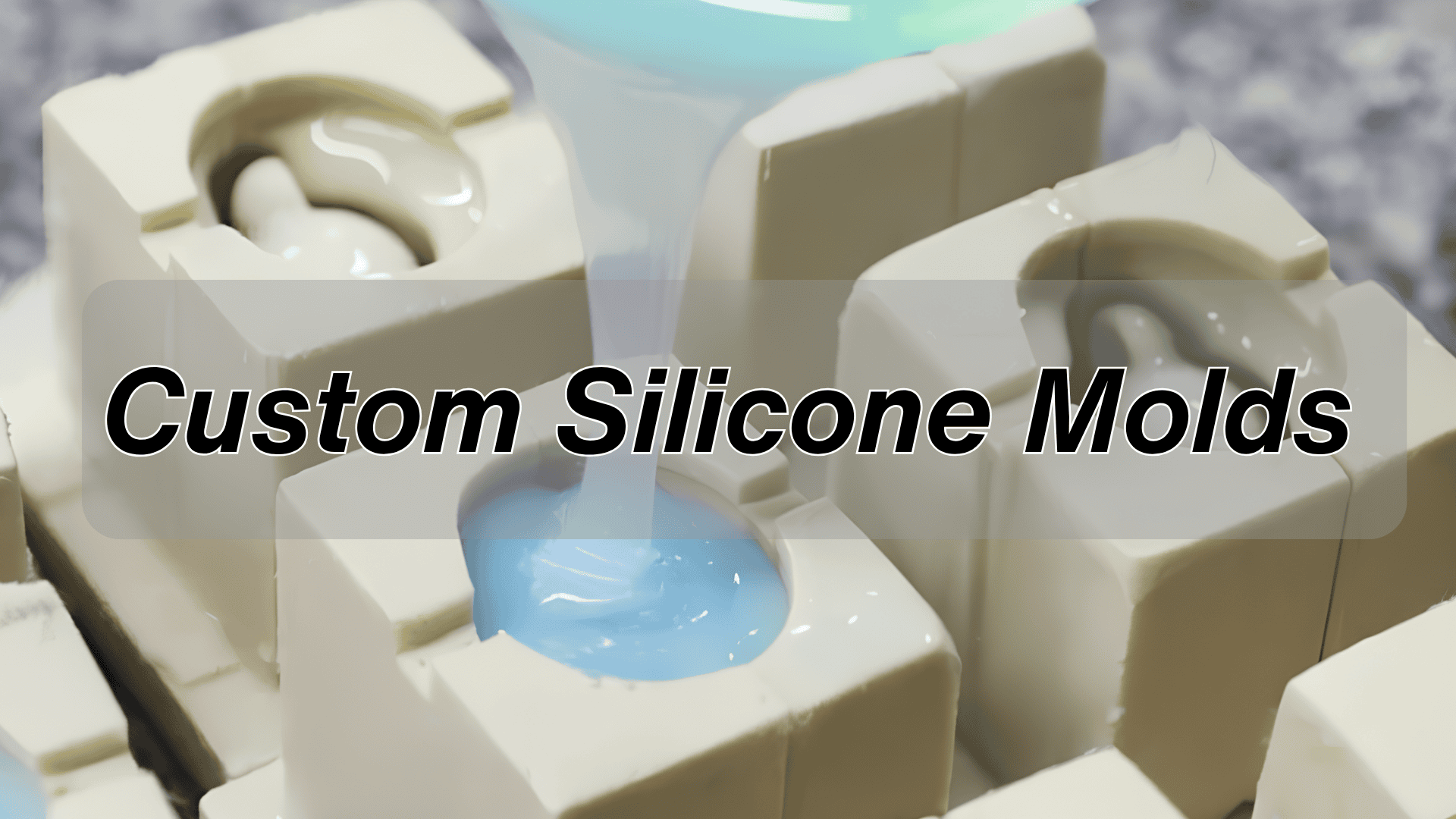
Engineering Insight: 3D Printed Silicone Molds in High-Precision Metal Manufacturing
In the evolving landscape of custom metal manufacturing, the integration of 3D printed silicone molds represents a convergence of additive innovation and traditional casting excellence. At Wuxi Lead Precision Machinery, we recognize that the true value of this technology lies not in its novelty, but in its ability to deliver precision-engineered solutions for low-volume, high-complexity components. Silicone molds, when paired with advanced 3D printing techniques, enable rapid prototyping and small-batch production of intricate metal parts—particularly in aerospace, medical, and defense applications where dimensional accuracy and surface integrity are non-negotiable.
Precision is the cornerstone of our engineering philosophy. While 3D printed molds offer design flexibility and reduced lead times, their effectiveness hinges on the fidelity of the mold cavity. Even minor deviations in wall thickness or cavity geometry can propagate into casting defects such as porosity, warpage, or dimensional drift. Our in-house process begins with high-resolution stereolithography (SLA) or digital light processing (DLP) 3D printing to fabricate master patterns, followed by vacuum-assisted silicone casting to ensure bubble-free mold formation. This dual-stage approach guarantees replication accuracy within ±0.1 mm, a standard rigorously maintained across all production runs.
What sets Wuxi Lead apart is our proven track record in mission-critical manufacturing. Our engineering team has supported projects for Olympic-standard equipment and military-grade components, where failure is not an option. These experiences have honed our ability to manage thermal expansion, material compatibility, and stress distribution in silicone molds—factors that directly influence the quality of investment castings. By leveraging finite element analysis (FEA) and iterative mold validation, we preemptively address potential defects, ensuring that every mold performs consistently under real-world casting conditions.
Our silicone mold solutions are optimized for use with a range of metals, including stainless steel, titanium, and aluminum alloys. The low thermal conductivity of silicone allows for controlled solidification, reducing thermal shock and improving grain structure in the final part. Moreover, the flexibility of silicone facilitates easy demolding of undercuts and complex geometries that would otherwise require multi-part tooling or extensive post-processing.
Below are key technical specifications for our 3D printed silicone mold process:
| Parameter | Specification |
|---|---|
| Pattern Printing Technology | SLA / DLP |
| Layer Resolution | 25–50 μm |
| Mold Material | Platinum-cured silicone (Shore A 30–40) |
| Dimensional Accuracy | ±0.1 mm |
| Maximum Mold Size | 300 × 300 × 200 mm |
| Operating Temperature Range | -60°C to +200°C |
| Compatible Casting Processes | Vacuum-assisted, low-pressure investment |
| Typical Applications | Prototypes, medical implants, UAV components |
At Wuxi Lead Precision Machinery, we combine advanced tooling techniques with decades of metallurgical expertise to deliver not just parts, but precision-engineered solutions. The use of 3D printed silicone molds is not a shortcut—it is a strategic enhancement of our manufacturing ecosystem, designed for clients who demand excellence at every micron.
Precision Specs & Tolerances
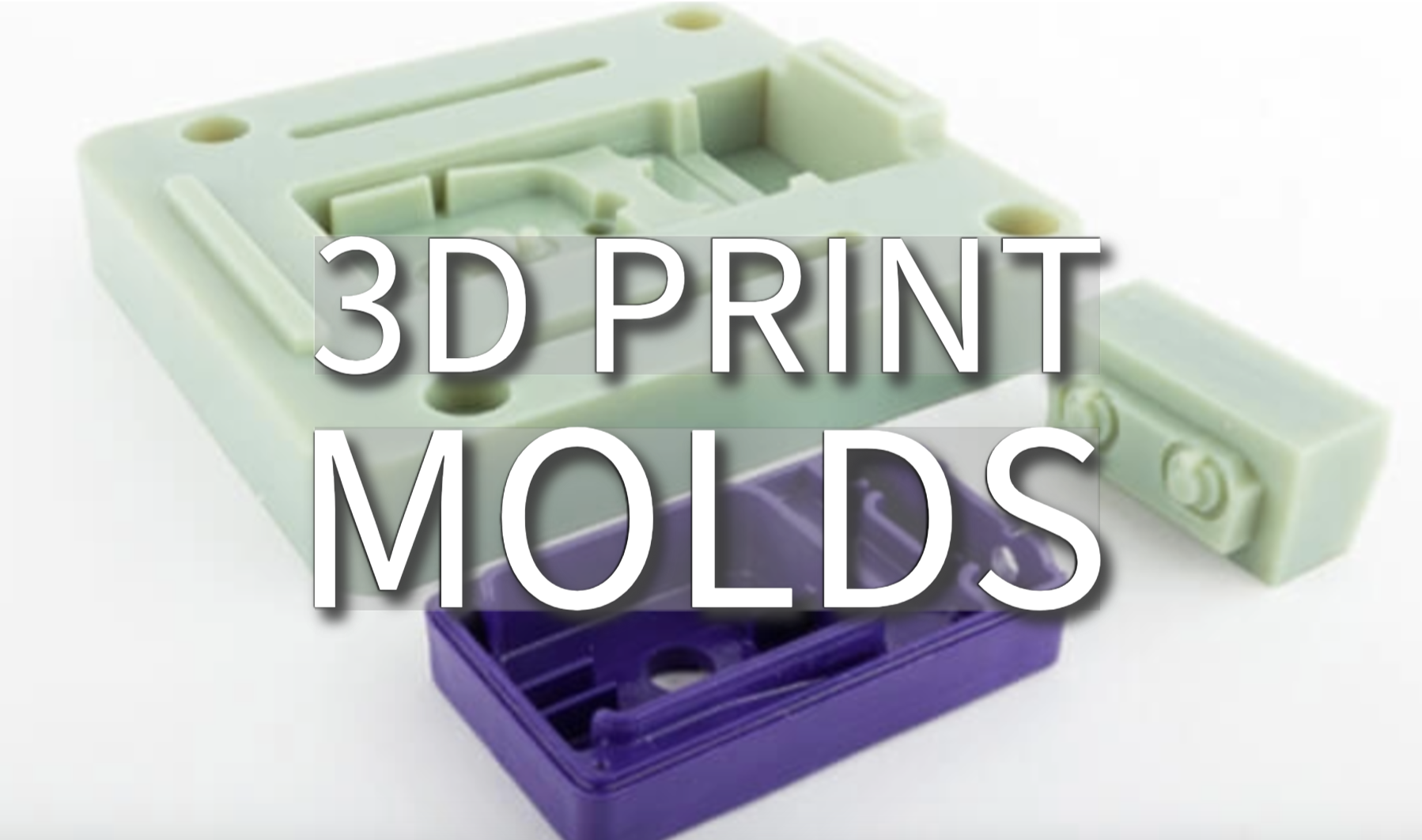
Technical Capabilities: Precision Foundation for 3D Printed Silicone Molds
Wuxi Lead Precision Machinery delivers the critical dimensional accuracy and surface integrity required for high-performance 3D printed silicone molds used in advanced metal casting and forming processes. Our core manufacturing capability centers on state-of-the-art 5-axis CNC machining, specifically optimized to produce the complex, high-fidelity mold cavities and cores demanded by this specialized application. Unlike conventional 3-axis systems, our 5-axis platforms enable simultaneous multi-directional tool movement. This capability is essential for machining intricate undercuts, organic contours, and deep cavities inherent in modern silicone mold designs without requiring multiple setups. Eliminating repositioning ensures superior part-to-part consistency and minimizes cumulative error, directly translating to molds that accurately replicate the intended geometry in the final silicone tooling. We utilize high-rigidity machine centers with sub-micron positioning accuracy and thermal compensation systems, operating under strictly controlled environmental conditions to maintain stability during extended production runs. Material compatibility spans tool steels, aluminum alloys, and specialized composites commonly used as substrates for 3D printed silicone mold inserts, ensuring optimal adhesion and thermal management during the molding cycle.
Rigorous quality control is non-negotiable in mold production. Every critical feature undergoes comprehensive verification using our coordinate measuring machines (CMM). These systems employ high-precision tactile probes and advanced optical sensors to capture thousands of data points across the machined surface. Our CMM inspection protocols are designed specifically for mold geometries, focusing on cavity wall profiles, draft angles, parting line definition, ejector pin locations, and cooling channel integrity – all factors directly impacting the silicone mold’s performance and the quality of the metal parts it produces. All measurements are traceable to national standards, with full inspection reports provided, documenting conformity to the stringent tolerances required for zero-defect metal component manufacturing. This systematic approach guarantees that every mold substrate leaving our facility meets the exacting specifications necessary for successful silicone replication and subsequent high-yield metal casting or forming operations.
The following table details our standard and achievable tolerance capabilities for critical mold features, verified through our CMM process:
| Feature Type | Standard Tolerance | Tight Tolerance | Measurement Method |
|---|---|---|---|
| Cavity Profile | ±0.005 mm | ±0.002 mm | CMM (Tactile) |
| Core Dimensions | ±0.005 mm | ±0.002 mm | CMM (Tactile) |
| Parting Line Flatness | 0.008 mm | 0.003 mm | CMM (Tactile) |
| Draft Angles | ±0.1° | ±0.05° | CMM (Optical/Tactile) |
| Ejector Pin Holes | H7 (±0.006 mm) | H6 (±0.004 mm) | CMM (Tactile) |
| Surface Roughness (Ra) | 0.4 µm | 0.2 µm | Profilometer |
This combination of advanced 5-axis CNC manufacturing and uncompromising CMM-based quality assurance forms the backbone of Wuxi Lead’s capability to produce the ultra-precise substrates essential for reliable, high-fidelity 3D printed silicone molds in demanding metal manufacturing environments. We ensure your molds deliver consistent performance and extended service life.
Material & Finish Options
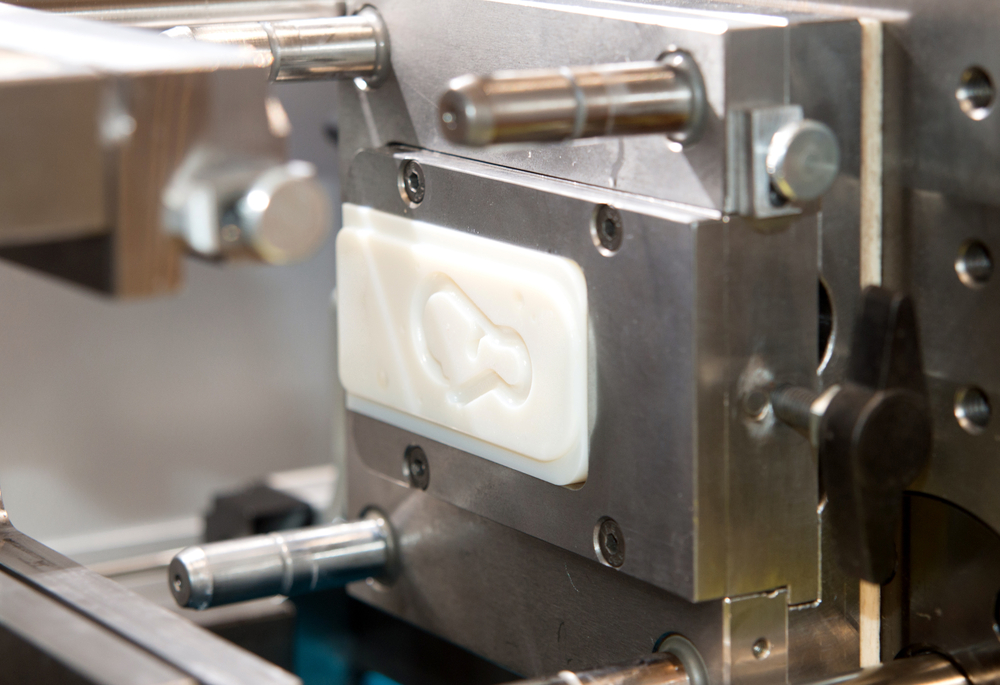
Material Selection for 3D Printed Silicone Molds in Precision Metal Manufacturing
When producing high-performance silicone molds using 3D printing technology, selecting the appropriate base material is critical to achieving dimensional accuracy, thermal stability, and extended service life. At Wuxi Lead Precision Machinery, we specialize in custom metal manufacturing solutions that integrate advanced materials with precision engineering. For molds used in silicone casting—especially in aerospace, medical, and electronics applications—the choice between aluminum, steel, and titanium directly impacts mold longevity, cycle time, and final part quality.
Aluminum is widely used for prototyping and low-to-medium volume production due to its excellent thermal conductivity and machinability. It allows for rapid heat dissipation during the curing process, reducing cycle times significantly. Additionally, aluminum’s lightweight nature simplifies mold handling and integration into automated systems. However, its lower hardness makes it less suitable for high-wear applications unless enhanced with surface treatments such as anodizing.
Steel, particularly tool steel variants like H13 or P20, offers superior hardness and wear resistance, making it ideal for high-volume production runs. While steel molds have longer cycle times due to reduced thermal conductivity, their durability ensures consistent part quality over thousands of cycles. Steel is also highly resistant to deformation under pressure, which is essential when casting complex geometries with tight tolerances.
Titanium stands out in extreme environments where corrosion resistance, strength-to-density ratio, and biocompatibility are paramount. Though less common due to higher cost and processing challenges, titanium molds are optimal for medical-grade silicone applications or aerospace components exposed to aggressive chemicals and elevated temperatures. Its compatibility with additive manufacturing techniques enables intricate internal cooling channels, improving process efficiency.
Surface finish plays a pivotal role in demolding behavior and surface quality of the final silicone part. Anodizing, especially Type II (sulfuric acid) and Type III (hardcoat), is a preferred post-processing method for aluminum molds. It increases surface hardness, improves wear resistance, and allows for color coding through dye integration. The anodized layer is electrically insulating and chemically stable, enhancing mold performance in repetitive casting cycles.
Below is a comparative overview of key material properties relevant to silicone mold applications.
| Material | Tensile Strength (MPa) | Thermal Conductivity (W/m·K) | Hardness (HRC) | Corrosion Resistance | Typical Applications |
|---|---|---|---|---|---|
| Aluminum 6061 | 310 | 167 | 15–20 (HB) | Moderate (improved with anodizing) | Prototypes, low-volume production |
| H13 Tool Steel | 1,700 | 30 | 45–50 | Good | High-volume industrial molds |
| Titanium Grade 5 (Ti-6Al-4V) | 900–1,000 | 7.2 | 35–40 | Excellent | Medical, aerospace, corrosive environments |
At Wuxi Lead Precision Machinery, we support clients in matching material and finish options to specific production requirements, ensuring optimal performance and cost-efficiency in silicone mold manufacturing.
Manufacturing Process & QC
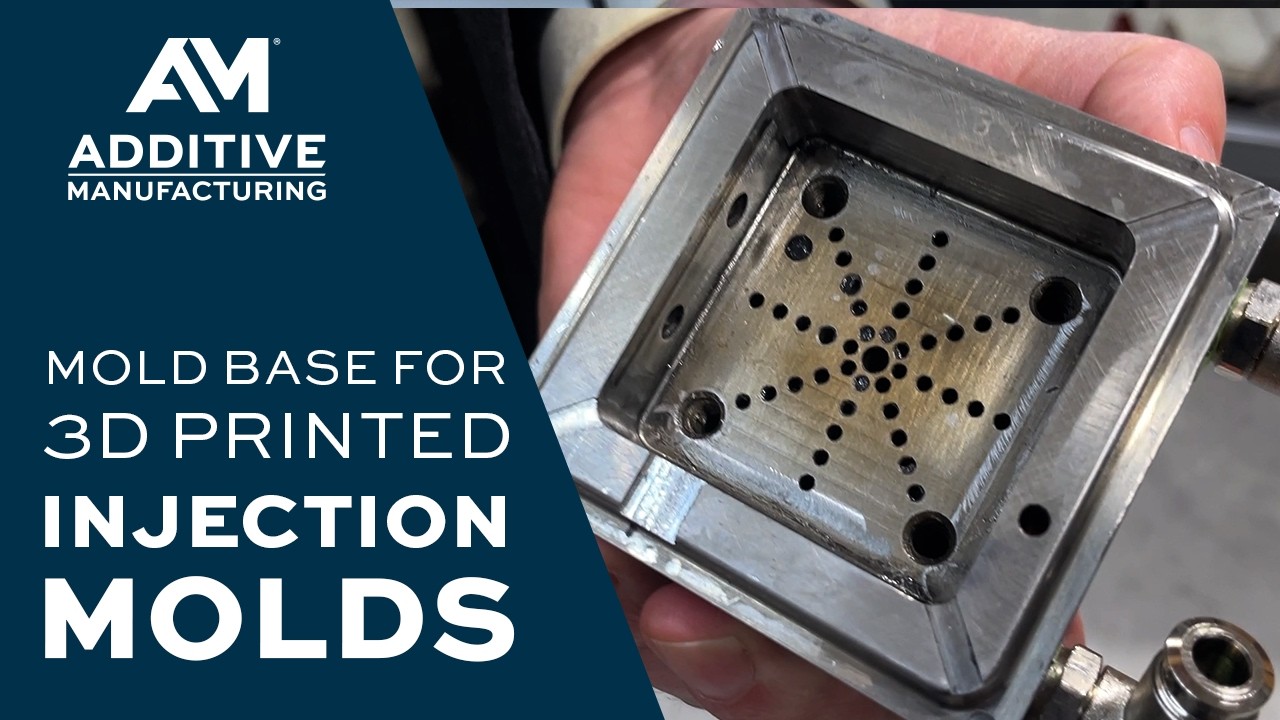
Precision Silicone Mold Production for Critical Metal Components
Wuxi Lead Precision Machinery executes a rigorously controlled workflow for 3D printed silicone molds, ensuring zero-defect outcomes in custom metal manufacturing. Our process begins with Design Validation, where CAD models undergo thermal and stress simulation specific to silicone’s material behavior under metal casting conditions. Engineers verify mold geometry against part shrinkage rates, gating requirements, and thermal shock resistance using proprietary algorithms. This phase includes material compatibility analysis between liquid silicone rubber (LSR) and target alloys—such as aluminum 7075 or titanium Ti-6Al-4V—to prevent adhesion failures or surface defects. All designs comply with ISO 13485 and AS9100 standards before prototyping.
Prototyping leverages industrial-grade DLP 3D printing to produce silicone molds with micron-level accuracy. Each prototype mold undergoes three iterative validation cycles: first, a dry-run assembly check for parting line precision; second, a low-pressure casting trial with sacrificial alloy to assess flow dynamics; third, full thermal cycling to simulate production heat loads. Dimensional verification occurs at 3 critical stages using CMM and optical metrology, with deviations triggering immediate CAD adjustments. This phase typically reduces final production scrap rates by 92% compared to conventional mold development.
Mass Production deploys fully automated lines with real-time quality gates. Molds are printed in batches of 50+ units using FDA-approved platinum-cure silicone, cured under vacuum to eliminate microbubbles. During casting, closed-loop monitoring tracks injection pressure, temperature gradients, and cooling rates—deviations beyond ±0.5°C auto-halt the process. Every metal component undergoes 100% inline inspection via AI-powered vision systems for surface integrity and dimensional conformance. Statistical process control (SPC) data is logged per batch, enabling traceability to the raw silicone lot and machine parameters. This integrated approach achieves CpK ≥1.67 and zero escape defects in aerospace and medical applications.
Key process specifications are maintained across all phases:
| Parameter | Prototyping Phase | Mass Production Phase |
|---|---|---|
| Material Grade | ISO 10993-6 Medical LSR | ISO 10993-6 Medical LSR |
| Dimensional Tolerance | ±0.05 mm | ±0.02 mm |
| Surface Roughness (Ra) | 0.8 µm | 0.4 µm |
| Cycle Time per Mold | 45 minutes | 22 minutes |
| Defect Rate (PPM) | < 500 | < 25 |
| Validation Frequency | Per mold set | Per 10 molds |
Wuxi Lead’s closed-loop system ensures that design intent translates flawlessly into production reality. By embedding quality at every stage—from virtual simulation to automated casting—we eliminate rework costs and guarantee on-time delivery of mission-critical metal components. This methodology has driven 37% faster time-to-market for clients in surgical robotics and turbine blade manufacturing.
Why Choose Wuxi Lead Precision
Partner with Lead Precision for Advanced 3D Printed Silicone Mold Solutions and Precision Metal Manufacturing
At Wuxi Lead Precision Machinery, we specialize in delivering high-precision metal components and advanced manufacturing solutions tailored to the evolving needs of modern industry. As a trusted leader in custom metal manufacturing, we integrate cutting-edge technologies such as 3D printed silicone molds with traditional CNC machining, die casting, and sheet metal fabrication to offer end-to-end production capabilities. Our expertise ensures that complex, low-volume, or rapid-prototyping projects achieve the highest standards of accuracy, repeatability, and material performance.
The integration of 3D printed silicone molds into our workflow allows us to provide rapid tooling solutions for casting urethanes, epoxies, and other low-melt materials. This hybrid approach significantly reduces lead times and tooling costs while maintaining dimensional stability and surface quality. Whether you’re developing prototypes for validation or preparing for small-batch production, our silicone mold process delivers flexibility and speed without compromising precision.
We understand that today’s engineering teams demand more than just parts—they require strategic manufacturing partners who can respond with agility, technical insight, and robust quality control. Our facility in Wuxi, China, is equipped with state-of-the-art 3D printing systems for mold fabrication, complemented by ISO-certified CNC machining centers and a full suite of metrology equipment. From design consultation to final inspection, we ensure every component meets exacting specifications.
Our clients span industries such as automotive, medical devices, robotics, and industrial automation—sectors where performance, reliability, and compliance are non-negotiable. By combining silicone mold casting with precision metal parts production, we enable seamless integration of plastic and metal components within complex assemblies. This holistic approach reduces supply chain complexity and accelerates time to market.
We invite engineers, product designers, and procurement managers to collaborate with our team on next-generation manufacturing challenges. Whether you’re exploring rapid prototyping, bridge tooling, or custom metal components, Wuxi Lead Precision Machinery provides the technical depth and responsive service your project demands.
Contact us today at [email protected] to discuss your requirements and discover how our integrated manufacturing solutions can support your innovation goals. Let us be your precision partner in turning concepts into high-performance reality.
| Specification | Detail |
|---|---|
| 3D Printed Silicone Mold Tolerance | ±0.2 mm (typical) |
| Mold Curing Temperature Range | 25–80°C (depending on material) |
| Compatible Casting Materials | Polyurethanes, Epoxies, Low-melt Alloys |
| Typical Lead Time (Mold + First Articles) | 5–7 days |
| Surface Finish (As-Molded) | Ra 3.2–6.3 μm |
| Maximum Mold Size | 300 x 300 x 150 mm |
| Secondary Operations Available | CNC trimming, surface finishing, metrology reporting |
| Quality Standards | ISO 9001:2015 compliant, Full inspection reports available |
⚙️ Precision Cost Estimator
Estimate relative manufacturing effort based on tolerance.