

Technical Contents
Engineering Guide: 3D Print As A Service

Engineering Insight: 3D Print as a Service in High-Precision Metal Manufacturing
In the evolving landscape of advanced manufacturing, 3D printing as a service (3DPaaS) has emerged as a transformative solution for industries demanding rapid prototyping, low-volume production, and complex geometries unachievable through traditional methods. At Wuxi Lead Precision Machinery, we approach metal additive manufacturing not as a standalone novelty, but as an integrated engineering discipline where precision, repeatability, and material integrity are non-negotiable. Our experience delivering mission-critical components for Olympic-grade equipment and military applications has instilled a culture of uncompromising accuracy—standards that define our 3D print services today.
Precision in metal 3D printing extends beyond dimensional tolerances. It encompasses thermal management during build cycles, powder bed consistency, laser calibration, and post-processing control. Even micron-level deviations can compromise performance in aerospace, defense, or high-performance sports engineering. Our in-house developed monitoring systems and closed-loop feedback mechanisms ensure layer-by-layer consistency, while our engineers employ finite element analysis (FEA) to simulate stress points and optimize support structures before a single laser fires.
At Lead Precision, we specialize in selective laser melting (SLM) for high-performance alloys such as titanium Ti6Al4V, Inconel 718, and aluminum AlSi10Mg. These materials are selected not only for their mechanical properties but also for their suitability in extreme environments—conditions we are intimately familiar with through our work on precision components for national defense systems and elite athletic equipment used in Olympic competition. This heritage informs our approach: every build is treated as mission-critical.
Our facility in Wuxi operates under strict ISO 9001 and AS9100-certified quality protocols, with full traceability from raw material batch to final inspection. We utilize coordinate measuring machines (CMM), metallographic analysis, and computed tomography (CT) scanning to validate internal and external geometries, ensuring compliance with aerospace and medical-grade standards.
The integration of 3D print as a service into a precision manufacturing workflow demands more than advanced hardware—it requires engineering judgment. Our team collaborates closely with clients during the design-for-additive-manufacturing (DfAM) phase, advising on topology optimization, orientation, and post-processing requirements to achieve functional performance and cost efficiency.
| Parameter | Specification |
|---|---|
| Build Volume (max) | 250 x 250 x 325 mm |
| Layer Thickness | 20 – 50 µm |
| Positional Accuracy | ±0.05 mm |
| Surface Roughness (as-built) | Ra 8–12 µm (typical), down to Ra 2 µm post-processed |
| Supported Materials | Ti6Al4V, Inconel 718, AlSi10Mg, 316L, Maraging Steel |
| Post-Processing Options | Stress relief, HIP, CNC machining, polishing, coating |
| Quality Standards | ISO 9001, AS9100, full inspection reporting |
3D printing as a service is not a one-size-fits-all solution. At Wuxi Lead Precision Machinery, we deliver engineered precision—where every micron matters, and every part meets the demands of performance, reliability, and real-world application.
Precision Specs & Tolerances
Technical Capabilities: Precision Integration for Additive Manufacturing
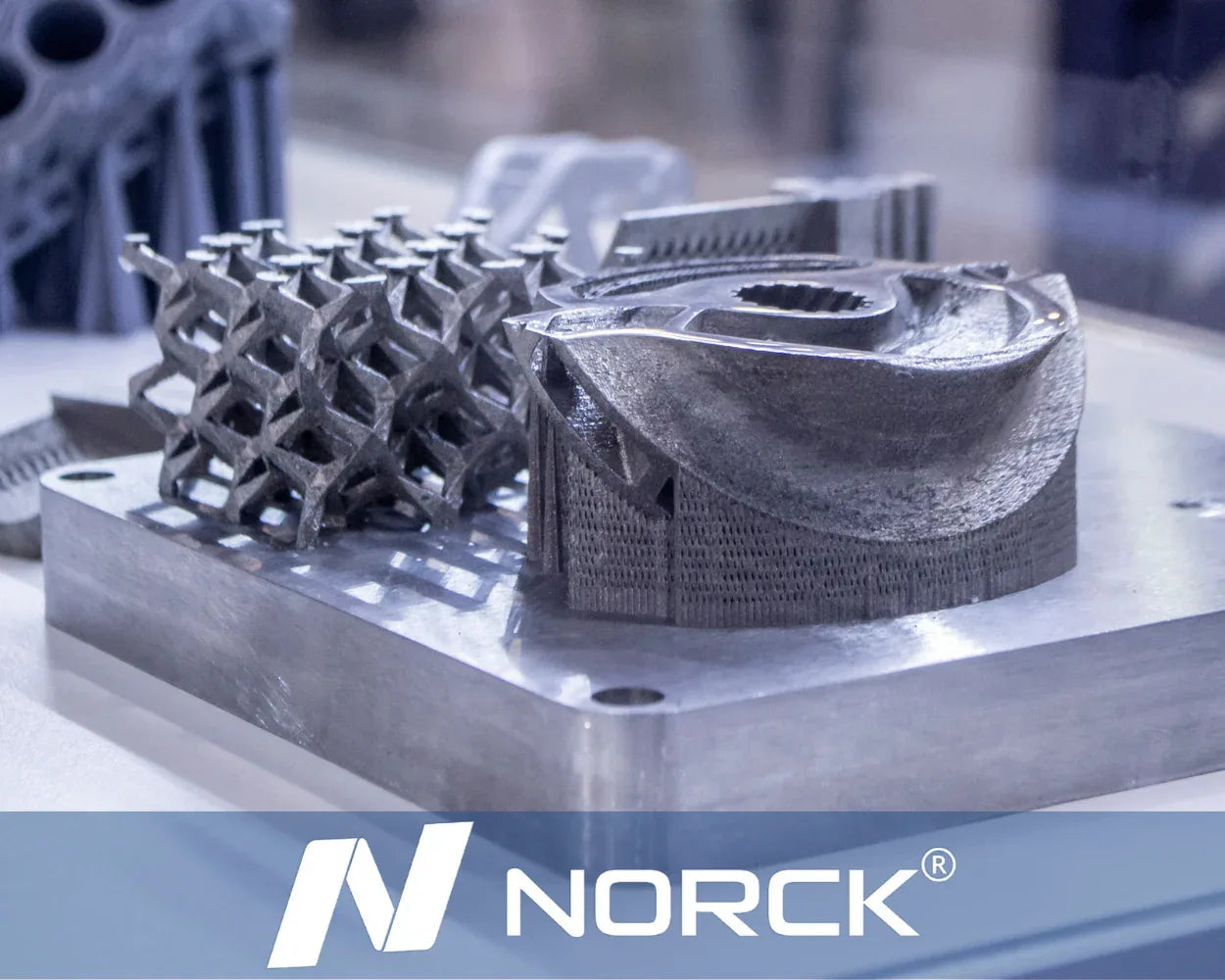
At Wuxi Lead Precision Machinery, our metal 3D printing service is engineered for mission-critical applications where dimensional integrity and surface quality are non-negotiable. While additive manufacturing enables complex geometries unachievable through traditional methods, we recognize that post-processing is essential to meet aerospace, medical, and energy sector standards. Our integrated 5-axis CNC machining capabilities bridge this gap, transforming as-printed components into fully certified end-use parts.
Our DMG MORI CTX beta 1250 and Hermle C400 U milling centers operate with sub-micron repeatability across 1,250 x 800 x 600 mm work envelopes. These systems feature high-speed spindles (up to 24,000 RPM) and integrated probing for in-process verification, ensuring precise feature alignment on intricate 3D-printed lattices, internal channels, and organic forms. We specialize in machining reactive alloys like Ti-6Al-4V and Inconel 718 directly from the build plate, minimizing thermal distortion risks during transfer. This seamless transition from additive to subtractive processing eliminates secondary fixturing errors and maintains critical datum structures established during printing.
Quality validation is executed through a closed-loop inspection protocol. All critical features undergo first-article inspection via our Zeiss CONTURA G2 coordinate measuring machine (CMM), operating in a climate-controlled ISO 17025-certified lab. The CMM’s 0.5 µm volumetric accuracy verifies geometric dimensioning and tolerancing (GD&T) compliance against ASME Y14.5 standards, with full traceability to NIST-certified artifacts. Statistical process control (SPC) data from each inspection is embedded in the digital thread, providing clients with real-time quality dashboards and PPAP documentation for regulatory submissions.
The following table defines achievable tolerances for post-processed 3D-printed components, validated across 10,000+ production runs:
| Feature | Capability | Material Application |
|---|---|---|
| Linear Dimensions | ±0.005 mm | Ti-6Al-4V, Inconel 718 |
| Angular Tolerances | ±0.001° | Stainless Steel 17-4PH |
| Surface Roughness (Ra) | 0.4 µm | Cobalt-Chrome alloys |
| Positional Accuracy | 0.008 mm @ 300 mm | Aluminum AlSi10Mg |
| Profile of a Surface | 0.010 mm | All printed metal substrates |
This precision ecosystem ensures printed components exceed ASTM F2924 and ISO/ASTM 52900 requirements for final part certification. Our engineers collaborate with clients during design-for-additive-manufacturing (DfAM) reviews to identify critical surfaces requiring CNC refinement, optimizing build orientation and support structures to minimize post-processing time. By unifying metal additive fabrication with micron-level subtractive finishing under one quality management system (ISO 9001:2015 and AS9100 Rev D certified), we deliver parts that perform reliably in 15,000+ PSI hydraulic systems, implantable medical devices, and turbine engine assemblies. The result is not merely a printed component, but a fully validated asset ready for integration into your highest-stakes applications.
Material & Finish Options

Material selection is a critical factor in determining the performance, durability, and cost-efficiency of components produced through 3D printing as a service. At Wuxi Lead Precision Machinery, we specialize in custom metal manufacturing using advanced additive techniques, enabling precise fabrication of complex geometries with high-performance materials. Understanding the properties and applications of key metals—Aluminum, Steel, and Titanium—ensures optimal outcomes for industrial, aerospace, automotive, and medical applications.
Aluminum alloys, particularly AlSi10Mg, are widely used in metal 3D printing due to their excellent strength-to-weight ratio, thermal conductivity, and corrosion resistance. This makes them ideal for lightweight structural components in the aerospace and automotive industries. Aluminum parts are often selected when weight reduction is a priority without compromising mechanical integrity. Additionally, their good machinability and weldability allow for secondary processing when required.
Stainless steel, especially grades such as 316L and 17-4 PH, offers superior mechanical strength, wear resistance, and excellent performance in harsh environments. These properties make steel a preferred choice for industrial tooling, marine components, and parts exposed to high stress or corrosive conditions. 316L stainless steel provides exceptional resistance to chloride-induced corrosion, making it suitable for chemical processing and offshore applications. In contrast, 17-4 PH stainless steel can be precipitation hardened to achieve very high tensile strength, ideal for high-performance mechanical parts.
Titanium, specifically Ti6Al4V (Grade 5), is renowned for its outstanding strength-to-density ratio, biocompatibility, and resistance to extreme temperatures and corrosion. These characteristics make titanium indispensable in aerospace, defense, and medical implant manufacturing. Its ability to maintain structural integrity under high thermal loads and aggressive environments ensures long-term reliability in mission-critical applications. While titanium is more expensive than aluminum or steel, its performance benefits often justify the cost in high-value sectors.
Surface finishing plays a vital role in enhancing both the functional and aesthetic qualities of 3D printed metal parts. Anodizing is a commonly requested post-processing technique, particularly for aluminum components. This electrochemical process thickens the natural oxide layer, significantly improving corrosion and wear resistance. It also allows for color coding through dye integration, supporting identification and branding needs. While anodizing is primarily used on aluminum, other surface treatments such as polishing, sandblasting, and coating are available for steel and titanium based on application requirements.
The following table summarizes key mechanical and physical properties of the primary materials used in our metal 3D printing services:
| Material | Density (g/cm³) | Tensile Strength (MPa) | Yield Strength (MPa) | Elongation (%) | Common Applications |
|---|---|---|---|---|---|
| AlSi10Mg | 2.67 | 480 | 370 | 8 | Aerospace, Automotive, Heat Exchangers |
| 316L Stainless Steel | 8.0 | 590 | 380 | 45 | Marine, Chemical Processing, Medical |
| 17-4 PH Steel | 7.8 | 1000 | 850 | 12 | Tooling, Defense, High-Stress Components |
| Ti6Al4V | 4.43 | 950 | 880 | 10 | Aerospace, Medical Implants, Racing |
Selecting the right material and finish requires a thorough understanding of operational conditions and performance expectations. Wuxi Lead Precision Machinery supports clients in making informed decisions by combining material expertise with precision manufacturing capabilities.
Manufacturing Process & QC
Precision Metal Additive Manufacturing Process: From Concept to Zero-Defect Production
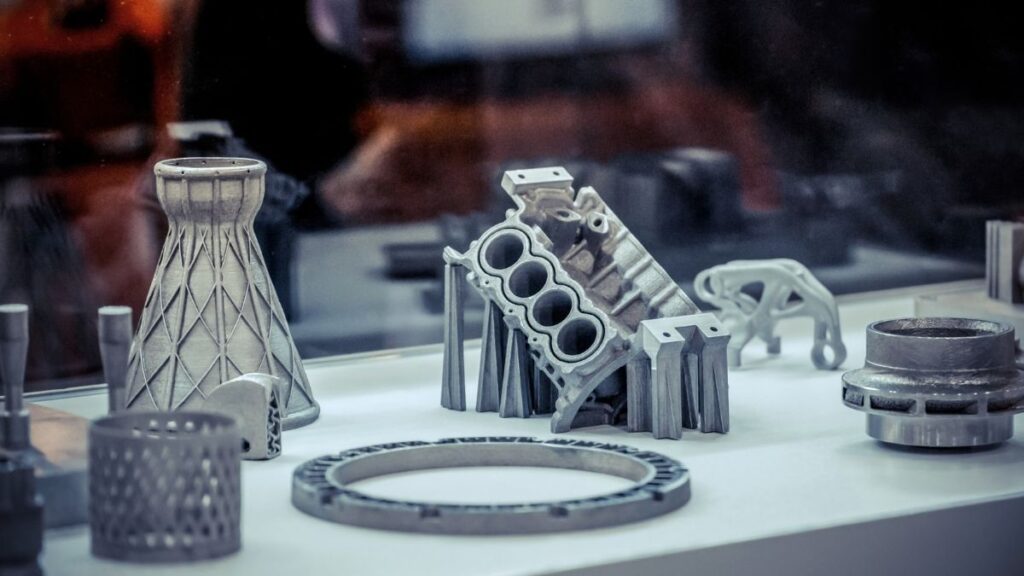
At Wuxi Lead Precision Machinery, our 3D Print as a Service (3DPaaS) workflow integrates industrial-grade metal additive manufacturing with decades of precision engineering discipline. We enforce a closed-loop production sequence—Design, Prototyping, Mass Production—engineered to eliminate defects before parts reach your assembly line. This methodology ensures compliance with aerospace, medical, and energy sector standards where failure is non-negotiable.
The Design phase begins with rigorous Design for Additive Manufacturing (DfAM) analysis. Our engineers collaborate with your team to optimize topology, support structures, and thermal management using ANSYS and Materialise software. Critical factors include residual stress prediction, build orientation, and material grain structure control. Unlike generic service bureaus, we simulate the entire build process to preempt warpage or porosity, ensuring the digital model is production-ready. All designs undergo metallurgical validation against ISO/ASTM F3301 standards for your specified alloy.
Prototyping transitions directly into our validation stage, not merely a visual mockup. Parts are built on the same EOS M 400-4 or SLM 500 systems used for final production, using certified aerospace-grade powders (Inconel 718, Ti-6Al-4V, Maraging Steel). Each prototype undergoes non-destructive testing (NDT) via micro-CT scanning and mechanical validation to ASTM E8 standards. We deliver a full material test report (MTR) and dimensional inspection report (DIR) against your GD&T specifications. This phase confirms functional performance and identifies microstructural anomalies invisible to surface inspection.
Mass Production executes under our Zero Defects protocol. Builds occur in ISO Class 7 cleanrooms with real-time melt pool monitoring and oxygen-level control (<100 ppm). Every layer is verified via in-situ thermal imaging, and post-processing—including HIP, precision CNC machining, and surface finishing—occurs within our integrated facility to prevent handling-induced errors. Final parts undergo 100% CMM inspection against your CAD model and receive traceable certification per AS9100 Rev D. Statistical process control (SPC) data is shared transparently, ensuring batch-to-batch consistency.
Production Specifications Comparison
| Parameter | Prototyping Phase | Mass Production Phase |
|---|---|---|
| Material | Certified AMS 7000 | Lot-traceable AMS 7000 |
| Tolerance | ±0.1 mm | ±0.05 mm |
| NDT Coverage | 100% per part | 100% per layer |
| Lead Time | 7–10 business days | 15–20 business days |
| Certification | MTR + DIR | Full PPAP + SPC data |
| Build System | EOS M 400-4 | EOS M 400-4 (dedicated) |
This seamless transition from validated prototype to certified production eliminates the quality gaps common in fragmented supply chains. By controlling every variable—from powder chemistry to post-process metrology—we guarantee parts that perform as designed, on time, with zero concessions to reliability. Wuxi Lead’s fusion of additive innovation and precision machining heritage delivers metal components where defect rates are measured in DPM, not percentages. Partner with us to transform your complex metal part requirements into flawless reality.
Why Choose Wuxi Lead Precision
Partner with Lead Precision for Unmatched Metal 3D Printing as a Service
At Wuxi Lead Precision Machinery, we redefine the boundaries of custom metal manufacturing through advanced 3D printing as a service. As a trusted leader in high-precision industrial solutions, we specialize in delivering complex, mission-critical metal components for aerospace, medical, energy, and high-performance automotive sectors. Our end-to-end additive manufacturing capabilities combine cutting-edge technology with decades of engineering expertise to ensure your designs are translated into functional, durable, and dimensionally accurate parts—on time and to exact specifications.
When you partner with Lead Precision, you gain more than a manufacturing vendor; you gain a strategic collaborator. Our team of senior CNC engineers and additive specialists works closely with your design and engineering staff to optimize part geometry, material selection, and post-processing techniques. From initial concept validation and rapid prototyping to full-scale production runs, we provide scalable solutions tailored to your project’s lifecycle and performance demands.
Our state-of-the-art facility in Wuxi, China, is equipped with a full suite of metal additive systems, including selective laser melting (SLM) and direct metal laser sintering (DMLS) platforms. We support a wide range of high-performance alloys such as titanium (Ti6Al4V), Inconel 718 and 625, stainless steels (316L, 17-4 PH), aluminum (AlSi10Mg), and tool steels (Maraging Steel, H13). Each build undergoes rigorous in-process monitoring and post-build quality verification, including metrology-grade CMM inspection, CT scanning, and mechanical testing, ensuring full traceability and compliance with ISO 9001 and AS9100 standards.
We understand that speed, precision, and reliability are non-negotiable in high-end manufacturing. That’s why our service model emphasizes rapid turnaround without compromising quality. Whether you require a single prototype or a batch of hundreds, our agile production workflow and automated data processing enable fast iteration and just-in-time delivery—anywhere in the world.
Technical Specifications and Capabilities
| Parameter | Specification |
|---|---|
| Build Envelope (Max) | 500 x 500 x 500 mm |
| Layer Thickness | 20 – 60 µm |
| Positional Accuracy | ±0.05 mm per 100 mm |
| Surface Roughness (as-built) | Ra 8 – 12 µm (can be reduced with finishing) |
| Supported Materials | Ti6Al4V, Inconel 718/625, AlSi10Mg, 316L, 17-4 PH, Maraging Steel, H13 |
| Post-Processing Options | Heat treatment, HIP, CNC machining, polishing, coating |
| Quality Standards | ISO 9001, AS9100, full material and process traceability |
Let us help you accelerate innovation and reduce time-to-market with precision metal 3D printing you can trust. Contact us today at [email protected] to discuss your project requirements and receive a detailed technical consultation and quotation.
⚙️ Precision Cost Estimator
Estimate relative manufacturing effort based on tolerance.