Technical Contents
Engineering Guide: 3D Mold Silicone
Engineering Insight: Precision in 3D Mold Silicone Manufacturing
Achieving flawless silicone components for demanding aerospace, medical, and high-performance consumer applications hinges entirely on the precision of the underlying mold. Silicone’s unique flow characteristics and thermal behavior amplify even microscopic deviations in mold geometry, leading to critical failures in part function, sealing integrity, or biocompatibility. At Wuxi Lead Precision Machinery, we recognize that silicone molding is not merely a casting process; it is a precision engineering discipline where the metal tool dictates the final product’s viability. Dimensional stability under thermal cycling, surface finish replication, and consistent cavity pressure distribution are non-negotiable parameters. Tolerance stack-ups in the mold translate directly into functional defects in the silicone part – a reality where ±0.05mm variance can compromise an entire medical seal or sensor interface. The fidelity of the 3D mold defines the replication accuracy of the silicone, making ultra-precise metal tooling the absolute foundation of success.
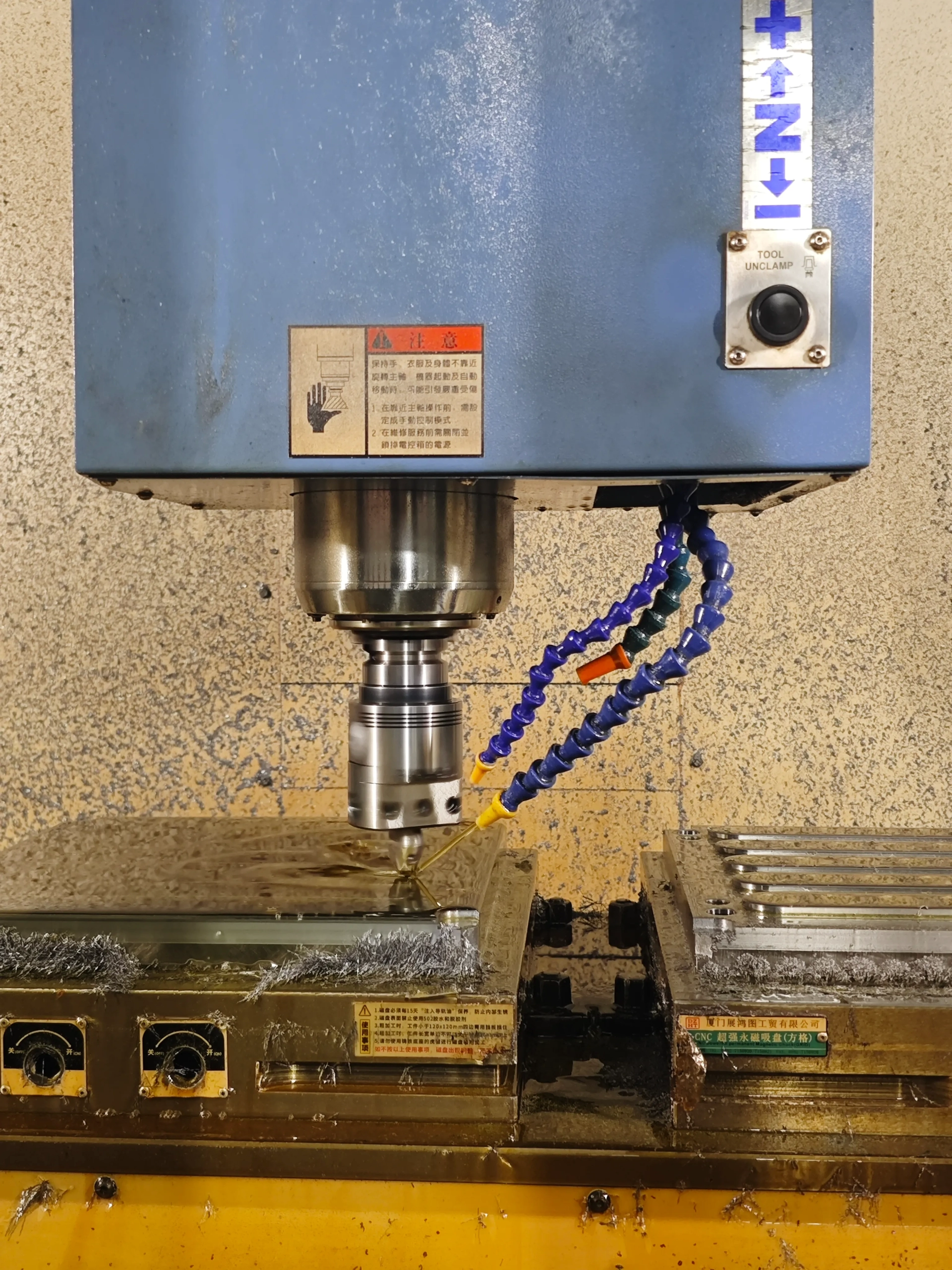
Our expertise lies in transforming complex silicone part designs into dimensionally stable, high-cycle metal tooling. We leverage advanced multi-axis CNC machining, stringent in-process metrology, and deep material science knowledge to eliminate common pitfalls like flash lines, inconsistent wall thickness, or surface imperfections that originate from mold inaccuracies. This precision engineering approach ensures predictable material flow, optimal cure characteristics, and repeatable part quality batch after batch. The consequences of imprecise tooling extend beyond scrap rates; they impact product lifespan, regulatory compliance, and ultimately, end-user safety in mission-critical applications.
Wuxi Lead Precision Machinery’s commitment to this standard is proven through rigorous real-world validation. Our tooling solutions have directly contributed to components used in Olympic Games ceremonial equipment demanding absolute reliability under global scrutiny and in military-grade avionics systems where failure is not an option, adhering strictly to MIL-STD specifications. This experience underscores our understanding that precision in silicone molding is not optional – it is the core requirement.
The following table outlines critical specifications achievable through our precision metal tooling process for high-integrity silicone molding:
| Specification Parameter | Standard Capability | High-Precision Capability | Military/Olympic Grade Capability |
|---|---|---|---|
| Linear Dimensional Tolerance | ±0.10 mm | ±0.05 mm | ±0.025 mm |
| Surface Roughness (Cavity) | Ra 0.8 µm | Ra 0.4 µm | Ra 0.2 µm |
| Feature Location Tolerance | ±0.08 mm | ±0.04 mm | ±0.02 mm |
| Mold Thermal Stability (Δ) | ±5°C | ±3°C | ±1.5°C |
| Expected Tool Life (Cycles) | 50,000+ | 100,000+ | 250,000+ |
Demanding applications require more than standard mold fabrication; they require engineered precision at every stage. Wuxi Lead Precision Machinery delivers the metal tooling foundation that ensures your silicone components meet the uncompromising standards of performance, safety, and reliability required by the world’s most critical industries. Partner with engineers who understand that the integrity of your silicone part begins with the precision of its metal mold.
Precision Specs & Tolerances
Advanced Technical Capabilities in Precision Metal Manufacturing
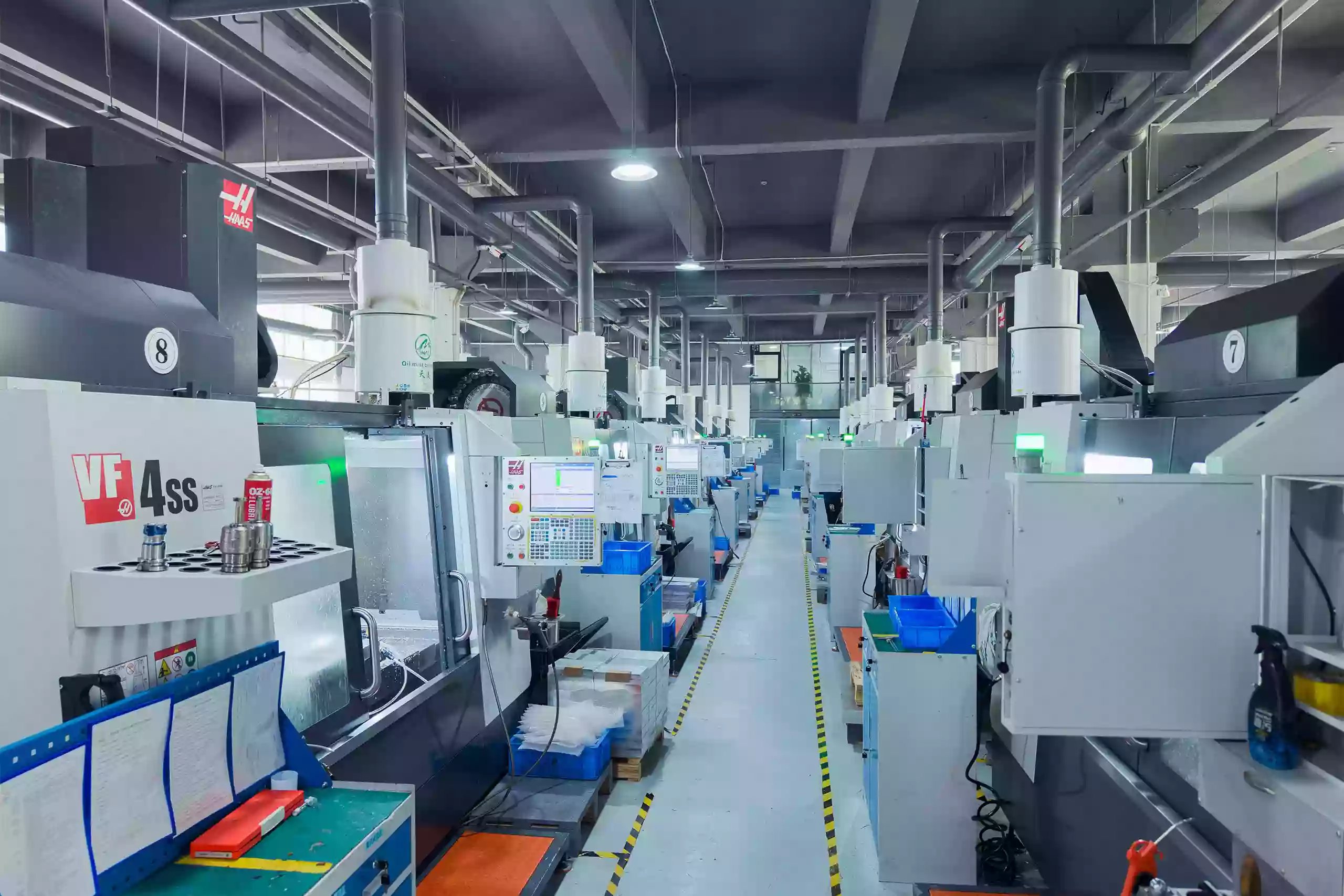
Wuxi Lead Precision Machinery delivers world-class custom metal manufacturing solutions engineered for the most demanding industrial applications, including high-performance tooling for 3D mold silicone production. Our technical capabilities are anchored in state-of-the-art 5-axis CNC machining technology, enabling us to produce complex geometries with exceptional surface finish and dimensional accuracy. These systems provide simultaneous multi-axis motion, allowing for intricate contours, undercuts, and organic shapes that are often required in silicone molding applications where detail reproduction and thermal stability are critical.
Our 5-axis CNC centers are equipped with high-speed spindles, automated tool changers, and real-time tool wear compensation, ensuring consistent part quality across both prototyping and high-volume production runs. The integration of advanced CAM software allows for optimized tool paths, minimizing cycle times while maximizing material removal efficiency and surface integrity. This level of precision is essential when machining mold inserts, cavities, and cores used in liquid silicone rubber (LSR) and high-consistency rubber (HCR) molding processes.
To guarantee compliance with stringent industry standards, every component undergoes comprehensive quality control protocols. Our inspection process is centered around a Coordinate Measuring Machine (CMM) with multi-sensor technology, capable of micron-level verification of critical dimensions, form tolerances, and geometric features. All measurements are documented in detailed inspection reports, providing full traceability for aerospace, medical, and automotive clients where regulatory compliance is mandatory.
In addition to CMM inspection, we employ surface roughness testers, optical comparators, and hardness testing equipment to validate material properties and finish characteristics. Our quality management system is ISO 9001 certified, reflecting our commitment to continuous improvement and defect prevention across all manufacturing stages.
The following table outlines the standard technical specifications and achievable tolerances for our 5-axis CNC machining services, specifically tailored for 3D mold silicone tooling applications:
| Parameter | Specification |
|---|---|
| Machine Type | 5-Axis CNC Machining Centers |
| Spindle Speed | Up to 24,000 RPM |
| Positioning Accuracy | ±0.005 mm |
| Repeatability | ±0.003 mm |
| Linear Dimensional Tolerance | ±0.010 mm (standard), ±0.005 mm (tight) |
| Geometric Tolerance (GD&T) | ±0.008 mm (form and position) |
| Surface Roughness (Ra) | As low as 0.2 µm (polished finish available) |
| Maximum Work Envelope | 1,200 x 800 x 600 mm |
| Materials Supported | P20, H13, S136, 718, Stainless Steel, Aluminum, Brass |
| Inspection Equipment | Zeiss CMM, Optical Comparator, Surface Tester |
Wuxi Lead Precision Machinery combines advanced equipment, rigorous quality assurance, and deep domain expertise to deliver mold components that ensure superior part replication, extended tool life, and minimal post-processing. Our technical capabilities are designed to meet the evolving demands of the silicone molding industry, where precision, reliability, and repeatability are non-negotiable.
Material & Finish Options
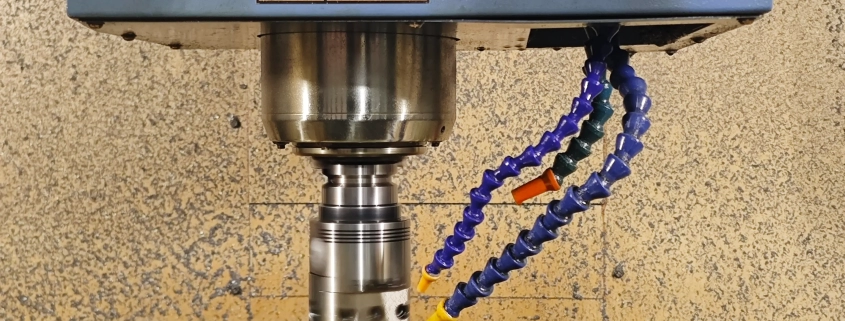
Material Selection for Precision Silicone Molding Applications
Selecting the optimal material for silicone molding tools directly impacts part quality, production efficiency, and total cost of ownership. At Wuxi Lead Precision Machinery, we emphasize that the term “3D mold silicone” typically refers to molds for casting silicone rubber parts—not the mold material itself. These molds require exceptional dimensional stability, thermal management, and surface integrity to replicate intricate geometries and achieve tight tolerances. Aluminum, steel, and titanium each offer distinct advantages depending on production volume, part complexity, and performance demands.
Aluminum alloys, particularly 7075-T6, dominate low-to-mid volume production due to superior thermal conductivity (150–180 W/m·K), enabling faster cycle times and uniform curing. Its machinability reduces lead times and costs for prototyping or small batches. However, aluminum’s lower hardness (150 HB) limits longevity in abrasive silicone formulations. Steel, especially pre-hardened P20 or tool steel H13, excels in high-volume runs with hardness ratings of 28–52 HRC. It withstands repeated thermal cycling and offers superior wear resistance, though slower heat dissipation may extend cycle times. Titanium alloys (e.g., Ti-6Al-4V) are reserved for niche aerospace or medical applications where extreme corrosion resistance and weight reduction justify their premium cost. While titanium’s thermal conductivity is low (7 W/m·K), its biocompatibility and inertness prevent silicone adhesion issues in critical environments.
Surface finishes further define mold performance. Anodizing is non-negotiable for aluminum molds, creating a hard, non-stick oxide layer that resists galling and eases part release. Type II (sulfuric acid) anodizing at 15–25 µm thickness provides standard protection, while Type III (hard anodizing) at 50+ µm suits abrasive silicones. For steel molds, nitriding or electroless nickel plating complements polishing to Ra < 0.1 µm, ensuring flawless surface replication.
Below is a comparative overview of core material properties for silicone molding tools:
| Material | Hardness (Typical) | Thermal Conductivity (W/m·K) | Machinability | Best Application Volume |
|---|---|---|---|---|
| Aluminum 7075 | 150 HB | 150–180 | Excellent | 1–5,000 cycles |
| Steel P20 | 28–32 HRC | 28–36 | Good | 10,000–100,000+ cycles |
| Steel H13 | 48–52 HRC | 24–30 | Moderate | 50,000–500,000+ cycles |
| Titanium Ti-6Al-4V | 36 HRC | 6–7 | Poor | Specialized low-volume |
Strategic material pairing with finishing processes maximizes ROI. For example, anodized aluminum molds reduce initial investment for startups, while hardened steel molds lower per-part costs in mass production. Wuxi Lead Precision Machinery leverages decades of CNC expertise to match your silicone molding requirements with the optimal material-finish combination, ensuring repeatability down to ±0.005 mm. Contact our engineering team to analyze your part geometry, silicone compound, and volume needs for a tailored solution.
Manufacturing Process & QC
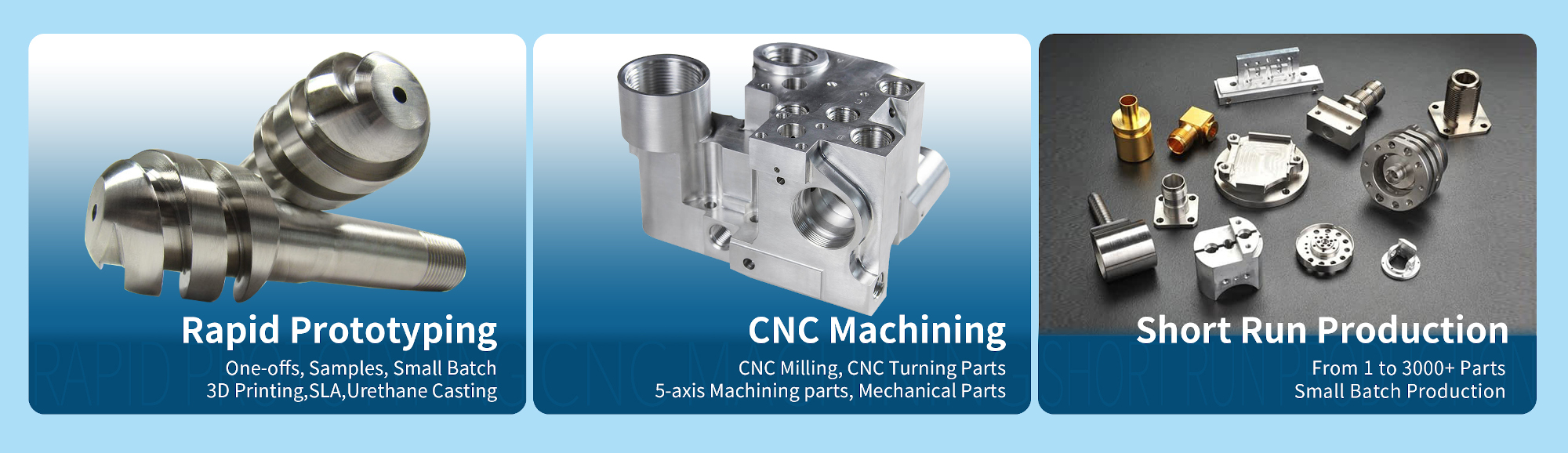
Design: Precision Engineering as the Foundation
At Wuxi Lead Precision Machinery, the journey of producing high-performance 3D mold silicone tooling begins with meticulous design engineering. Our team of experienced mechanical and industrial engineers collaborates closely with clients to translate conceptual requirements into technically robust 3D CAD models. Utilizing advanced simulation software such as SolidWorks and ANSYS, we conduct thermal, stress, and flow analysis to anticipate material behavior during the silicone molding process. This predictive modeling ensures optimal mold geometry, gate placement, and cooling channel design—critical factors in achieving zero-defect production. Every design undergoes rigorous internal review and client validation before advancing to prototyping, minimizing downstream risks and ensuring alignment with functional and dimensional specifications.
Prototyping: Validating Performance Before Scale
Once the digital design is approved, we proceed to prototype development using high-precision CNC machining centers and wire EDM technology. Prototypes are manufactured from tool-grade steels such as H13 or S136, mirroring the materials and tolerances of full-scale production molds. This phase allows us to physically validate mold functionality, ejection mechanisms, part fit, and surface finish under real-world conditions. Silicone samples are produced using the same injection parameters intended for mass production, enabling material and process verification. Any dimensional deviations or flow imperfections are captured through CMM (Coordinate Measuring Machine) inspection and 3D scanning, feeding data back into design refinement. This closed-loop iteration ensures that only fully validated molds enter the production phase, eliminating costly errors at scale.
Mass Production: Consistency Through Automation and Control
With design and prototype approval, we transition to high-volume manufacturing under a zero-defect quality framework. Our production floor integrates automated CNC machining cells, robotic part handling, and real-time process monitoring systems. Each mold component is machined to tolerances within ±0.002 mm, with surface finishes tailored to the silicone application—ranging from mirror polishing (Ra ≤ 0.05 µm) to textured matte finishes. In-process inspections occur at every critical stage, supported by SPC (Statistical Process Control) to maintain consistency across batches. Final assembly is conducted in a climate-controlled cleanroom environment, followed by full mold testing under simulated production cycles.
All molds undergo a comprehensive quality audit, including leak testing, cycle time validation, and first-article inspection. Only after passing 100% compliance checks are molds packaged with documentation and shipped globally. This end-to-end control, from design through delivery, ensures that every 3D mold silicone system we produce meets the highest standards of reliability, performance, and repeatability.
| Specification | Value |
|---|---|
| Dimensional Tolerance | ±0.002 mm |
| Surface Roughness (Ra) | 0.05 – 0.8 µm (adjustable) |
| Material Options | H13, S136, NAK80, 718H |
| Mold Life | 500,000+ cycles (depending on application) |
| Lead Time (Prototype) | 15–25 days |
| Quality Standards | ISO 9001:2015, IATF 16949 |
| Testing Protocol | CMM, 3D Scanning, Mold Flow Trial |
Why Choose Wuxi Lead Precision
Elevate Your Silicone Molding Precision Through Strategic Partnership
Achieving flawless silicone replication in complex 3D molds demands more than standard tooling—it requires micron-level metal fabrication expertise. At Wuxi Lead Precision Machinery, we engineer custom mold bases and cavities using advanced CNC milling and grinding processes, directly addressing the thermal stability and surface integrity challenges inherent in high-cycle silicone molding. Our ISO 9001-certified facility in Wuxi integrates material science with precision manufacturing to eliminate common failure points: inconsistent shrinkage, parting line flash, and premature wear. By controlling tolerances to ±0.005mm and surface finishes down to Ra 0.05μm, we ensure your silicone components meet aerospace, medical, and electronics industry specifications without secondary polishing.
Consider the technical foundation of our silicone molding solutions:
| Specification Category | Capability | Relevance to Silicone Molding |
|---|---|---|
| Material Options | P20, H13, Stainless 420, Aluminum 7075 | Optimized thermal conductivity for uniform curing and reduced cycle times |
| Dimensional Tolerance | ±0.005mm (critical features) | Prevents flash and ensures repeatable part geometry across 50,000+ cycles |
| Surface Finish | Ra 0.05μm to Ra 0.8μm (mirror to textured) | Eliminates silicone adhesion issues while maintaining aesthetic requirements |
| Lead Time | 15–25 days (complex molds) | Accelerates time-to-market for prototyping and production runs |
| Quality Validation | CMM, optical comparators, leak testing | Certifies dimensional compliance per ASME Y14.5 standards |
We recognize that silicone molding success hinges on the synergy between mold metallurgy and process parameters. Our engineering team collaborates from initial design review through production validation, applying finite element analysis (FEA) to predict thermal deformation under molding pressures up to 150 bar. This proactive approach minimizes costly iterations—our clients report 40% fewer mold corrections versus conventional suppliers. For medical-grade applications, we implement cleanroom assembly and passivation protocols to meet ISO 13485 requirements, ensuring biocompatibility for implantable components.
Partnering with Lead Precision means accessing dedicated technical resources without outsourced dependencies. Our 12,000m² facility houses 35 CNC machining centers, including 5-axis DMG MORI systems capable of contouring organic geometries within 0.003mm total runout. Every project receives direct oversight from our Senior Tooling Engineers, who average 15 years in precision mold manufacturing for global OEMs. This vertical integration—from steel selection to final inspection—delivers the consistency your high-value silicone products demand.
Initiate your next-generation silicone molding project with engineered certainty. Contact our technical sales team at [email protected] to schedule a process consultation. Include your target material (e.g., HTV silicone, LSR), part complexity level, and volume requirements for a tailored capability assessment. We respond to all inquiries within 4 business hours with actionable engineering insights—not generic proposals. Trust Wuxi Lead Precision Machinery to transform your silicone molding challenges into competitive advantage through uncompromising metal manufacturing excellence.
⚙️ Precision Cost Estimator
Estimate relative manufacturing effort based on tolerance.