

Technical Contents
Engineering Guide: 3D Cad Services
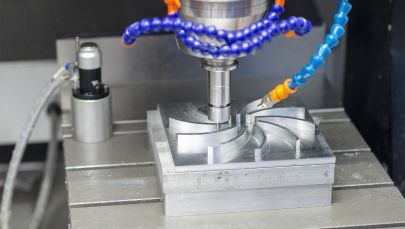
Engineering Insight Precision in 3D CAD Services for Mission-Critical Metal Manufacturing
In custom metal manufacturing, the fidelity of the 3D CAD model is not merely a design step; it is the absolute foundation for achieving physical part accuracy, functional performance, and ultimately, project success. Errors or approximations introduced at the digital design stage propagate exponentially through CNC programming, machining, and assembly, resulting in costly scrap, rework, delayed timelines, and compromised product integrity. For high-stakes applications—particularly in aerospace, defense, medical, and precision instrumentation—where tolerances often reside in the micron range, the CAD model must be a mathematically perfect digital twin of the intended physical component. This demands more than basic modeling proficiency; it requires deep engineering insight into manufacturability, material behavior, geometric dimensioning and tolerancing (GD&T) rigor, and the intricate capabilities and limitations of advanced CNC processes. A substandard CAD file translates directly into compromised part quality, regardless of machine tool capability.
At Wuxi Lead Precision Machinery, our 3D CAD services are engineered specifically for the uncompromising demands of precision metal fabrication. We treat the CAD model as the critical control point in the entire production chain. Our senior engineering team, with direct experience delivering components for Olympic-caliber timing systems and certified military/aerospace assemblies, understands that precision begins long before the spindle turns. We implement rigorous multi-stage validation protocols far exceeding standard industry practice. Every model undergoes comprehensive clash detection, manufacturability analysis against our specific HAAS, DMG MORI, and Makino equipment libraries, and meticulous GD&T verification against ASME Y14.5 standards. This ensures the digital geometry is not only dimensionally exact but also inherently optimized for efficient, error-free CNC execution, minimizing post-processing and maximizing first-article success rates.
Our commitment to metrology-grade CAD is quantifiable. We consistently achieve and validate the specifications outlined below, forming the bedrock of our zero-defect manufacturing philosophy for critical components.
| Parameter | Capability | Validation Method | Industry Standard Reference |
|---|---|---|---|
| Geometric Tolerance | ±0.002 mm (±0.00008 in) | ISO 10360-8 CMM Simulation | ISO 2768-mK / ASME Y14.5 |
| Surface Model Accuracy | Sub-5μm deviation | Point Cloud Comparison | ISO 10360-5 |
| GD&T Implementation | Full ASME Y14.5-2018 Compliance | Automated Tolerance Stack Check | ASME Y14.5-2018 |
| File Format Fidelity | Native Parasolid, STEP AP242 | Cross-Platform Validation | ISO 10303-242 |
| Model Repair/Healing | 100% Watertight Geometry | Boundary Representation Check | ISO 14649 (STEP-NC) |
This precision-centric approach, forged through projects requiring absolute reliability under extreme conditions, eliminates the guesswork and risk inherent in generic CAD services. When your application demands micron-level consistency—whether for a satellite deployment mechanism or a next-generation medical implant—the integrity of the 3D CAD model is non-negotiable. Wuxi Lead Precision Machinery delivers not just files, but certified digital foundations engineered for flawless physical realization, ensuring your most demanding metal components meet the highest standards of performance and reliability from the first cut.
Precision Specs & Tolerances
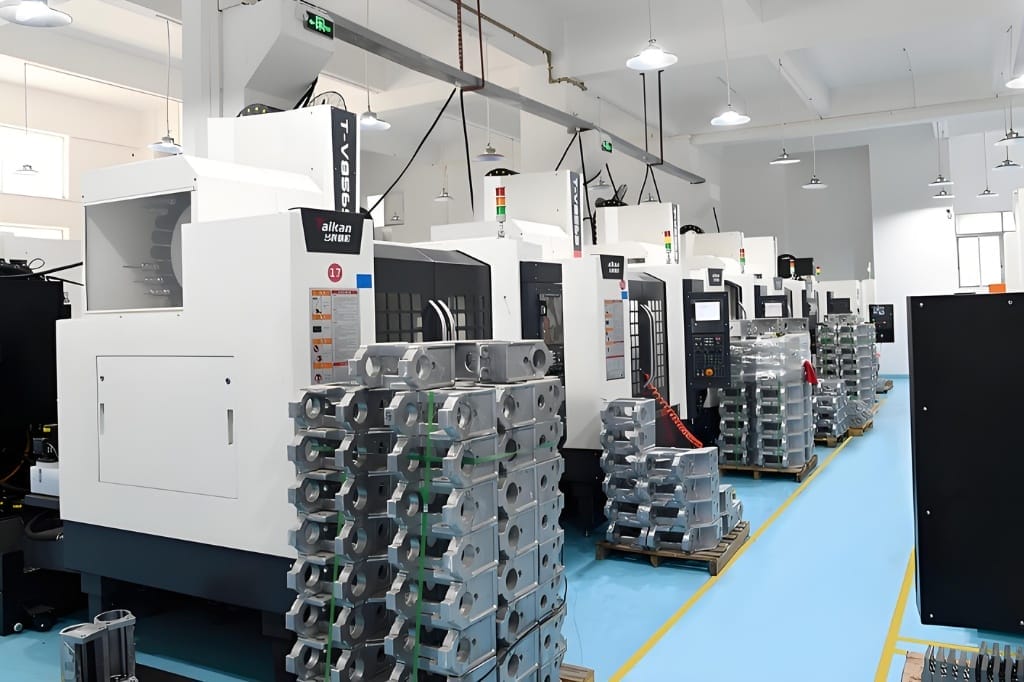
Wuxi Lead Precision Machinery delivers advanced 3D CAD services integrated with precision metal manufacturing, enabling clients to transition seamlessly from concept to high-tolerance production. Our technical capabilities are anchored in state-of-the-art 5-axis CNC machining, which allows for the creation of complex geometries with exceptional accuracy and surface finish. By leveraging cutting-edge 3D CAD modeling software, our engineering team develops detailed digital prototypes that align precisely with functional requirements, material behavior, and manufacturability constraints. This ensures optimal design validation before any material is cut, reducing lead times and minimizing rework.
Our 5-axis CNC machining centers provide simultaneous multi-directional tool movement, enabling the machining of intricate contours and undercuts in a single setup. This reduces part handling, improves positional accuracy, and enhances overall consistency—critical for aerospace, medical, and high-performance industrial applications. The integration of 3D CAD models with our CNC programming systems ensures precise toolpath generation, maximizing efficiency and dimensional fidelity across both prototypes and high-volume production runs.
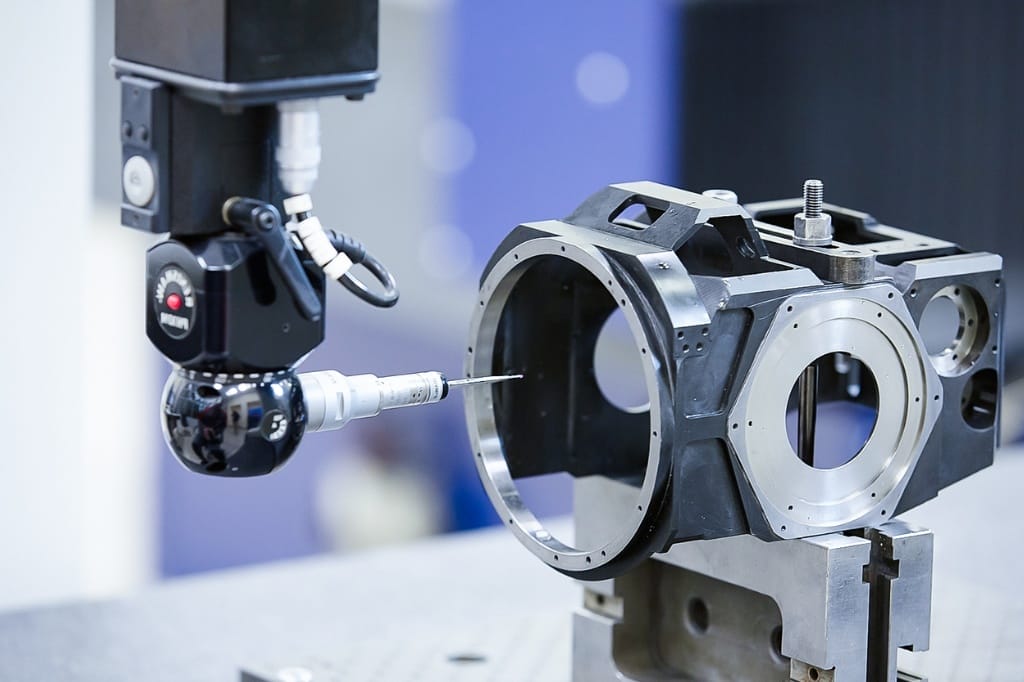
Quality is central to our manufacturing philosophy. Every component undergoes rigorous inspection using a Coordinate Measuring Machine (CMM), which verifies geometric conformity to CAD-defined tolerances with micron-level precision. Our CMM system supports full first-article inspection (FAI) reports and is utilized throughout production for statistical process control (SPC), ensuring sustained quality across batches. All inspection data is traceable and documented to meet ISO 9001 standards and customer-specific requirements.
We support a wide range of engineering alloys, including aluminum, stainless steel, titanium, and high-temperature superalloys, all machined under controlled environmental conditions to prevent thermal distortion. Our facility maintains strict calibration schedules for all equipment, ensuring long-term measurement stability and process reliability.
The following table outlines our standard tolerance capabilities based on feature type and material group. These values represent our typical production performance; tighter tolerances are achievable upon engineering review and are subject to design complexity and material stability.
| Feature Type | Standard Tolerance (mm) | Tight Tolerance (mm) | Notes |
|---|---|---|---|
| Linear Dimensions | ±0.05 | ±0.01 | Up to 300 mm; larger dimensions on request |
| Hole Diameter | ±0.03 | ±0.01 | Reamed or precision bored |
| Positional Tolerance | ±0.05 | ±0.02 | Relative to datum |
| Flatness | 0.05 mm per 100 mm | 0.02 mm per 100 mm | Verified via CMM |
| Surface Finish (Ra) | 3.2 µm | 0.8 µm | As-machined; polishing available |
All 3D CAD services are performed in alignment with client-supplied specifications or developed in collaboration with our design engineers to optimize for performance, assembly, and manufacturability. At Wuxi Lead Precision Machinery, we combine digital precision with advanced machining to deliver components that meet the most demanding industrial standards.
Material & Finish Options
Material Selection for Precision CNC Manufacturing: A CAD-Driven Approach
Material selection is not a downstream decision but a fundamental parameter integrated into the earliest 3D CAD modeling stages. At Wuxi Lead Precision Machinery, we emphasize that optimal part performance, manufacturability, and cost efficiency are intrinsically linked to the correct material choice aligned with your functional requirements and CAD geometry. Selecting Aluminum, Steel, or Titanium requires careful analysis of mechanical properties, environmental exposure, weight constraints, and finish requirements before finalizing your digital model. Misalignment here leads to costly redesigns, production delays, or premature part failure, negating the precision of advanced CNC machining.
Aluminum alloys, particularly 6061-T6 and 7075-T6, dominate applications demanding an exceptional strength-to-weight ratio, excellent thermal conductivity, and good machinability. These alloys are ideal for aerospace components, heat sinks, and structural frames where weight savings are critical. Their lower density significantly reduces inertia in moving parts. Steel, especially 4140, 4340, and 304/316 stainless variants, provides superior strength, hardness, and wear resistance essential for high-stress applications like hydraulic manifolds, tooling, and marine hardware. Stainless grades offer inherent corrosion resistance, crucial for medical or food processing environments. Titanium Ti-6Al-4V (Grade 5) is the premium solution for extreme conditions, offering near-steel strength at 40% less weight with unparalleled corrosion resistance in saltwater or chemical exposure, making it indispensable for critical aerospace and medical implants, despite higher material and machining costs.
Surface finish, particularly anodizing for aluminum, must be considered during CAD design. Anodizing adds a controlled, hard oxide layer enhancing corrosion resistance, wear properties, and providing electrical insulation. However, the process consumes base material. Sharp internal corners or complex geometries in the CAD model can lead to uneven coating thickness or burning during anodizing. Our engineering team reviews CAD files specifically for anodizing compatibility, advising on minimum radii and dimensional allowances to ensure the final part meets both aesthetic and functional specifications after finishing. Ignoring these factors in the digital model results in non-conforming physical parts.
The following table summarizes key comparative properties to inform your CAD-driven material specification:
| Material | Typical Density (g/cm³) | Tensile Strength (MPa) | Key Advantages | Primary Applications | Machinability Rating |
|---|---|---|---|---|---|
| Aluminum 6061-T6 | 2.70 | 310 | Excellent strength/weight, corrosion resistant, highly machinable | Aerospace frames, automotive parts, consumer electronics | Excellent |
| Steel 4140 | 7.85 | 655 | High strength, toughness, good wear resistance | Shafts, gears, tooling, high-stress structural | Good |
| Stainless 316 | 8.00 | 572 | Superior corrosion resistance, high temp stability | Marine hardware, medical devices, chemical processing | Fair |
| Titanium Ti-6Al-4V | 4.43 | 900 | Highest strength/weight, extreme corrosion resistance | Aerospace components, medical implants, racing | Poor (requires specialized tooling) |
Leveraging precise 3D CAD data allows our engineers to simulate material behavior during CNC machining and predict final part performance. We provide comprehensive material certification and mill test reports. Engage our application engineers early in your design phase; sharing your CAD model enables us to validate material suitability, optimize for manufacturability, and ensure the selected finish like anodizing integrates seamlessly with your geometry, guaranteeing a flawless transition from digital design to high-precision metal component.
Manufacturing Process & QC
Design Excellence Begins with Precision Engineering
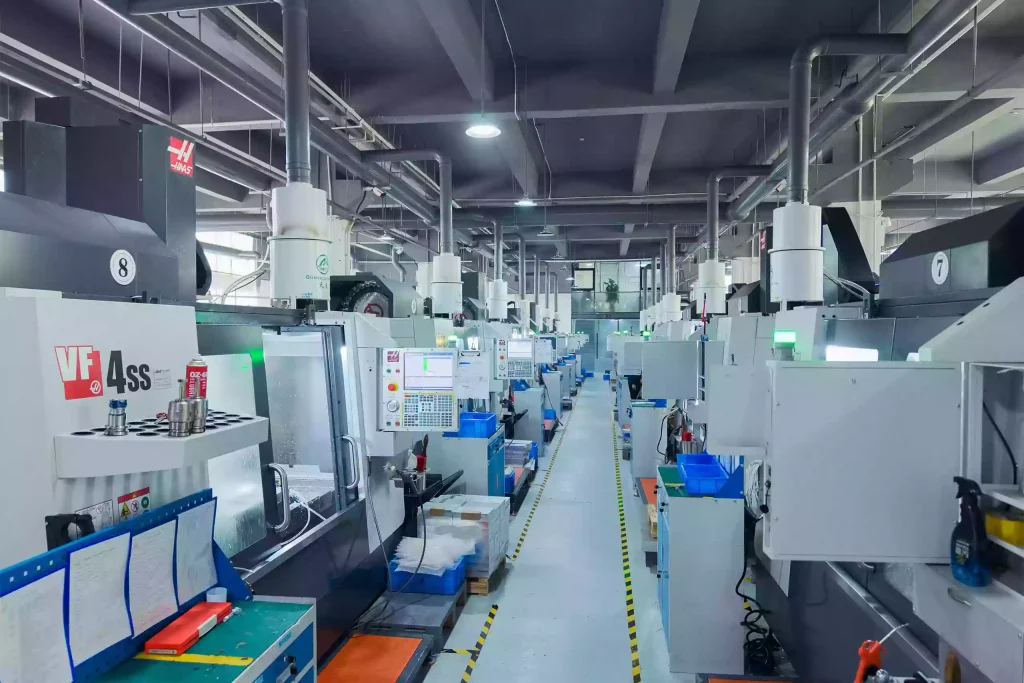
At Wuxi Lead Precision Machinery, we integrate advanced 3D CAD services into every phase of custom metal manufacturing, ensuring seamless transition from concept to final product. Our production process is engineered for zero defects, built on a foundation of rigorous design validation, iterative prototyping, and tightly controlled mass production. This systematic approach guarantees dimensional accuracy, functional reliability, and full compliance with international quality standards.
The process begins with detailed 3D CAD modeling, where our engineering team collaborates directly with clients to translate technical requirements into precise digital designs. Utilizing industry-leading software such as SolidWorks, AutoCAD, and Siemens NX, we develop fully parametric models that include geometric dimensioning, material specifications, and tolerance analysis. Finite element analysis (FEA) and design for manufacturability (DFM) reviews are conducted at this stage to preempt potential production issues and optimize part performance under real-world conditions.
Once the CAD model is finalized and approved, we move into the prototyping phase. Using CNC machining, sheet metal fabrication, or 3D printing—depending on material and application—we produce physical prototypes for functional testing and design validation. These prototypes undergo comprehensive inspection using coordinate measuring machines (CMM), laser scanning, and optical comparators to verify conformity within ±0.005 mm tolerance. Client feedback is incorporated at this stage, enabling rapid design iterations without impacting the production timeline.
Upon prototype approval, the project transitions to mass production. Our automated CNC machining centers, robotic welding cells, and precision stamping lines operate under strict process controls, guided by the validated 3D CAD data. Each production run is monitored through statistical process control (SPC) systems, ensuring consistency across thousands of parts. In-line inspections, first-article inspections (FAI), and final quality audits are performed to uphold our zero-defect standard. All critical dimensions and material properties are documented, providing full traceability for aerospace, medical, and industrial clients.
Our end-to-end integration of 3D CAD services ensures that every manufactured component reflects the original design intent with uncompromising accuracy. From initial sketch to high-volume output, Wuxi Lead Precision Machinery delivers precision, reliability, and repeatable quality.
| Specification | Detail |
|---|---|
| CAD Software Used | SolidWorks, AutoCAD, Siemens NX, Creo Parametric |
| Typical Tolerance | ±0.005 mm (CNC Machining), ±0.02 mm (Sheet Metal) |
| Prototyping Lead Time | 5–10 working days (depending on complexity) |
| Materials Supported | Aluminum (6061, 7075), Stainless Steel (304, 316), Titanium, Brass, Carbon Steel |
| Inspection Equipment | CMM, Optical Comparator, Laser Scanner, Roughness Tester |
| Production Capacity | Up to 50,000 units/month (automated lines) |
| Quality Standards | ISO 9001:2015, AS9100D (aerospace), ISO 13485 (medical) |
Why Choose Wuxi Lead Precision
Elevate Your Precision Manufacturing Through Strategic CAD Partnership
At Wuxi Lead Precision Machinery, we recognize that superior custom metal components begin long before the first chip is cut. Our integrated 3D CAD services are engineered to transform conceptual designs into flawless, manufacturable realities—eliminating costly iterations and accelerating time-to-market. Partnering with us means aligning with a team that speaks the language of precision engineering, where every curve, tolerance, and assembly interface is scrutinized for optimal production efficiency. We do not merely interpret your CAD files; we enhance them through deep manufacturing expertise, ensuring your vision aligns with the realities of high-accuracy CNC machining, sheet metal fabrication, and complex assembly.
Our engineers collaborate directly with your design team to identify potential manufacturability hurdles early in the development cycle. This proactive approach prevents downstream delays, reduces material waste, and guarantees that final parts meet stringent aerospace, medical, and industrial specifications. Unlike generic CAD providers, we embed decades of shop-floor experience into every model, applying Design for Manufacturing (DFM) principles that optimize tool paths, minimize setup complexity, and maximize yield. When you submit a CAD file to Lead Precision, you receive actionable feedback—not just validation—that strengthens both design integrity and production economics.
Technical Capabilities at a Glance
| Specification | Detail |
|---|---|
| Supported File Formats | STEP, IGES, Parasolid, SolidWorks, DXF |
| Tolerance Range | ±0.005mm to ±0.05mm (feature-dependent) |
| DFM Integration | Real-time manufacturability analysis |
| Output Deliverables | Optimized CAD models, CAM-ready files, GD&T documentation |
This technical rigor is backed by ISO 9001-certified processes and state-of-the-art 5-axis CNC infrastructure, ensuring seamless translation from digital model to physical part. Whether prototyping cutting-edge medical devices or scaling production for heavy industrial systems, our CAD-to-manufacturing pipeline delivers repeatability you can measure—and trust.
Initiate your next project with confidence by submitting your CAD files directly to our engineering team. We provide a comprehensive manufacturability report within 48 hours, detailing actionable recommendations to enhance performance and reduce costs. Do not navigate the complexities of precision metal manufacturing alone. Contact us today to leverage CAD services built for engineers, by engineers.
Submit your design package to [email protected] and receive expert engineering support within one business day. Let Lead Precision transform your CAD data into certified, high-yield manufacturing solutions.
⚙️ Precision Cost Estimator
Estimate relative manufacturing effort based on tolerance.