

Technical Contents
Engineering Guide: 2X4 Sheet Metal
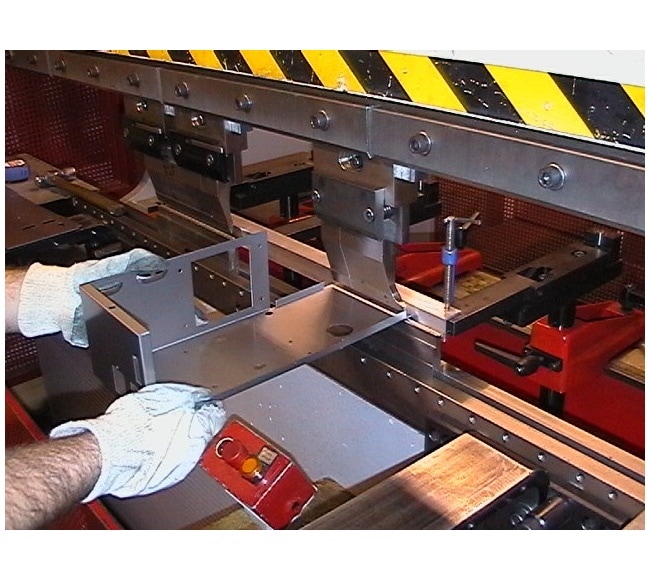
Engineering Insight: The Critical Role of Precision in 2×4 Sheet Metal Fabrication
In the realm of industrial manufacturing, the 2×4 sheet metal format—measuring 48 inches by 96 inches (1219 mm by 2438 mm)—is a cornerstone of efficient material utilization. While the dimensions may appear standard, the true value lies not in size alone, but in the precision with which this format is processed. At Wuxi Lead Precision Machinery, we recognize that even minor deviations in cutting, forming, or edge quality can cascade into significant downstream inefficiencies, affecting weld alignment, assembly tolerances, and final product integrity.
Precision in 2×4 sheet metal fabrication begins with material handling. Large-format sheets require advanced support systems to prevent deflection during laser cutting or stamping operations. Our CNC-controlled processing lines are engineered to maintain flatness and positional accuracy across the entire surface, ensuring that features machined at opposite corners align within ±0.05 mm. This level of consistency is not merely aspirational—it is a necessity for industries where repeatability defines reliability.
Our experience fabricating components for Olympic-grade sports infrastructure and defense applications has reinforced the non-negotiable nature of dimensional accuracy. In one project, 2×4 sheets were used to produce modular structural panels for a high-speed rail maintenance facility. Any variance exceeding 0.1 mm would have compromised the interlocking assembly system, delaying installation and increasing labor costs. Through our adaptive clamping technology and real-time laser calibration, Wuxi Lead delivered all panels within specification, enabling seamless on-site integration.
Beyond cutting, precision extends into bending and finishing. When forming flanges or channels on large sheets, springback and material grain direction must be accounted for. Our press brakes utilize dynamic crowning and servo-electric feedback to compensate for tonnage variance across the 2.4-meter span, ensuring uniform bend angles. This capability is critical when producing enclosures, chassis, or architectural cladding where fit and finish directly impact performance and aesthetics.
Material selection further influences precision outcomes. The 2×4 format is commonly used with mild steel, stainless steel, and aluminum alloys, each presenting unique challenges in thermal expansion and shear behavior. Our engineers collaborate with clients to select optimal gauges and grades, balancing structural requirements with manufacturability. For example, 3 mm stainless steel sheets in this format require slower cutting speeds and higher assist gas pressure to maintain edge squareness—parameters we have refined through thousands of production hours.
The following table outlines key technical specifications for 2×4 sheet metal processing at Wuxi Lead Precision Machinery:
| Parameter | Specification |
|---|---|
| Sheet Dimensions | 1219 mm × 2438 mm (48″ × 96″) |
| Material Thickness Range | 0.5 mm – 6.0 mm |
| Cutting Tolerance | ±0.05 mm |
| Bend Angle Accuracy | ±0.5° |
| Surface Flatness | ≤ 1.5 mm over full sheet |
| Supported Materials | Mild Steel, Stainless Steel, Aluminum, Galvanized Steel |
| Primary Processing | Fiber Laser Cutting, CNC Punching, Press Brake Forming |
At Wuxi Lead, precision is not a feature—it is the foundation. Our investment in German-grade servo drives, Swiss calibration systems, and in-house quality labs ensures that every 2×4 sheet we process meets the uncompromising standards demanded by aerospace, defense, and high-end industrial clients. When performance cannot be compromised, precision must be engineered in from the first cut.
Precision Specs & Tolerances
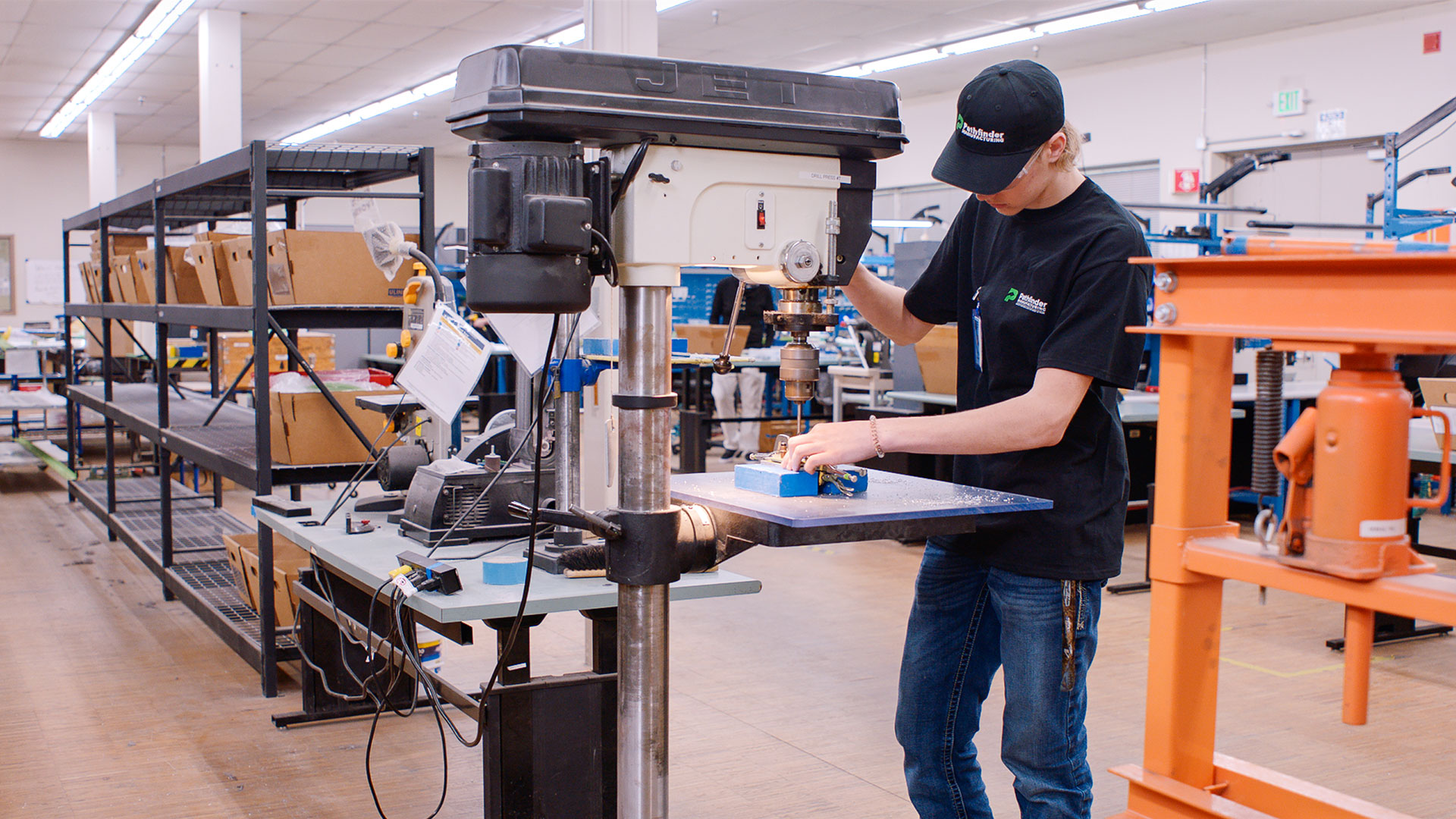
Technical Capabilities: Precision Sheet Metal Fabrication for 2×4 Format and Beyond
Wuxi Lead Precision Machinery delivers uncompromising precision in sheet metal fabrication, specializing in standard 24″x48″ (2×4 foot) blanks and larger formats up to 4×8 feet. Our core strength lies in integrating advanced 5-axis CNC technology with rigorous quality control protocols, ensuring dimensional accuracy and repeatability for mission-critical components across aerospace, medical, and industrial automation sectors. Operating state-of-the-art DMG MORI 5-axis milling and turning centers, we eliminate secondary operations by machining complex geometries in a single setup. This capability reduces cumulative error, shortens lead times by up to 40%, and maintains tight tolerances on intricate features such as undercuts, compound angles, and integrated mounting points within sheet metal substrates.
Five-axis integration is pivotal for high-mix, low-volume production where part complexity demands flexibility without sacrificing precision. Our systems dynamically adjust tool paths to maintain optimal cutting angles across contoured surfaces, minimizing burr formation and surface finish deviations. This is particularly critical for thin-gauge materials (0.5mm to 6.0mm) where deflection risks are elevated. Complementing this, our automated fiber laser cutting cells achieve kerf widths of ±0.02mm, enabling precise slotting, notching, and contouring for subsequent bending or assembly.
Quality assurance is non-negotiable. Every batch undergoes 100% first-article inspection via Zeiss CONTURA G2 Coordinate Measuring Machines (CMM), providing NIST-traceable validation of geometric dimensioning and tolerancing (GD&T). Full statistical process control (SPC) data, including 3D deviation maps, is documented per AS9102 or client-specific requirements. This closed-loop system ensures deviations are identified and corrected in real-time, guaranteeing conformance before parts progress to finishing stages.
Material versatility spans stainless steel (304, 316L), aluminum (5052, 6061), and cold-rolled steel, processed under controlled environmental conditions to mitigate thermal drift. Our bending cells, featuring CNC-controlled press brakes with automatic angle correction, achieve angular repeatability within ±0.1° even on extended 48-inch flanges.
The following table details our certified process tolerances for 2×4 sheet metal fabrication:
| Process | Tolerance Range | Measurement Method |
|---|---|---|
| Laser Cutting | ±0.02 mm linear | CMM verification |
| CNC Punching | ±0.05 mm hole position | Optical comparator |
| Press Brake Forming | ±0.1° angular | CMM + digital protractor |
| 5-Axis Milling | ±0.01 mm feature loc. | 3D CMM scan |
| Hole-to-Hole | ±0.03 mm positional | CMM GD&T analysis |
This technical foundation enables Wuxi Lead to transform engineering intent into flawless physical components. By embedding precision at every process node—from raw material validation through final inspection—we ensure your 2×4 sheet metal assemblies meet the most stringent functional and regulatory demands. Our commitment extends beyond equipment; it is realized through engineer-led process validation and a zero-defect culture that prioritizes your product’s performance in the field.
Material & Finish Options
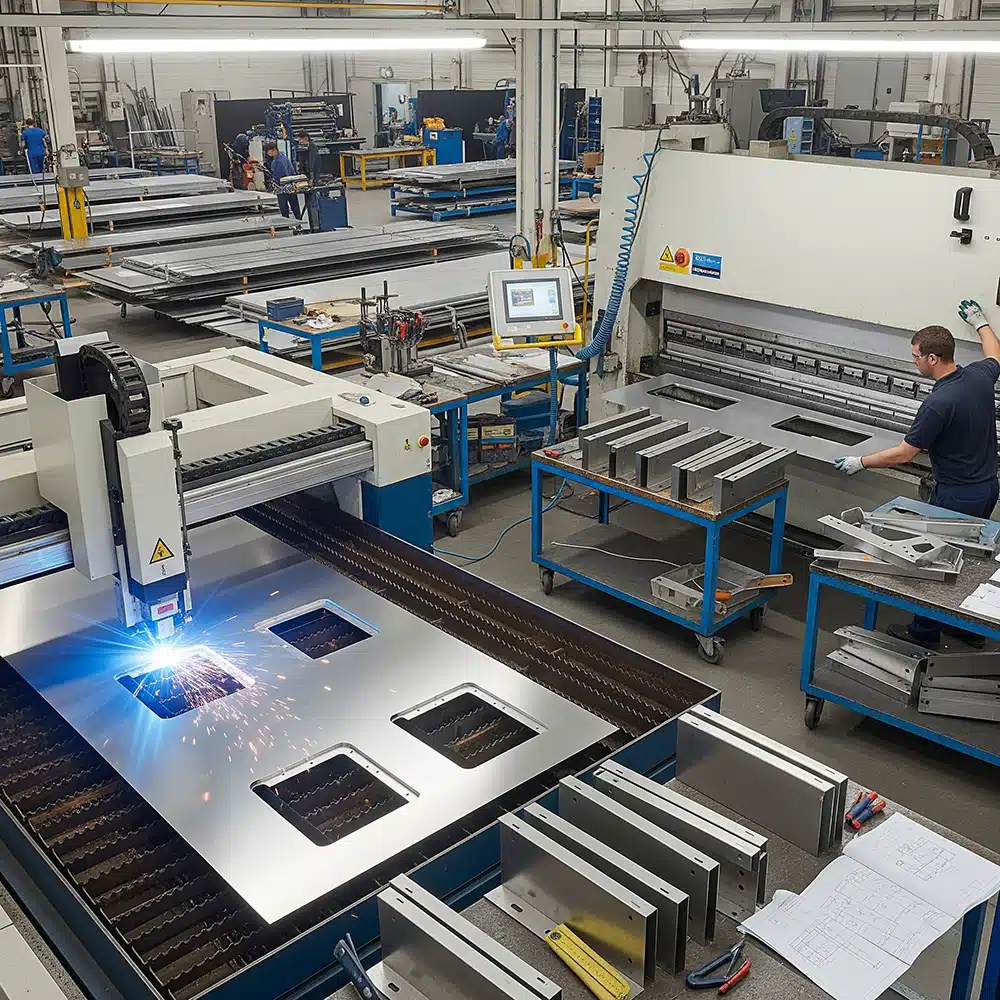
Material Selection for 2×4 Sheet Metal Fabrication
In precision sheet metal fabrication, material selection directly influences performance, durability, and cost-efficiency. For standard 2×4-foot sheet formats used in industrial enclosures, structural components, and high-performance machinery, three primary metals dominate: aluminum, steel, and titanium. Each offers distinct mechanical and chemical properties suited to specific operational environments.
Aluminum is widely favored for its excellent strength-to-weight ratio, corrosion resistance, and machinability. Grade 5052-H32 and 6061-T6 are most commonly used in sheet metal applications requiring weldability and moderate strength. Aluminum’s natural oxide layer provides inherent protection against rust, making it ideal for outdoor and marine environments. When enhanced with anodizing, its surface hardness and wear resistance increase significantly, offering both functional and aesthetic benefits.
Steel remains the backbone of heavy-duty fabrication. Cold-rolled steel (CRS) and galvanized steel are standard choices for 2×4 sheet processing due to their high tensile strength and cost-effectiveness. While more prone to oxidation than aluminum, galvanized coatings mitigate corrosion in humid or industrial settings. Steel’s superior rigidity makes it suitable for load-bearing frames and enclosures requiring electromagnetic shielding. However, its higher density increases overall component weight, which must be factored into design and transportation logistics.
Titanium, though less common due to cost, delivers unmatched performance in extreme conditions. Grade 2 (commercially pure) and Grade 5 (Ti-6Al-4V) titanium sheets offer exceptional strength-to-density ratios and resistance to high temperatures and corrosive media. These properties make titanium indispensable in aerospace, medical, and defense applications where reliability under stress is non-negotiable. Despite challenges in formability and tool wear during machining, titanium’s longevity in aggressive environments justifies its use in mission-critical systems.
Surface finishing further defines material performance. Anodizing, primarily applied to aluminum, is an electrochemical process that thickens the natural oxide layer. Type II (sulfuric acid) anodizing improves corrosion and wear resistance while allowing color dyeing for identification or branding. Type III (hardcoat) anodizing produces a denser, thicker layer suitable for high-abrasion environments. Unlike paint or plating, anodizing integrates with the base metal, ensuring no risk of chipping or delamination.
At Wuxi Lead Precision Machinery, we support all three materials in standard 2×4 sheet configurations, with in-house anodizing and finishing capabilities to meet international quality standards. Our engineering team collaborates with clients to match material properties with application demands, ensuring optimal performance and lifecycle value.
Mechanical and Finish Properties Comparison
| Material | Common Grades | Thickness Range (mm) | Tensile Strength (MPa) | Corrosion Resistance | Typical Finish |
|---|---|---|---|---|---|
| Aluminum | 5052-H32, 6061-T6 | 0.5 – 6.0 | 200 – 310 | High | Anodized (Type II/III) |
| Steel | CR1018, DX51D+Z | 0.8 – 8.0 | 300 – 500 | Moderate (coated) | Galvanized, Powder Coat |
| Titanium | Gr2, Gr5 (Ti-6Al-4V) | 0.5 – 5.0 | 345 – 900 | Excellent | As-machined, Passivated |
Manufacturing Process & QC
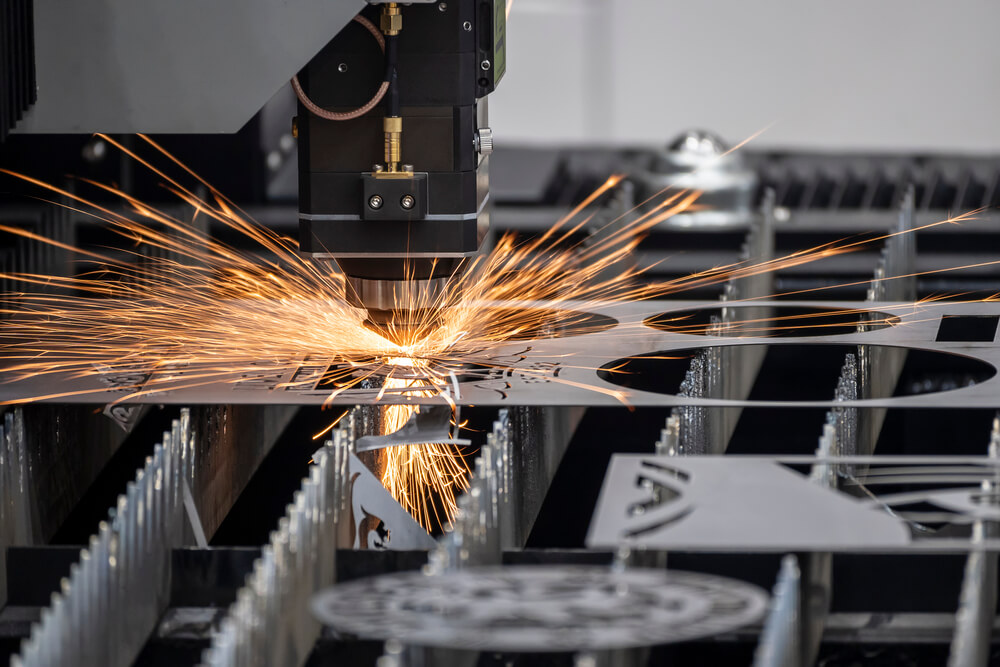
Precision Sheet Metal Fabrication: From Concept to Zero Defects Production
At Wuxi Lead Precision Machinery, transforming 2×4 sheet metal components from initial concept to flawless mass production demands a rigorously controlled, integrated workflow. Our Zero Defects philosophy is not aspirational; it is engineered into every phase, eliminating downstream costs and delays inherent in reactive quality control. We begin with the Design Phase, where theoretical concepts meet manufacturability. Our engineering team conducts exhaustive Design for Manufacturability (DFM) analysis, scrutinizing material selection, bend radii, hole placement, and feature interactions against our advanced CNC punching, laser cutting, and bending capabilities. This proactive review identifies potential stress points, tooling conflicts, or tolerance stack-ups before metal is cut, ensuring the design is inherently robust and optimized for high-yield production. Collaboration with the client at this stage is critical to align expectations and prevent costly revisions later.
The Prototyping Phase serves as the definitive physical validation of the DFM-optimized design. Utilizing the same production-grade CNC lasers and press brakes intended for volume runs, we fabricate functional prototypes under controlled conditions. Each prototype undergoes comprehensive metrology: critical dimensions are verified via Coordinate Measuring Machine (CMM), flatness is assessed with precision granite surface plates, and assembly fit is rigorously tested against mating components. Laser scanning generates a detailed tessellated mesh for full 3D comparison against the original CAD model, pinpointing even microscopic deviations. This phase is not merely about making a part; it is about proving the process capability and establishing the golden sample against which all mass production is measured.
Mass Production leverages the validated process and prototype data to achieve consistent, defect-free output. Our production cells operate under stringent Statistical Process Control (SPC), with real-time monitoring of key parameters like laser power stability, punch tonnage, and brake press angle repeatability. In-process gauging at critical stations ensures immediate correction of any drift. Every batch undergoes 100% visual inspection for surface defects and dimensional spot checks against the prototype master. Crucially, the Zero Defects outcome is sustained through traceability; material lot numbers, machine parameters, and inspection data are digitally linked for every component, enabling rapid root cause analysis should any anomaly arise – though our systems are designed to prevent anomalies entirely.
The table below outlines the core geometric specifications achievable for 2×4 sheet metal parts under our Zero Defects production system, verified through our integrated quality protocol.
| Parameter | Specification | Verification Method |
|---|---|---|
| Material Thickness | ±0.05 mm | Micrometer (per ISO 2768-mK) |
| Cut Edge Perpendicularity | ≤ 0.1° | Angle Gauge / CMM |
| Hole Diameter | ±0.05 mm (Ø ≤ 10mm) | Plug Gauges / CMM |
| Bend Angle | ±0.5° | Angle Gauge / Laser Scanner |
| Overall Flatness | ≤ 0.15 mm / 300 mm | Granite Surface Plate + Dial |
| Feature Position | ±0.1 mm | CMM (Full 3D Report) |
This seamless integration of design validation, physical prototyping under production conditions, and SPC-driven mass production ensures that every 2×4 sheet metal component shipped from Wuxi Lead meets exacting standards. Zero Defects is the measurable outcome of our process discipline, directly translating to your operational reliability and cost savings.
Why Choose Wuxi Lead Precision
Partner with Wuxi Lead Precision Machinery for Unmatched Excellence in 2×4 Sheet Metal Fabrication
When your manufacturing operations demand precision, consistency, and scalability in 2×4 sheet metal components, partnering with Wuxi Lead Precision Machinery ensures you gain a strategic advantage. As a leading sheet metal fabrication specialist based in Wuxi, China, we combine advanced CNC technology, rigorous quality control, and decades of engineering expertise to deliver components that meet the highest industrial standards. Whether you are producing enclosures, structural frames, or custom panels, our end-to-end solutions are engineered to support your production goals with zero compromise on accuracy or repeatability.
Our facility is equipped with state-of-the-art laser cutting, CNC punching, bending, and welding systems, all optimized for efficient processing of standard 2×4 feet (24×48 inch) sheet metal blanks. We work with a wide range of materials including cold-rolled steel, stainless steel, aluminum, and galvanized substrates, supporting thicknesses from 0.5 mm up to 6 mm. Every stage of fabrication is monitored through real-time quality assurance protocols, ensuring dimensional accuracy within ±0.1 mm and surface finishes that meet international specifications.
What sets Wuxi Lead Precision apart is our commitment to seamless integration with your supply chain. We offer just-in-time delivery, barcoded traceability, and full documentation packages including first-article inspection reports and material certifications. Our engineering team collaborates directly with your design and procurement departments to optimize part geometry, reduce material waste, and accelerate time-to-market. From prototype to high-volume production, we scale with your needs without sacrificing consistency.
Below are the key technical capabilities of our 2×4 sheet metal fabrication line:
| Specification | Detail |
|---|---|
| Sheet Size Capacity | 24 x 48 inches (610 x 1220 mm) |
| Material Types | Mild Steel, Stainless Steel (304, 316), Aluminum (5052, 6061), Galvanized Steel |
| Thickness Range | 0.5 mm – 6.0 mm |
| Tolerance | ±0.1 mm (standard), tighter upon request |
| Laser Cutting Accuracy | ±0.05 mm |
| CNC Punching | Up to 300 hits/min, multi-tool turret |
| Bending | CNC press brakes up to 300 tons, 3+ axis backgauging |
| Finishing Options | Deburring, grinding, powder coating, anodizing, passivation |
| Quality Standards | ISO 9001:2015 certified, full FAI and PPAP support |
We understand that in high-end manufacturing, reliability is not a service—it’s a requirement. At Wuxi Lead Precision Machinery, we build long-term partnerships by delivering precision, transparency, and performance on every order. If you are sourcing high-integrity 2×4 sheet metal components for aerospace, medical devices, industrial automation, or advanced electronics, we invite you to experience the difference of a true engineering partner.
Contact us today at [email protected] to discuss your project specifications, request a quote, or schedule a virtual factory audit. Let Wuxi Lead Precision Machinery become your trusted extension in precision sheet metal fabrication.
⚙️ Precision Cost Estimator
Estimate relative manufacturing effort based on tolerance.