

Technical Contents
Engineering Guide: 1018 Steel Bar
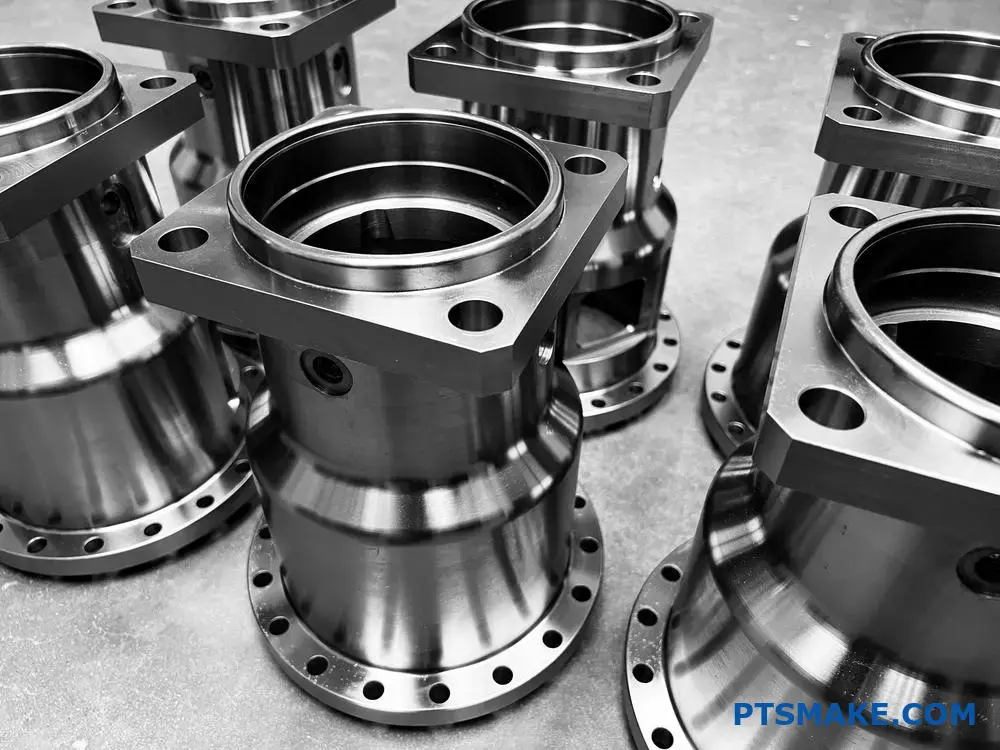
Engineering Insight: 1018 Steel Bar – Precision as a Standard
In the world of custom metal manufacturing, 1018 steel bar remains one of the most widely specified low-carbon steels due to its excellent machinability, weldability, and cost-effectiveness. However, its true value is unlocked only when precision engineering is applied throughout the manufacturing process. At Wuxi Lead Precision Machinery, we understand that even a material as accessible as 1018 steel demands exacting standards to meet the performance requirements of high-end industrial, military, and infrastructure applications.
While 1018 steel is often perceived as a general-purpose alloy, its mechanical behavior is highly sensitive to processing conditions. Variations in machining tolerances, heat treatment, and surface finish can significantly affect dimensional stability, fatigue resistance, and overall part reliability. For example, components used in automated assembly systems or precision actuators require tight tolerances—often within ±0.005 mm—to ensure proper fit and function. In such cases, the consistency of the steel bar’s diameter, straightness, and surface integrity becomes critical.
At Lead Precision, our experience in delivering mission-critical components for Olympic-grade equipment and defense systems has reinforced the principle that precision is not an add-on—it is foundational. Whether producing shafts, spindles, or custom fasteners from 1018 steel bar, we implement rigorous process controls from raw material sourcing to final inspection. Our CNC machining centers operate under continuous calibration, and our quality management system adheres to ISO 9001 standards, ensuring repeatability and traceability across every production batch.
Furthermore, our team applies material-specific expertise to optimize cutting parameters, tool selection, and workholding strategies for 1018 steel. This ensures minimal thermal distortion, superior surface finishes, and reduced secondary operations—critical for clients in automation, robotics, and high-cycle machinery sectors.
The following table outlines key mechanical and dimensional specifications relevant to precision-manufactured 1018 steel bar components:
| Property | Value | Standard Test Method |
|---|---|---|
| Carbon Content | 0.15–0.20% | ASTM A29 |
| Tensile Strength | 440–540 MPa | ASTM A370 |
| Yield Strength (min) | 370 MPa | ASTM A370 |
| Elongation in 2″ (min) | 25% | ASTM A370 |
| Brinell Hardness | 121–131 HB | ASTM E10 |
| Typical Machinability Rating | 75% (relative to B1112) | – |
| Common Tolerances (turned bar) | ±0.005 mm to ±0.025 mm | ISO 286-2 |
Precision in 1018 steel manufacturing is not merely about meeting specifications—it is about exceeding expectations in performance, longevity, and integration. At Wuxi Lead Precision Machinery, we combine deep material knowledge with advanced machining capabilities to transform standard steel bar into engineered solutions for the most demanding applications.
Precision Specs & Tolerances
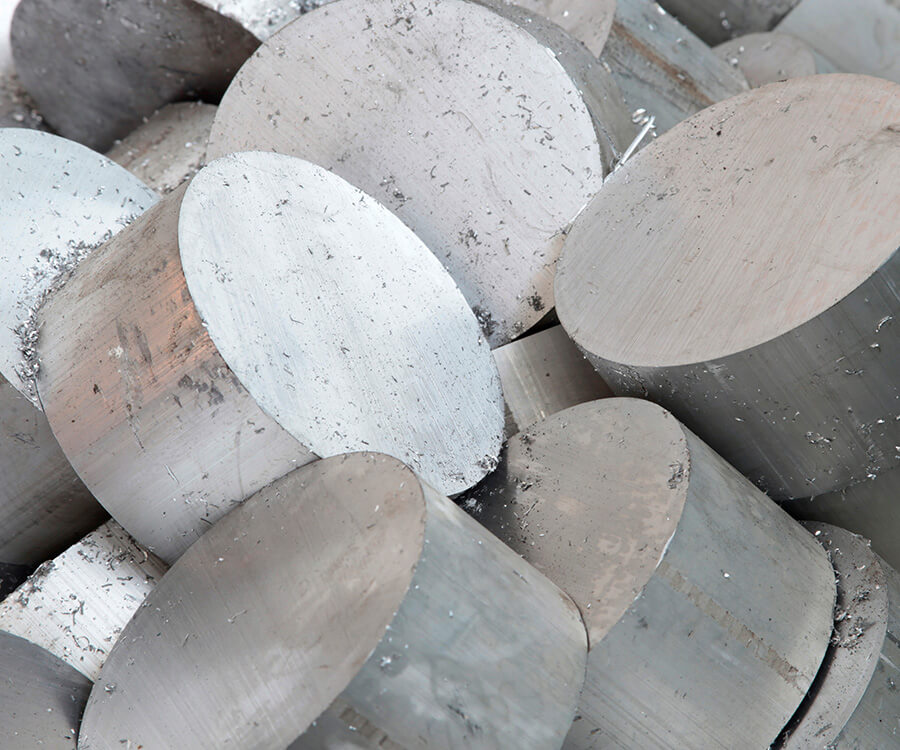
Precision Machining Capabilities for 1018 Steel Bar Components
Wuxi Lead Precision Machinery delivers exceptional value in custom 1018 low-carbon steel bar fabrication, leveraging advanced technology to meet the stringent demands of high-performance industrial applications. Our core strength lies in transforming standard 1018 steel stock into mission-critical components with unparalleled dimensional accuracy and surface integrity. This material’s excellent machinability, weldability, and cost-effectiveness make it ideal for precision shafts, pins, brackets, and structural elements across aerospace, automation, and energy sectors. We address the critical challenge of maintaining tight tolerances on this relatively soft material through optimized processes and rigorous quality control.
Our dedicated fleet of state-of-the-art 5-axis CNC machining centers forms the backbone of this capability. These machines perform complex, simultaneous multi-axis operations in a single setup, eliminating cumulative errors inherent in multi-stage processing. This is particularly vital for intricate 1018 steel geometries requiring precise hole patterns, contoured surfaces, or undercuts. Advanced high-speed spindles and rigid construction ensure minimal deflection during deep drilling or heavy milling on 1018 bar stock, directly contributing to superior part consistency and extended tool life. The integrated probing systems on these machines enable real-time in-process verification, automatically compensating for minor material variations or thermal drift, a critical factor when machining large 1018 bar sections.
Comprehensive quality assurance is non-negotiable. Every critical dimension on finished 1018 steel components undergoes meticulous verification using calibrated Coordinate Measuring Machines (CMMs), primarily Zeiss and Mitutoyo systems. Our AS9100-certified inspection protocols include full first-article inspection (FAI) reports and batch sampling plans aligned with customer-specific requirements. CMM inspection provides definitive metrological evidence of geometric dimensioning and tolerancing (GD&T) compliance, including complex profile, position, and runout specifications. This data-driven approach ensures traceability and provides actionable feedback for continuous process refinement, guaranteeing that every component shipped meets the exacting standards demanded by Tier-1 suppliers and OEMs.
The achievable precision for machined 1018 steel bar components is demonstrable through our standard and premium tolerance offerings, as detailed below. These values represent our typical production capability under controlled conditions for features machined in a single setup on our 5-axis platforms, verified by CMM.
| Feature Type | Standard Tolerance (mm) | Premium Tolerance (mm) | Key Process Control |
|---|---|---|---|
| Linear Dimensions | ±0.010 | ±0.005 | In-process probing, thermal compensation |
| Hole Diameter (Drilled) | +0.025 / -0.000 | +0.010 / -0.000 | Coolant-through tools, optimized feeds/speeds |
| Hole Position (Ø) | ±0.025 | ±0.010 | Simultaneous 5-axis, CMM-verified fixture setup |
| Surface Roughness (Ra) | 1.6 µm | 0.8 µm | Precision toolpaths, specialized finishing cuts |
| True Position (Composite) | ±0.050 | ±0.025 | Full CMM GD&T analysis, datum referencing |
Partnering with Wuxi Lead ensures your 1018 steel bar components are manufactured with the repeatability and verifiable quality essential for integration into demanding assemblies. We translate the inherent advantages of 1018 steel into reliable, high-precision parts through integrated 5-axis machining and uncompromising CMM-based validation, directly supporting your production efficiency and end-product performance.
Material & Finish Options
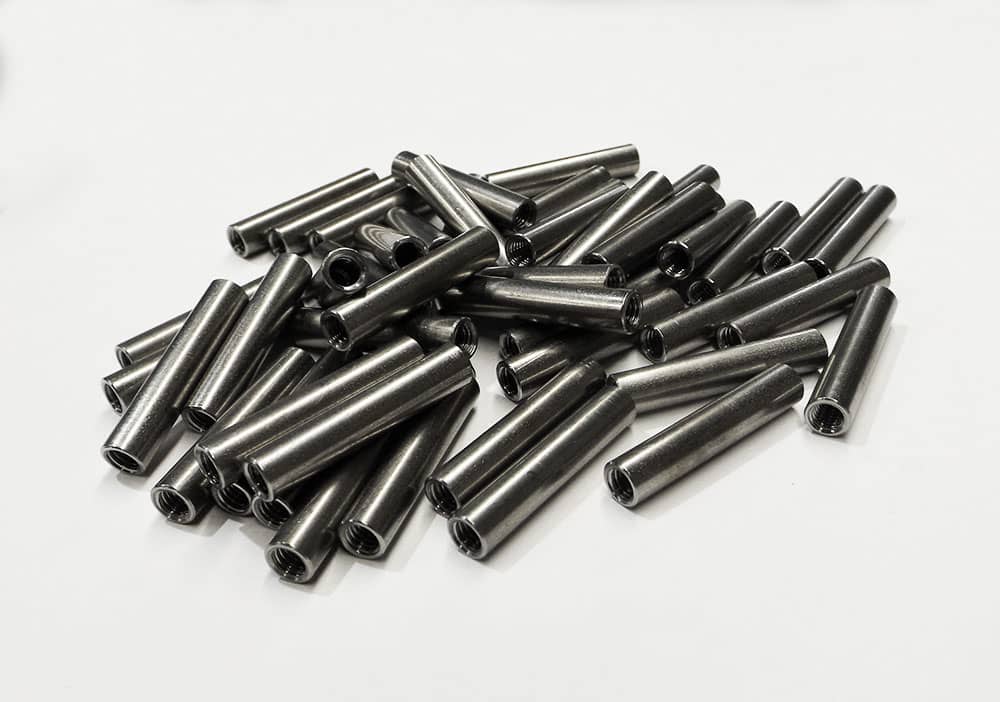
Material Selection Guide for Precision Manufacturing: 1018 Steel Bar and Alternatives
When selecting materials for custom metal manufacturing, understanding the mechanical properties, machinability, and finishing compatibility of each option is critical to achieving optimal performance and cost-efficiency. Among carbon steels, 1018 steel bar stands out as a widely used low-carbon steel offering excellent weldability, good machinability, and uniformity in composition. It is particularly well-suited for applications requiring moderate strength, such as shafts, pins, fixtures, and structural components in industrial machinery.
1018 steel contains approximately 0.18% carbon, contributing to its ductility and ease of cold working. Its low carbon content allows for effective case hardening, enhancing surface durability while maintaining a soft, tough core. This makes it ideal for parts that require a wear-resistant surface without sacrificing impact resistance. Additionally, 1018 steel responds well to tempering and stress-relieving processes, ensuring dimensional stability after machining.
While 1018 steel offers strong value for general engineering applications, alternative materials such as aluminum and titanium may be preferable depending on performance requirements. Aluminum alloys, particularly 6061 and 7049, provide high strength-to-weight ratios and excellent corrosion resistance, making them ideal for aerospace, transportation, and lightweight structural systems. Titanium, especially Grade 5 (Ti-6Al-4V), delivers exceptional strength, corrosion resistance, and performance at elevated temperatures—commonly used in medical implants, aerospace components, and high-performance automotive systems.
Finishing processes further influence material selection. Anodizing, for example, is a surface treatment exclusive to aluminum that enhances wear resistance, improves corrosion protection, and allows for color coding through dye integration. While steel components are typically protected via zinc plating, passivation, or powder coating, anodizing is not applicable due to the fundamental differences in oxide layer formation.
The following table outlines key mechanical and processing characteristics of common materials used in precision manufacturing:
| Material | Tensile Strength (MPa) | Yield Strength (MPa) | Hardness (HB) | Density (g/cm³) | Machinability Rating | Common Finishes |
|---|---|---|---|---|---|---|
| 1018 Steel | 440 | 370 | 126 | 7.87 | 70% | Zinc plating, paint, powder coat |
| Aluminum 6061 | 310 | 276 | 95 | 2.70 | 90% | Anodizing, bead blasting, paint |
| Titanium Ti-6Al-4V | 900 | 830 | 360 | 4.43 | 30% | Passivation, grit blasting |
At Wuxi Lead Precision Machinery, we support clients in selecting the optimal material and finish based on functional requirements, environmental exposure, and production volume. Our expertise in CNC machining and quality control ensures that every component—whether made from 1018 steel, aluminum, or titanium—meets exacting industry standards. Partner with us to leverage advanced manufacturing capabilities and material science insight for your next precision project.
Manufacturing Process & QC
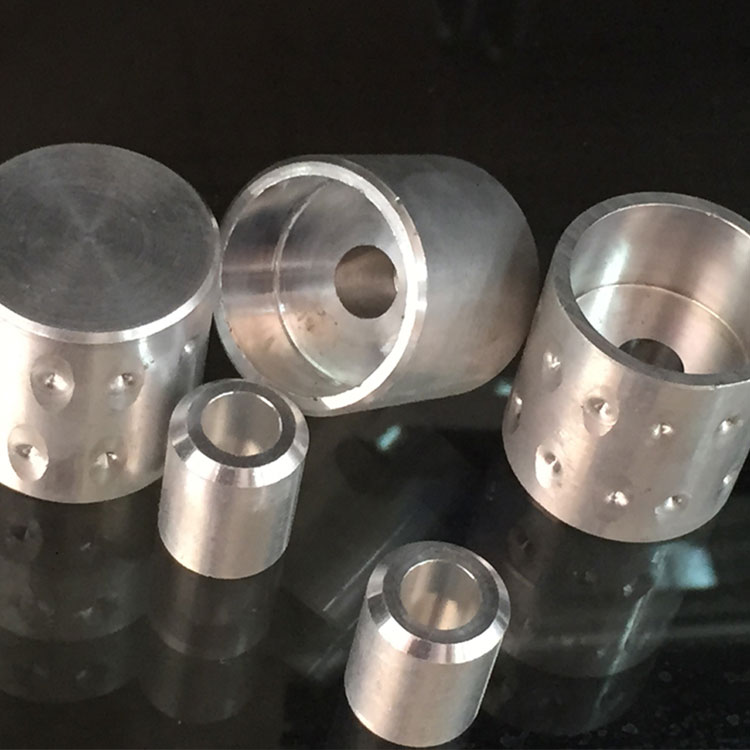
Precision Manufacturing Process for 1018 Steel Bar Components
At Wuxi Lead Precision Machinery, our production process for custom 1018 steel bar components is engineered to eliminate defects before they occur. Starting with Design Phase, we integrate advanced CAD/CAM simulation with rigorous Design for Manufacturability (DFM) analysis. Our engineers collaborate directly with clients to optimize geometry, minimize material waste, and preempt stress points inherent in 1018 steel’s low-carbon composition. Finite Element Analysis (FEA) validates structural integrity under load, ensuring the design accommodates the material’s 44,000 PSI tensile strength while avoiding chatter or deformation during machining. This phase reduces downstream rework by up to 70% through virtual prototyping.
The Prototyping Phase transforms validated designs into physical benchmarks. We employ high-speed CNC turning centers with sub-micron tooling to machine initial prototypes from certified 1018 steel billets. Each prototype undergoes destructive and non-destructive testing: Rockwell hardness verification (B62-B74), dimensional metrology via CMM, and surface roughness analysis (Ra ≤ 0.8 µm). Critical tolerances are stress-tested against ISO 2768-mK standards. Client feedback triggers immediate design iterations, with our team resolving discrepancies within 72 hours. This phase confirms process stability and material behavior, preventing mass production deviations.
Zero-Defect Mass Production leverages closed-loop automation and real-time SPC (Statistical Process Control). Our CNC fleet—equipped with Renishaw probes and AI-driven tool wear compensation—maintains tolerances within ±0.0005 inches. Every bar is traceable via laser-etched batch codes, with in-process inspections at 50-part intervals. Automated vision systems scan for surface imperfections, while ultrasonic testing detects subsurface inclusions. Any parameter drift (e.g., hardness variance beyond ASTM A29 specs) triggers instant machine recalibration. Final inspection includes 100% dimensional validation and batch-certified material test reports (MTRs), guaranteeing compliance with ISO 9001:2015. This system achieves a defect rate below 12 PPM—3x tighter than industry averages.
Key production specifications for 1018 steel bar components are maintained as follows:
| Parameter | Wuxi Lead Standard | Industry Typical | Test Method |
|---|---|---|---|
| Tolerance (Ø) | ±0.0005 in | ±0.002 in | ISO 2768-mK |
| Surface Roughness | Ra 0.4 µm | Ra 1.6 µm | ISO 4287 |
| Hardness Range | B65-B72 | B62-B74 | ASTM E18 |
| Concentricity | ≤0.0008 in | ≤0.003 in | ASME Y14.5 |
| Material Traceability | Full MTR + Batch Code | Batch MTR only | ASTM A29 |
This integrated approach transforms 1018 steel’s inherent machinability into a competitive advantage for clients. By embedding quality at every stage—from virtual design validation to AI-monitored production—we deliver components that meet aerospace, medical, and automation sector demands without compromise. Partner with Wuxi Lead to convert your specifications into flawless reality.
Why Choose Wuxi Lead Precision
When sourcing high-quality 1018 steel bars for precision manufacturing applications, partnering with an experienced and technically advanced supplier is essential. At Wuxi Lead Precision Machinery, we specialize in delivering custom metal manufacturing solutions that meet the exacting standards of aerospace, automotive, industrial equipment, and automation industries. Our expertise in material science, CNC machining, and quality assurance ensures that every 1018 steel component we produce or supply performs reliably under real-world conditions.
1018 steel is a low-carbon, general-purpose steel known for its excellent machinability, weldability, and surface finish characteristics. It is widely used in shafts, pins, fixtures, and structural components where moderate strength and high dimensional stability are required. At Lead Precision, we go beyond standard supply—we offer value-added services including precision cutting, turning, milling, and custom heat treatment to ensure your 1018 steel bars arrive ready for immediate integration into your production process.
Our manufacturing facility in Wuxi, China, is equipped with state-of-the-art CNC lathes, milling centers, and metrology equipment, allowing us to maintain tight tolerances and consistent quality across large production runs. Every batch of 1018 steel is traceable, inspected for chemical composition and mechanical properties, and certified to meet international standards such as ASTM A29 and AISI 1018.
We understand that no two manufacturing requirements are identical. That’s why we offer fully customizable solutions—from bar diameter and length to surface finish and packaging. Whether you need 1-meter lengths cut to ±0.1 mm tolerance or large-volume orders with custom labeling, our engineering team works closely with you to deliver exactly what your project demands.
Partnering with Wuxi Lead Precision Machinery means gaining a reliable, responsive, and technically capable manufacturing ally. We combine Chinese manufacturing efficiency with Western engineering standards, ensuring competitive pricing without compromising on quality or service.
For technical inquiries, custom quotes, or material certifications, contact us today at [email protected]. Our team of CNC engineers and metallurgical specialists is ready to support your next project with precision, professionalism, and prompt communication.
Below are the typical mechanical and chemical properties of AISI 1018 steel we supply:
| Property | Value |
|---|---|
| Material Standard | AISI 1018, ASTM A29 |
| Carbon Content | 0.15–0.20% |
| Manganese Content | 0.60–0.90% |
| Tensile Strength | 440 MPa (63.8 ksi) |
| Yield Strength | 370 MPa (53.7 ksi) |
| Elongation at Break | 15% (in 2 in) |
| Hardness (Brinell) | 126 HB |
| Machinability Rating | 72% (relative to AISI 1212) |
| Form | Round bar, custom cut lengths |
| Diameter Range | 5 mm – 300 mm |
| Tolerance | As per ISO 286-2 (custom options available) |
Let Wuxi Lead Precision Machinery be your trusted partner in precision metal manufacturing. Contact us at [email protected] to discuss your 1018 steel bar requirements and discover how we can help you achieve greater efficiency, consistency, and performance in your production line.
⚙️ Precision Cost Estimator
Estimate relative manufacturing effort based on tolerance.